 5 months ago
Introduction
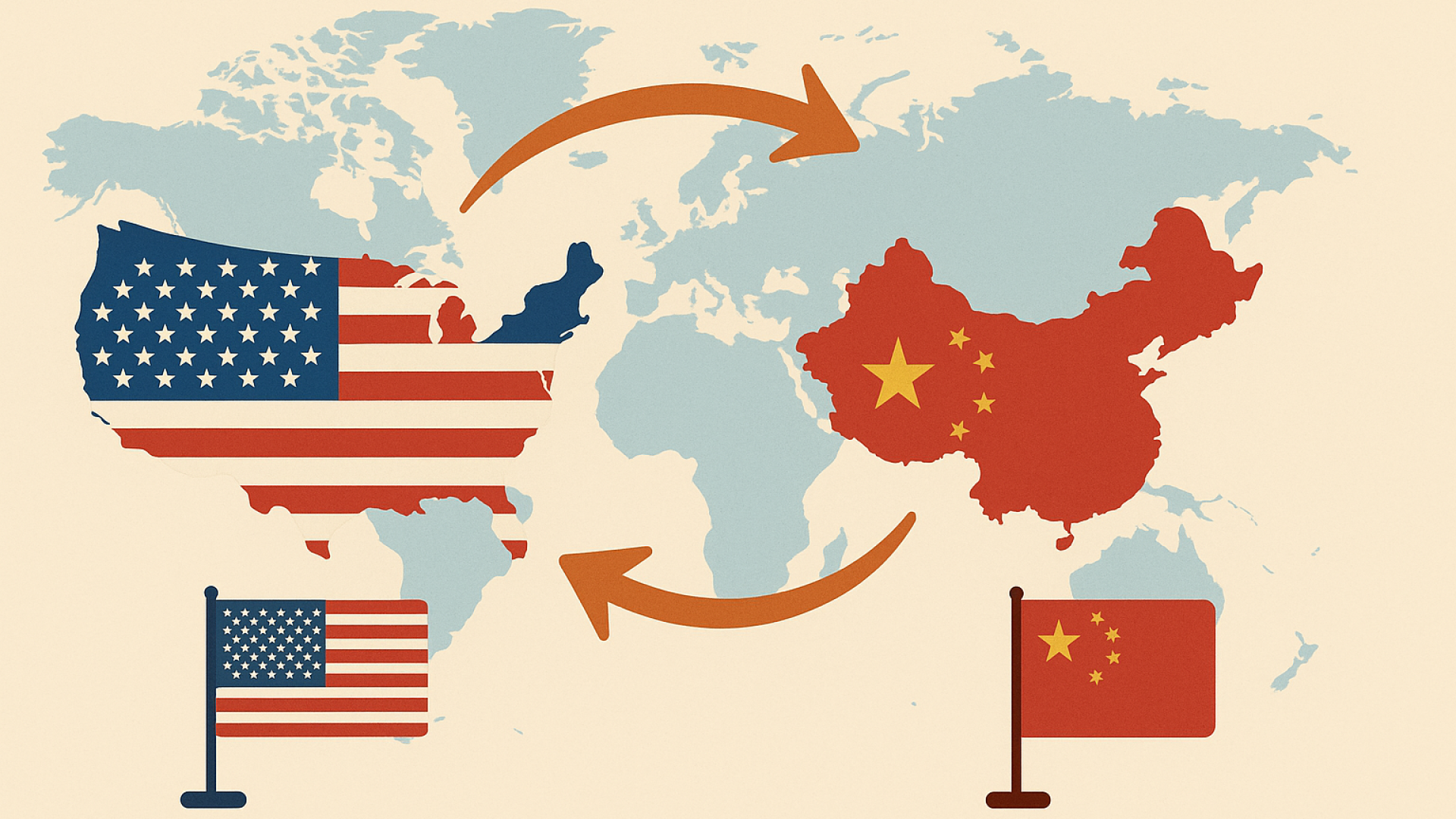
In recent years, the geopolitical landscape has undergone profound and multifaceted transformations, particularly in the relationships between the United States and its traditional allies. A recent poll conducted in early 2026 highlights a notable and growing shift: many US allies are increasingly leaning toward closer diplomatic, economic, and strategic ties with Beijing. This development underscores the enduring influence of the Trump administration's foreign policy and raises important questions about the future of global alliances, power dynamics, and international stability.
Understanding this shift requires a comprehensive examination of the factors that have driven allies to reconsider their longstanding partnerships with the United States and explore deeper engagement with China. This article provides an in-depth analysis of the Trump era's foreign policy, the poll's findings, the core reasons behind this realignment, and the potential implications for global politics and security.
Context: The Trump Administration's Foreign Policy and Its Impact
During Donald Trump's presidency from 2017 to 2021, US foreign policy took a markedly different approach compared to previous administrations. Characterized by an "America First" doctrine, the Trump era saw a significant recalibration of diplomatic priorities, trade agreements, and military commitments. This approach often strained relationships with longstanding allies in Europe, Asia, and beyond, leading to uncertainty and recalibration in global alliances.
Key elements of the Trump administration's foreign policy included:
- Withdrawal from Multilateral Agreements: The administration withdrew from several key international agreements, including the Trans-Pacific Partnership (TPP), the Paris Climate Accord, and the Iran Nuclear Deal (JCPOA). These moves signaled a retreat from multilateralism and a preference for bilateral negotiations.
- Trade Policies and Tariffs: The imposition of tariffs and trade barriers, particularly targeting China but also affecting traditional allies such as Canada, the European Union, and Mexico, disrupted established economic relationships and created tensions within allied networks.
- Pressure on NATO and Defense Spending: The Trump administration publicly pressured NATO members to increase their defense spending, often accompanied by sharp rhetoric and criticism. This approach sowed doubts about the US commitment to collective defense.
- Unpredictable Diplomatic Engagements: The administration's unconventional diplomatic style included direct talks with North Korea's Kim Jong-un and fluctuating stances on Middle East conflicts, which added layers of unpredictability to US foreign relations.
These policies contributed to a perception among US allies that the United States was retreating from its traditional leadership role on the global stage. The uncertainty and transactional nature of the Trump administration's approach prompted many allies to reconsider their strategic partnerships and explore alternative avenues to safeguard their national interests.
The Poll: Evidence of Shifting Alliances
The recent poll, conducted by a reputable international research organization specializing in geopolitical analysis, surveyed government officials, business leaders, and policy experts across multiple US allied countries in Europe, Asia, and Oceania. The survey aimed to gauge attitudes toward the United States and China in the context of evolving global power dynamics.
The findings reveal a growing inclination among these allies to diversify their diplomatic and economic relationships, with a particular emphasis on enhancing cooperation with China. This trend reflects a pragmatic response to the changing international environment and the perceived need to hedge against uncertainties in US foreign policy.
Highlights from the poll include:
- Economic Engagement: Over 60% of respondents from European and Asian allied nations expressed a desire to strengthen economic ties with Beijing, citing China's expanding market and investment opportunities as key motivators.
- Skepticism Toward US Commitments: More than half of the respondents indicated skepticism about the reliability of US commitments in future geopolitical conflicts, reflecting concerns about the consistency and predictability of American foreign policy.
- Attraction to China's Initiatives: A significant portion of respondents cited China's Belt and Road Initiative (BRI) and technological advancements, such as leadership in 5G and artificial intelligence, as compelling reasons for closer engagement.
- Strategic Diversification: Many allies view closer ties with China as a strategic hedge to balance US influence and mitigate risks associated with overreliance on a single global power.
These results suggest that the Trump administration's policies have had a lasting impact, encouraging allies to adopt a more multipolar approach to their foreign relations by cultivating stronger relationships with China alongside their traditional ties to the United States.
Core Reasons Behind the Shift
Several interrelated factors contribute to this realignment of alliances and partnerships:
- Perceived US Unpredictability and Transactional Diplomacy: The abrupt policy shifts, public criticisms of allies, and a transactional approach to diplomacy under the Trump administration led to uncertainty about America's long-term strategic intentions. Allies questioned whether the US would uphold its commitments in times of crisis.
- Economic Opportunities and Market Access: China's rapidly expanding economy and ambitious infrastructure projects, particularly through the Belt and Road Initiative, offer tangible benefits that many allies find attractive. Access to Chinese markets and investment capital is seen as essential for economic growth and competitiveness.
- Technological Leadership and Innovation: China's advancements in cutting-edge technologies such as 5G telecommunications, artificial intelligence, renewable energy, and digital infrastructure position it as a key partner for future innovation and economic development.
- Geopolitical Realities and Regional Security Concerns: In Asia, Europe, and beyond, regional security challenges—including North Korea's nuclear program, Russian assertiveness, and instability in the Middle East—have prompted allies to seek diversified partnerships to mitigate risks and avoid overdependence on any single power.
- Desire for Strategic Autonomy: Many US allies are increasingly interested in asserting greater strategic autonomy, balancing their relationships with both the United States and China to maximize their national interests and avoid being forced to choose sides in great power competition.
Potential Implications for Global Politics
This shift toward closer ties with Beijing among US allies carries broad and complex implications for the international system:
- Redefinition of Alliances and Multipolarity: Traditional alliances may evolve into more complex, multipolar relationships rather than clear-cut partnerships. This could lead to a more fluid and less predictable global order where states navigate competing influences.
- Challenges to US Influence and Leadership: The United States may face diminished leverage in international negotiations, security arrangements, and global governance institutions as allies diversify their partnerships and seek alternatives to US dominance.
- Economic Competition and Trade Dynamics: Increased collaboration with China could intensify competition in global markets, affecting trade policies, standards, and supply chains. This may also lead to the emergence of competing economic blocs.
- Security and Intelligence Concerns: Closer ties with China might complicate intelligence sharing, military cooperation, and joint defense initiatives among US allies, potentially undermining collective security frameworks such as NATO and regional security pacts.
- Impact on Global Norms and Values: The growing influence of China, with its distinct governance model and approach to human rights, may challenge the promotion of democratic values and international norms traditionally championed by the United States and its allies.
Possible Solutions and Strategic Responses
To address these challenges and adapt to the evolving geopolitical environment, several approaches could be considered by the United States and its allies:
- Rebuilding Trust Through Consistent and Transparent Diplomacy: The US government can prioritize steady, predictable, and transparent diplomatic engagement to reassure allies of its long-term commitments and reliability as a partner.
- Renewed Engagement in Multilateralism: Rejoining and actively participating in international agreements and organizations can strengthen collective security, economic cooperation, and global governance frameworks, helping to rebuild confidence among allies.
- Investing in Innovation and Joint Technology Initiatives: Collaborating with allies on cutting-edge technology, infrastructure projects, and research can counterbalance China's growing influence and foster shared economic growth.
- Flexible and Nuanced Partnerships: Embracing a more nuanced approach that acknowledges allies' interests in engaging with multiple powers can help maintain strong relationships while respecting their strategic autonomy.
- Addressing Economic Concerns: Developing fair trade policies and investment frameworks that provide alternatives to Chinese economic initiatives can help allies diversify their economic partnerships without compromising their values.
Conclusion
The poll's findings illuminate a significant geopolitical trend: the Trump era's foreign policy has catalyzed a shift among US allies toward closer ties with Beijing. This realignment reflects broader changes in global power structures, economic interdependencies, and strategic calculations. It underscores the need for adaptive and forward-looking strategies in international relations.
Moving forward, the United States faces the critical challenge of reaffirming its role as a reliable and indispensable partner while navigating an increasingly multipolar world. How Washington responds to these evolving dynamics will shape the future of global alliances, the balance of power, and the international order for years to come. Maintaining strong, cooperative relationships with allies while constructively engaging with China will be essential to promoting global stability, prosperity, and peace in the decades ahead.