 4 months ago
Introduction
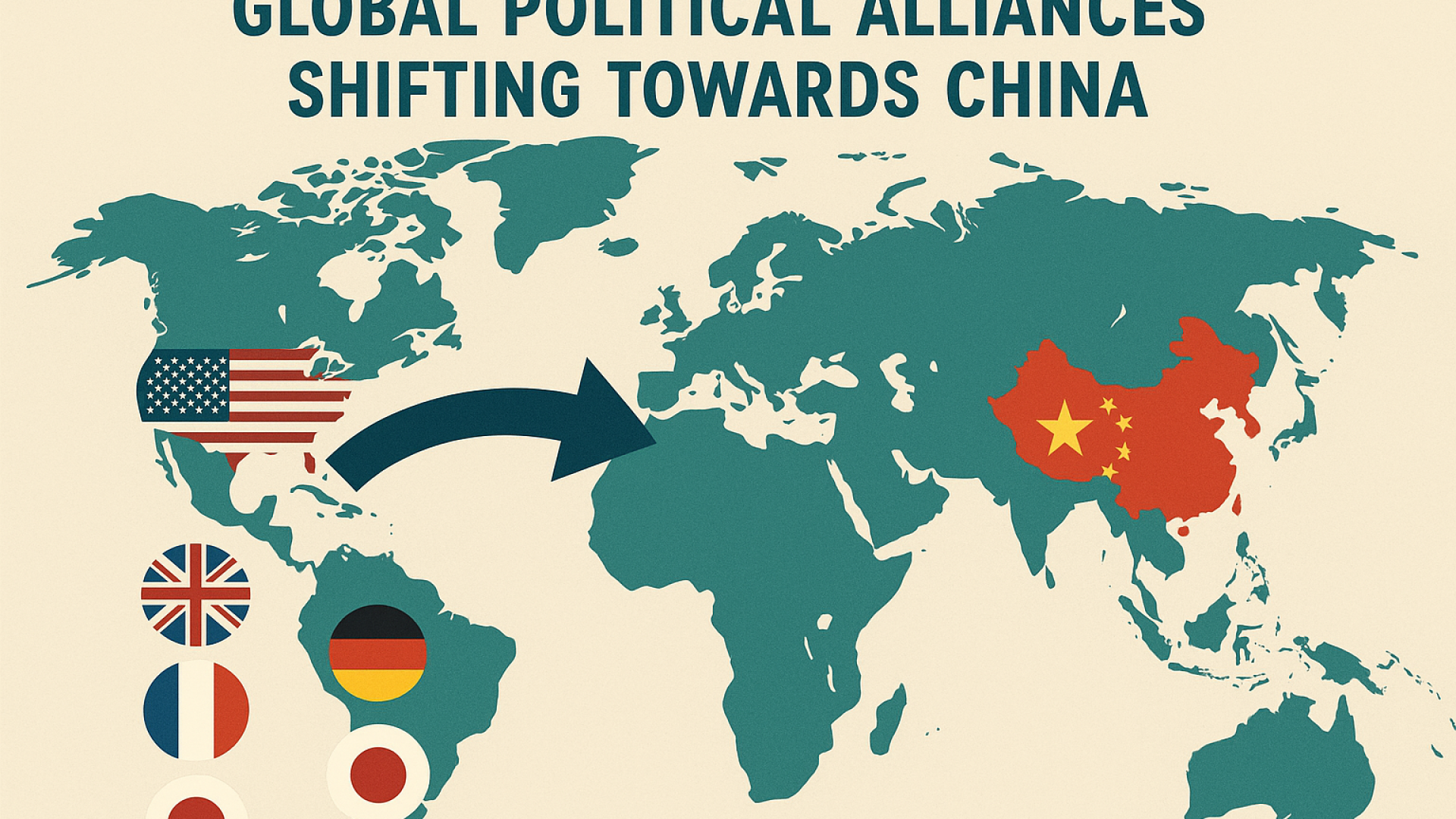
In recent years, the geopolitical landscape has witnessed notable shifts, particularly in the relationships between the United States and its traditional allies. A recent poll conducted in early 2026 highlights a growing trend: many US allies are moving closer to China, signaling a potential realignment in global alliances. This development is widely attributed to the policies and diplomatic approach during the Trump administration, which altered the dynamics of US foreign relations in profound and lasting ways.
Understanding this shift requires a comprehensive examination of the historical context, the specific policies that influenced allied perceptions, and the broader implications for international relations. This article delves deeply into these aspects, providing an in-depth analysis of how the Trump era reshaped alliances and what this means for the future of global diplomacy.
Context: The Trump Administration’s Impact on US Alliances
During Donald Trump’s presidency from 2017 to 2021, US foreign policy underwent a significant transformation characterized by a transactional and often unilateral approach. The administration’s "America First" doctrine prioritized national interests in a way that frequently challenged established diplomatic norms and multilateral agreements.
One of the most notable impacts was the strain placed on relationships with long-standing allies in Europe, Asia, and other regions. The administration’s withdrawal from key international agreements, such as the Paris Climate Accord and the Iran Nuclear Deal, created uncertainty about the US’s commitment to global cooperation. Additionally, Trump’s criticism of NATO members for not meeting defense spending targets sowed discord within the alliance, raising questions about the reliability of US security guarantees.
Trade policies further complicated relations. The administration imposed tariffs on imports from allies including Canada, the European Union, and Japan, sparking retaliatory measures and trade tensions. These actions disrupted established economic partnerships and contributed to a perception among allies that the US was an unpredictable partner.
Consequently, many US allies began reassessing their strategic and economic options. The uncertainty surrounding American commitments prompted a search for alternative partnerships that could provide stability and growth. China, with its rapidly expanding economy, ambitious infrastructure projects like the Belt and Road Initiative, and increasing diplomatic outreach, emerged as a compelling alternative for many countries seeking to diversify their international relationships.
Core Findings of the Poll
The poll referenced in this analysis was conducted by a reputable international research firm specializing in geopolitical trends. It surveyed a broad spectrum of stakeholders, including government officials, business leaders, and policy experts across multiple US allied nations in Europe, Asia, and beyond. The findings reveal a nuanced and multifaceted shift in attitudes toward China and the US.
- Increased Favorability Toward China: Over 60% of respondents indicated a more favorable view of China compared to five years ago. This marks a significant change in perception, reflecting China's growing influence and the perceived benefits of closer engagement.
- Economic Considerations: Many allies cited China’s role as a major trading partner and investor as a primary reason for strengthening ties. The integration into Chinese-led economic frameworks and access to Chinese markets are seen as critical drivers of this trend.
- Security Concerns: While traditional security alliances with the US remain important, there is a growing desire among allies to diversify partnerships. This diversification aims to reduce overreliance on a single superpower and enhance strategic autonomy.
- Diplomatic Engagement: Several countries reported increased diplomatic exchanges and cooperation initiatives with Beijing since 2020, indicating a deliberate effort to deepen bilateral and multilateral ties.
These findings underscore a complex recalibration of international relationships, where economic pragmatism and strategic considerations intersect.
Implications of the Shift Toward Beijing
The realignment of US allies toward closer ties with China carries profound implications across multiple dimensions of global politics, economics, and security.
- Strategic Balance: A closer relationship between US allies and China could significantly alter the strategic balance of power. In regions such as the Indo-Pacific and Europe, where US influence has traditionally been strong, increased Chinese engagement may challenge American dominance and reshape regional security architectures.
- Economic Integration: Enhanced economic ties with China may lead to deeper integration into Chinese-led trade frameworks, such as the Regional Comprehensive Economic Partnership (RCEP) and the Belt and Road Initiative. This integration could affect global supply chains, market dynamics, and the economic leverage of the US.
- Security Architecture: Allies diversifying their security partnerships might prompt the emergence of new multilateral arrangements or adjustments within existing alliances like NATO and the Quad. This could lead to more complex security dynamics and necessitate new forms of cooperation and coordination.
- Diplomatic Complexity: The US may face increased diplomatic challenges in coordinating policies among allies with differing priorities and varying degrees of engagement with China. This complexity could complicate efforts to present a unified front on issues such as trade, human rights, and regional security.
Challenges and Risks
Despite the observable trend toward closer ties with Beijing, several challenges and risks temper this shift.
- US Response: The Biden administration and subsequent US governments have recognized the need to reaffirm commitments to allies and rebuild trust. However, repairing relationships strained during the Trump era requires sustained diplomatic effort, consistent policy engagement, and tangible demonstrations of reliability.
- China’s Ambitions: While economic ties with China offer clear benefits, many allies remain cautious about Beijing’s geopolitical ambitions, including territorial disputes and influence operations. Additionally, concerns about China’s human rights record and governance model continue to influence policy debates.
- Internal Divisions: Not all US allies are moving uniformly toward Beijing. Some countries maintain strong, traditional ties with the US, creating a fragmented alliance landscape that complicates collective decision-making and strategy formulation.
- Global Stability: The intensifying competition between the US and China, coupled with shifting alliances, raises the risk of miscalculations and heightened tensions. This environment could undermine global stability and increase the likelihood of conflict in contested regions.
Potential Solutions and Future Outlook
Addressing these evolving dynamics requires thoughtful and multifaceted approaches from all stakeholders involved.
- Rebuilding Trust: The US must engage in sustained diplomacy, reaffirm its commitments to allies, and offer tangible benefits that reinforce the value of the alliance. This includes addressing allies’ economic and security concerns transparently and collaboratively.
- Multilateral Cooperation: Strengthening multilateral institutions and frameworks can help manage competition between major powers and foster cooperation on global challenges such as climate change, pandemics, and cyber security.
- Balanced Engagement: Allies may pursue a balanced approach that maintains strong ties with the US while engaging China pragmatically. This strategy aims to maximize economic and strategic benefits while minimizing risks associated with overdependence on any single power.
- Addressing Underlying Issues: Tackling trade imbalances, security concerns, and human rights issues through open dialogue and transparent policies can help stabilize relationships and reduce tensions.
Looking ahead, the geopolitical landscape is likely to remain fluid and complex. The US and its allies face the challenge of navigating an environment where economic interests, security concerns, and values intersect in intricate ways. How these actors manage their relationships with China will significantly shape the global order in the coming decades, influencing peace, prosperity, and stability worldwide.
Conclusion
The poll’s findings underscore a significant shift in international relations, reflecting the lasting impact of the Trump administration’s policies on US alliances. While the move toward closer ties with Beijing presents opportunities for economic growth and diversification, it also introduces complexities and risks that require careful management. The future of global alliances will depend on the ability of the US, its allies, and China to engage constructively and balance competing interests in a rapidly changing world. Navigating this new geopolitical reality demands strategic foresight, diplomatic agility, and a commitment to multilateralism to ensure a stable and prosperous international order.