 5 months ago
Introduction
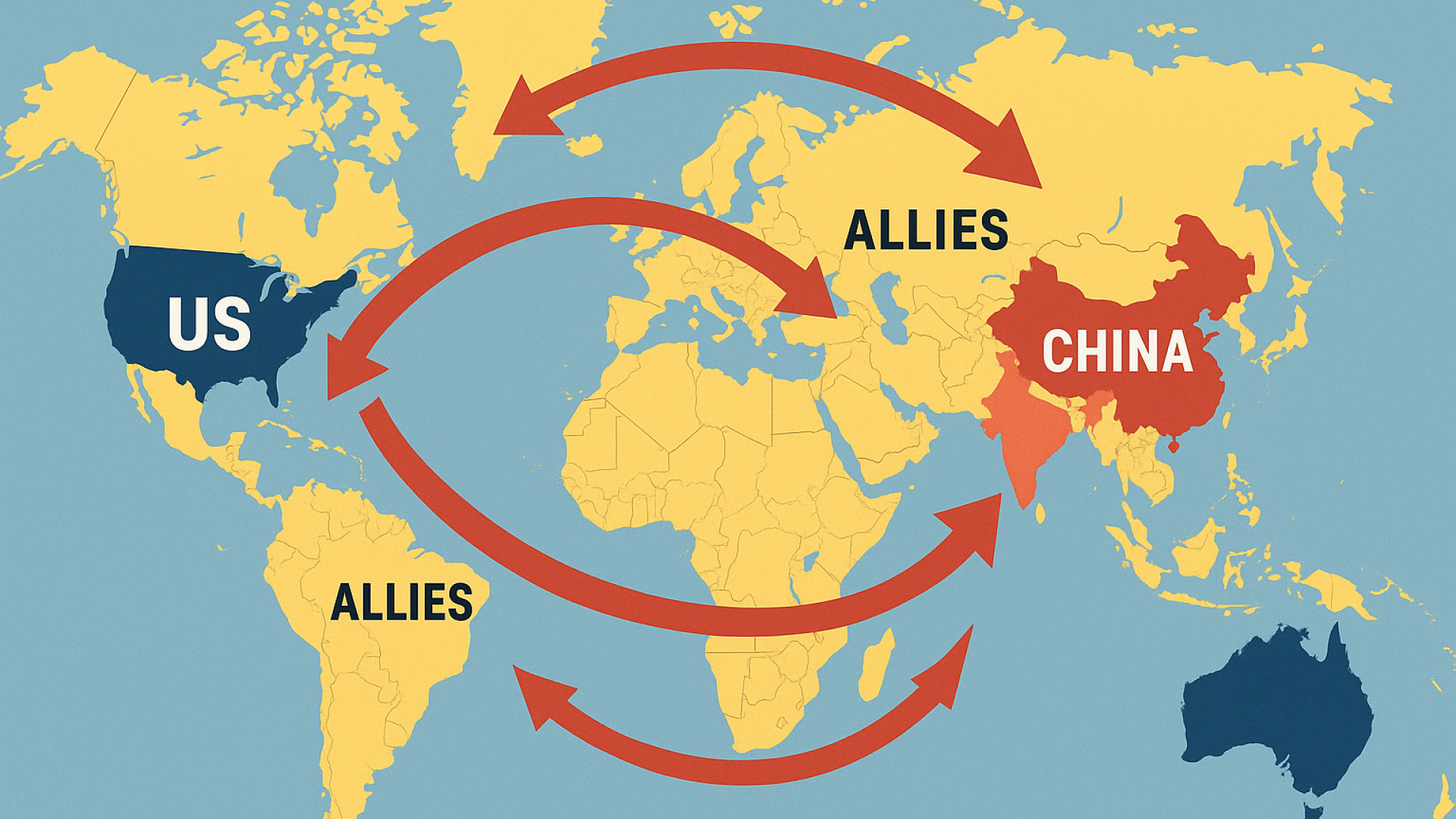
In the evolving landscape of global geopolitics, the legacy of the Trump administration continues to influence international relations, particularly between the United States and its traditional allies. A recent poll highlights a significant shift: many US allies are moving closer to Beijing, recalibrating their foreign policies in response to the changes initiated during the Trump era. This article explores the context, core reasons, implications, and potential solutions to this geopolitical realignment, offering a comprehensive understanding of how these shifts are reshaping the global order.
Context: The Trump Administration's Foreign Policy Approach
Donald Trump's presidency marked a notable departure from conventional US foreign policy norms. His administration adopted an "America First" stance, emphasizing unilateralism, skepticism toward multinational agreements, and a transactional approach to alliances. This shift unsettled many traditional US allies in Europe, Asia, and beyond, who had long relied on the United States as a stable security and economic partner. The unpredictability and perceived retrenchment of US commitments during this period led to a reevaluation of strategic partnerships worldwide.
Several key policies and actions contributed to this shift in international dynamics:
- Withdrawal from International Agreements: The Trump administration pulled the US out of major global accords such as the Paris Climate Accord and the Iran Nuclear Deal. These moves signaled a retreat from multilateralism and raised concerns among allies about the US's reliability as a partner in addressing global challenges.
- Trade Policies and Tariffs: The imposition of tariffs and trade restrictions, particularly targeting China but also affecting traditional allies, disrupted established economic relationships. These measures introduced uncertainty and economic friction, prompting allies to seek alternative partnerships to safeguard their economic interests.
- Questioning NATO and Defense Spending: President Trump openly questioned the value of NATO, demanding increased defense spending from member countries. This approach strained transatlantic relations and sowed doubts about the US's commitment to collective security.
- Unpredictable Diplomatic Engagements: The administration's fluctuating stances on critical issues such as North Korea's denuclearization and Middle East peace efforts added layers of uncertainty, complicating allies' strategic calculations.
Collectively, these policies created an environment of uncertainty and prompted many US allies to reconsider their strategic dependencies and explore alternative partnerships, notably with China.
Core Reasons for the Shift Toward Beijing
The poll indicating closer ties between US allies and China reflects several underlying factors that go beyond mere reaction to US policy changes. These factors are rooted in broader economic, strategic, technological, and diplomatic considerations:
- Economic Interdependence: China’s emergence as a global manufacturing powerhouse and a vast consumer market has deepened economic ties with many countries. For US allies seeking sustained economic growth and stability, engagement with Beijing has become essential. China's Belt and Road Initiative (BRI) further extends economic connectivity, offering infrastructure investments and trade opportunities that are attractive to many nations.
- Strategic Autonomy: The unpredictability of US foreign policy during the Trump era has heightened allies' desire to diversify their international partnerships. By cultivating closer ties with China, these countries aim to reduce overreliance on any single power, thereby enhancing their strategic autonomy and flexibility in an increasingly multipolar world.
- Technological Collaboration: China’s rapid advancements in cutting-edge technologies, including 5G telecommunications, artificial intelligence, and renewable energy, present opportunities that some allies are eager to explore. Despite US warnings about potential security risks, the allure of technological innovation and access to Chinese markets motivates closer cooperation.
- Diplomatic Engagement: Beijing’s proactive diplomacy and investment initiatives provide alternatives to traditional Western-led frameworks. Through forums like the Asian Infrastructure Investment Bank (AIIB) and the BRI, China offers new avenues for international cooperation, which many allies find appealing amid perceived US disengagement.
These factors combined have encouraged allies to pursue a more balanced foreign policy, engaging both Washington and Beijing to maximize their national interests in a complex global environment.
Implications of the Realignment
The shift toward closer ties with China carries multifaceted implications that affect geopolitical balance, security, economic competition, and diplomatic relations:
- Geopolitical Balance: The traditional US-led international order faces significant challenges as China’s influence grows. This realignment has the potential to reshape global power structures, leading to a more multipolar world where US dominance is contested by a rising China and its expanding network of partners.
- Security Concerns: Closer economic and technological ties with China raise complex questions about intelligence sharing, cybersecurity, and military cooperation among US allies. The integration of Chinese technology in critical infrastructure, for example, has sparked debates about vulnerabilities and espionage risks, complicating alliance cohesion.
- Economic Competition: Allies must navigate intricate trade-offs between benefiting from Chinese markets and adhering to US-led economic policies, including sanctions and export controls. This balancing act can create tensions within alliances and challenge the effectiveness of coordinated economic strategies.
- Diplomatic Complexity: Managing relationships with both Washington and Beijing requires nuanced diplomacy. Allies face the risk of miscalculations and escalating tensions as they attempt to maintain favorable ties with two competing superpowers, each with divergent interests and expectations.
These implications underscore the complexity of the current geopolitical environment and the challenges faced by US allies in charting their foreign policy courses.
Potential Solutions and Strategic Responses
Addressing this realignment demands thoughtful and coordinated strategies from the United States and its allies to restore balance and stability in international relations:
- Rebuilding Trust: The US can reaffirm its commitments to alliances through consistent policies, transparent communication, and renewed multilateral engagement. Demonstrating reliability and predictability is essential to restoring confidence among allies and countering the appeal of alternative partnerships.
- Economic Cooperation: Developing inclusive and competitive trade agreements that offer viable alternatives to Chinese initiatives can help retain allied economic partnerships. Initiatives such as the Indo-Pacific Economic Framework (IPEF) aim to strengthen economic ties and promote shared standards among like-minded countries.
- Technological Collaboration: Investing in joint research and development with allies can reduce dependence on Chinese technology and bolster collective innovation. Collaborative efforts in emerging technologies can enhance security and economic competitiveness while fostering deeper alliance integration.
- Diplomatic Dialogue: Establishing forums for open and continuous dialogue among allies and with China can mitigate misunderstandings and foster stability. Constructive engagement helps manage competition and identify areas for cooperation, reducing the risk of conflict escalation.
These approaches aim to balance competition with cooperation, ensuring a stable and resilient international order that accommodates the interests of all major players.
Conclusion
The Trump administration’s foreign policy has left a lasting impact on global alliances, prompting many US allies to deepen their engagement with Beijing. This shift reflects broader trends of economic interdependence, strategic recalibration, and technological opportunity that transcend any single administration’s policies. Navigating this complex landscape demands renewed US leadership, collaborative strategies, and diplomatic finesse to maintain a balanced and peaceful international environment. As the world approaches 2026, the evolving dynamics between Washington, its allies, and Beijing will continue to shape the future of global geopolitics, requiring adaptability and vision from all stakeholders involved.