 4 months ago
Introduction
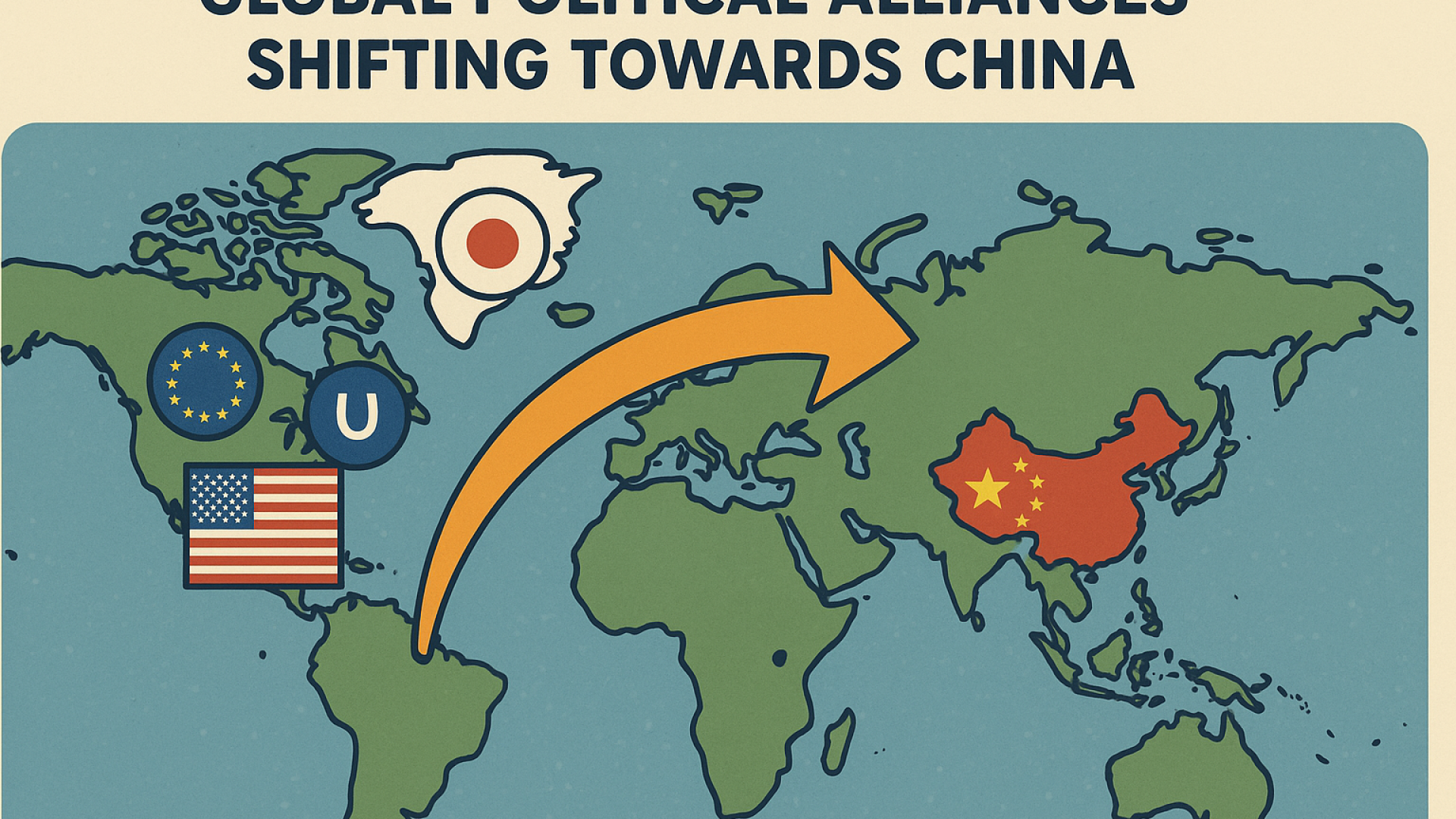
In recent years, the geopolitical landscape has undergone significant transformations, particularly in the relationships between the United States and its traditional allies. A recent poll conducted in early 2026 highlights a notable trend: many US allies are increasingly gravitating toward closer ties with Beijing. This shift, analysts suggest, is largely influenced by the policies and diplomatic approaches adopted during the Trump administration. Understanding this dynamic is crucial for policymakers, businesses, and international observers as it shapes the future of global alliances and economic partnerships.
The evolving global order, marked by the rise of China as a major economic and military power, has created a complex environment where traditional alliances are being reassessed. The United States, long considered the cornerstone of Western security and economic cooperation, faces challenges in maintaining its influence amid shifting priorities and perceptions among its allies. This article delves into the factors driving this realignment, the implications for international relations, and potential pathways to address the emerging challenges.
Context: The Trump Administration's Impact on US Alliances
During Donald Trump's presidency from 2017 to 2021, US foreign policy took a markedly different approach compared to previous administrations. Trump's "America First" doctrine emphasized unilateralism, skepticism toward multilateral agreements, and a transactional view of alliances. This approach led to strained relations with several long-standing US allies in Europe, Asia, and the Middle East.
Key moments that contributed to this strain included the US withdrawal from the Trans-Pacific Partnership (TPP), criticism of NATO members for insufficient defense spending, and unpredictable trade policies including tariffs on allies. These actions created uncertainty and prompted many allied nations to reconsider their strategic options. The withdrawal from the TPP, in particular, was seen as a retreat from economic leadership in the Asia-Pacific region, opening the door for China to expand its influence through initiatives like the Belt and Road Initiative.
Moreover, the administration's approach to international agreements such as the Paris Climate Accord and the Iran Nuclear Deal further alienated allies who viewed these pacts as essential to global stability and cooperation. The perceived unpredictability and transactional nature of US diplomacy during this period eroded trust and raised questions about the reliability of the United States as a partner.
These developments occurred against a backdrop of rising geopolitical competition with China, making the management of alliances even more critical. Allies faced a dilemma: how to balance their historical ties with the US against the growing economic and strategic influence of China, especially as the US appeared less committed to multilateralism and collective security frameworks.
Core Analysis: Why Allies Are Turning Toward Beijing
The poll results indicate that a growing number of US allies are seeking to diversify their diplomatic and economic partnerships, with China emerging as a prominent alternative. Several factors contribute to this trend:
- Economic Opportunities: China's Belt and Road Initiative (BRI) and its expansive trade networks offer lucrative infrastructure investments and market access that many allies find attractive. The BRI, launched in 2013, has connected over 140 countries through a vast network of roads, ports, railways, and energy projects, providing tangible benefits to participating nations. For many allies, especially those in developing regions, engagement with China presents opportunities for economic growth and modernization that may not be as readily available through traditional Western channels.
- Diplomatic Stability: Beijing's consistent messaging and long-term strategic planning contrast with the perceived unpredictability of US foreign policy during the Trump years. China's approach emphasizes continuity and incremental progress, which appeals to countries seeking reliable partners. This steadiness is particularly valued in regions where political and economic volatility is high, and where sudden shifts in US policy have created uncertainty.
- Technological Advancements: China's rapid progress in technology sectors such as 5G, artificial intelligence, and renewable energy presents opportunities for collaboration and growth. Chinese companies like Huawei and Tencent have become global leaders, offering cutting-edge technologies and investment in research and development. For allies looking to advance their technological capabilities, partnerships with China can provide access to innovation and capital.
- Regional Security Considerations: Some allies in Asia and the Middle East are balancing US influence with China's rising power to maintain regional stability and avoid overdependence on a single partner. This balancing act reflects a pragmatic approach to security, where nations seek to hedge their bets amid great power competition. For example, countries in Southeast Asia have engaged with both the US and China to secure economic benefits while managing territorial disputes and security concerns.
However, this shift is not without complications. Many US allies remain wary of China's human rights record, intellectual property practices, and assertive military posture in contested regions like the South China Sea. Concerns about transparency, governance standards, and the potential for debt dependency through BRI projects also temper enthusiasm for closer ties. These issues highlight the complex calculus allies must navigate as they weigh the benefits and risks of deeper engagement with Beijing.
Furthermore, the COVID-19 pandemic has added another layer of complexity. China's early handling of the outbreak and its subsequent vaccine diplomacy have influenced perceptions globally. While some allies have welcomed Chinese assistance, others have criticized Beijing for lack of transparency and information sharing, affecting trust levels.
Potential Solutions and Strategic Responses
To address these evolving dynamics, several strategies could be employed by the United States and its allies:
- Rebuilding Trust Through Consistent Diplomacy: The US can reaffirm its commitment to alliances by engaging in transparent, predictable, and collaborative foreign policy efforts. This includes honoring treaty obligations, participating actively in multilateral forums, and communicating clear strategic intentions. Restoring confidence requires sustained engagement and a willingness to listen to allies' concerns and priorities.
- Enhancing Economic Partnerships: Initiatives that promote fair trade, technology sharing, and infrastructure investment can counterbalance China's economic appeal. Programs such as the Build Back Better World (B3W) initiative aim to provide alternatives to the BRI by focusing on sustainable development and high standards. Encouraging private sector involvement and fostering innovation partnerships can also strengthen economic ties.
- Multilateral Cooperation: Strengthening international institutions and agreements can provide a platform for collective security and economic growth. Revitalizing organizations like NATO, the G7, and the World Trade Organization can help coordinate responses to global challenges and present a united front. Multilateralism offers a framework for managing competition with China while upholding shared values and norms.
- Addressing Global Challenges Together: Cooperation on climate change, pandemics, and cybersecurity can build goodwill and shared purpose among allies. Joint initiatives in these areas demonstrate the benefits of collaboration and reinforce the relevance of alliances beyond traditional security concerns. By leading efforts on global issues, the US and its allies can reaffirm their leadership role and attract partners.
Furthermore, allies themselves can pursue a balanced approach, maintaining strong ties with both the US and China while safeguarding their national interests and values. This requires nuanced diplomacy, strategic autonomy, and the ability to navigate competing pressures. Regional forums and bilateral dialogues can facilitate this balancing act, allowing countries to maximize benefits while minimizing risks.
It is also essential to address the underlying causes of the shift toward Beijing by understanding allies' economic and security needs. Tailored policies that recognize diverse regional contexts and priorities will be more effective than one-size-fits-all approaches. Engaging in capacity-building, supporting good governance, and promoting inclusive development can strengthen resilience against coercive practices.
Conclusion
The poll revealing a shift of US allies toward closer ties with Beijing underscores the profound impact of the Trump administration's foreign policy on global alliances. While economic and strategic incentives drive this trend, it also presents challenges and opportunities for all parties involved. Moving forward, a nuanced and collaborative approach will be essential to navigate the complexities of 21st-century geopolitics, ensuring stability, prosperity, and mutual respect among nations.
As the international community adapts to these changes, continuous dialogue, strategic foresight, and commitment to shared values will determine the future trajectory of US alliances and their relationship with China. The United States faces a critical juncture: to reaffirm its role as a reliable partner and leader or risk further erosion of its influence amid rising multipolarity.
Ultimately, the evolving dynamics between the US, its allies, and China reflect broader shifts in global power and the challenges of managing competition in an interconnected world. By embracing cooperation where possible and managing rivalry responsibly, the international community can work toward a more stable and prosperous future.