 4 months ago
Introduction
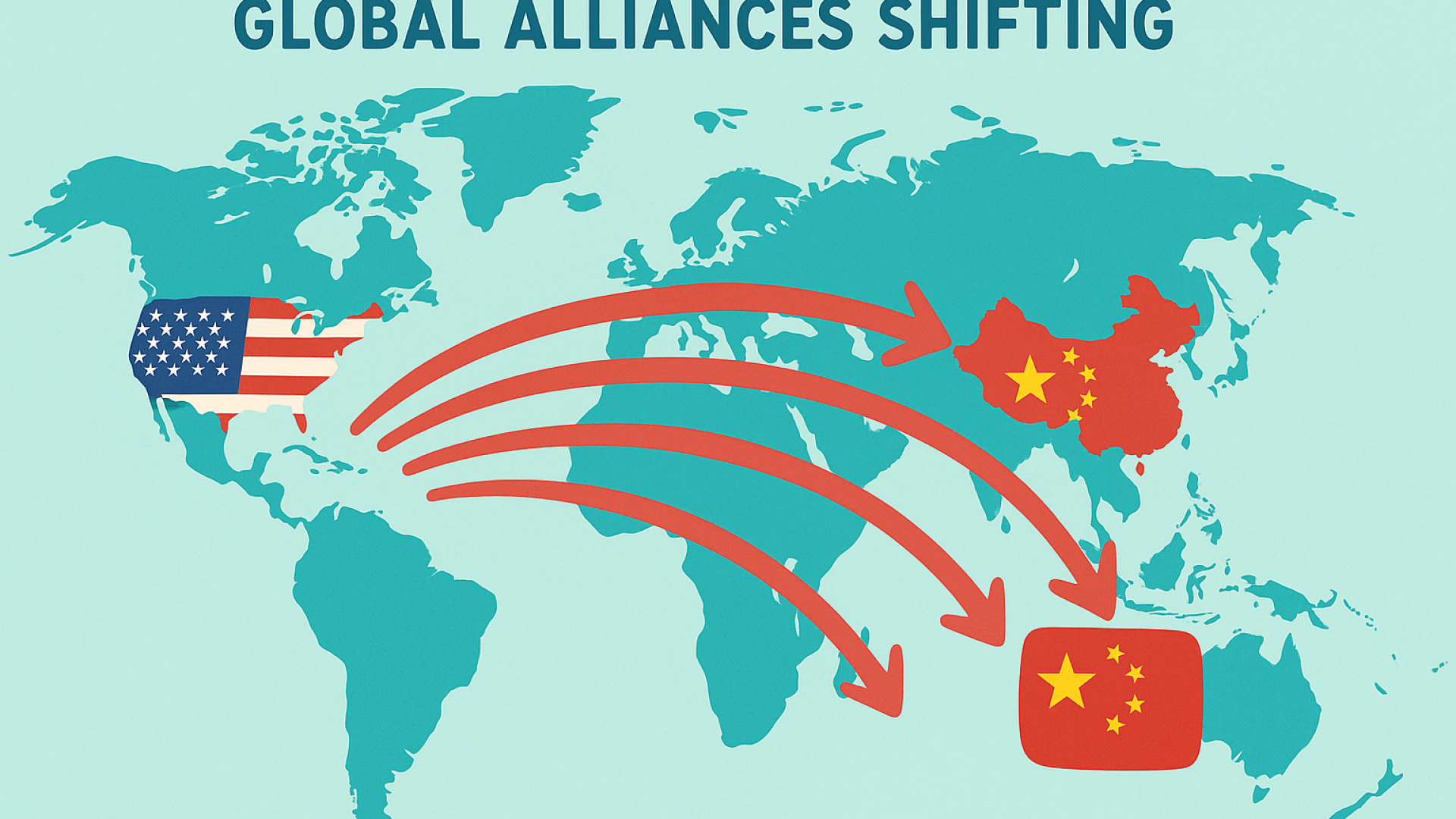
As the world approaches the mid-2020s, the geopolitical landscape continues to evolve in response to past and present political decisions. One of the most significant shifts observed in recent years is the changing nature of alliances between the United States and its traditional partners. A recent poll highlights a growing trend among US allies to strengthen ties with Beijing, a development largely attributed to the policies and rhetoric during the Trump administration. This article delves into the context, core reasons, consequences, and potential solutions related to this realignment in global diplomacy.
Context: The Trump Administration’s Impact on US Foreign Relations
Donald Trump’s presidency, spanning from 2017 to 2021, was marked by a distinct approach to foreign policy that departed from previous administrations. His "America First" doctrine emphasized national sovereignty, economic protectionism, and skepticism toward multilateral institutions. While this approach resonated with certain domestic constituencies, it also created friction with longstanding allies.
Key elements of Trump-era foreign policy that influenced global alliances include:
- Trade Wars and Tariffs: The imposition of tariffs on allies such as Canada, the European Union, and Mexico strained economic relationships and sowed distrust. These tariffs disrupted established supply chains and increased costs for businesses and consumers alike, leading to retaliatory measures that further complicated diplomatic ties.
- Withdrawal from International Agreements: The US exited the Paris Climate Accord, the Iran Nuclear Deal, and the Trans-Pacific Partnership, signaling a retreat from global cooperative frameworks. These withdrawals not only diminished US leadership on critical global issues but also left allies questioning America's commitment to shared goals and multilateralism.
- Unpredictable Diplomacy: Erratic communication and policy reversals created uncertainty among allies regarding US commitments. The lack of consistent messaging and sudden shifts in stance on key issues undermined trust and made it difficult for partners to plan long-term strategies in coordination with the US.
- Pressure on NATO Allies: Demands for increased defense spending and questioning the alliance’s value led to tensions within NATO. While encouraging allies to contribute more to collective defense is a reasonable expectation, the confrontational tone and public criticisms strained relationships and raised doubts about the US's dedication to mutual security.
These factors collectively contributed to a perception among US allies that the United States was a less reliable partner, prompting them to explore alternative partnerships and diversify their foreign relations.
Core Reasons Behind the Shift Toward Beijing
China’s rise as a global economic and political power has been a defining feature of the 21st century. The Trump administration’s policies inadvertently accelerated some allies’ pivot toward Beijing for several reasons:
- Economic Opportunities: China’s Belt and Road Initiative (BRI) and expansive trade networks offer lucrative infrastructure investments and market access, appealing to countries seeking growth. Many developing and developed nations alike have found Chinese financing and trade partnerships attractive, especially when Western alternatives appeared uncertain or conditional.
- Diplomatic Stability: Compared to the unpredictability of US policies during the Trump years, China presented a more consistent and pragmatic partner. Beijing’s long-term strategic planning and steady diplomatic messaging provided a sense of reliability that some allies found reassuring amid global uncertainties.
- Technological Collaboration: Chinese advancements in 5G, artificial intelligence, and renewable energy attracted interest from countries aiming to modernize their economies. Partnerships with Chinese tech firms offered access to cutting-edge technologies and infrastructure, sometimes at more competitive terms than Western counterparts.
- Geopolitical Calculations: Some allies sought to balance US influence by engaging with China to diversify their strategic options. This hedging strategy allowed countries to avoid overdependence on any single power and to maximize their diplomatic leverage in a multipolar world.
These motivations have led to a nuanced recalibration of alliances, with some countries deepening economic and diplomatic ties with Beijing while maintaining formal commitments to the US. This dual engagement reflects the complexity of contemporary international relations, where states navigate competing interests and seek to optimize their national benefits.
Impacts of the Realignment on Global Politics
The shift in alliances has broad implications for international relations, security, and economic stability:
- Weakened US Influence: Reduced cohesion among traditional allies diminishes the United States’ ability to coordinate collective responses to global challenges such as climate change, pandemics, and security threats. Fragmented alliances complicate the formulation of unified policies and reduce the effectiveness of diplomatic initiatives.
- Enhanced Chinese Soft Power: China’s growing presence in international institutions and bilateral agreements increases its sway over global governance norms. Through initiatives like the Asian Infrastructure Investment Bank (AIIB) and active participation in the United Nations, China is shaping international standards and narratives to reflect its interests and values.
- Security Concerns: Divergent alliances complicate efforts to address regional conflicts, cybersecurity threats, and military tensions. For example, differing stances on issues such as the South China Sea disputes or North Korea’s nuclear program create challenges for coordinated security strategies among US allies.
- Economic Competition: The emergence of competing trade blocs and standards may fragment global markets and supply chains. Divergent regulatory frameworks and technological standards can increase costs and reduce interoperability, affecting global commerce and innovation.
These dynamics underscore the complexity of maintaining a stable international order amid shifting loyalties and evolving power structures. The interplay between cooperation and competition among major powers will continue to shape the geopolitical environment for years to come.
Potential Solutions and Future Outlook
Addressing the challenges posed by this realignment requires strategic efforts from the United States and its allies:
- Rebuilding Trust: The US can prioritize consistent, transparent diplomacy and reaffirm commitments to multilateral institutions to restore confidence. Demonstrating reliability through sustained engagement and honoring international agreements will be crucial in mending strained relationships.
- Engaging Allies: Collaborative policy-making and shared leadership roles can strengthen partnerships and align interests. By involving allies in decision-making processes and respecting their perspectives, the US can foster a sense of ownership and mutual respect within alliances.
- Balancing Competition and Cooperation: Recognizing areas for constructive engagement with China while addressing security concerns can reduce tensions. Pursuing dialogue on global challenges such as climate change and public health, alongside firm stances on issues like human rights and territorial disputes, can create a more nuanced approach.
- Investing in Innovation: Enhancing technological and economic competitiveness will help maintain influence in critical sectors. Supporting research and development, infrastructure modernization, and workforce skills development will enable the US and its allies to lead in emerging industries.
Looking ahead, the trajectory of global alliances will depend on how effectively the US adapts its foreign policy to the evolving geopolitical environment and how allies navigate their strategic choices. Flexibility, foresight, and cooperation will be key to managing the complexities of a multipolar world.
Conclusion
The Trump era marked a pivotal moment in US foreign relations, catalyzing a shift among allies toward closer ties with Beijing. This realignment reflects a complex interplay of economic interests, diplomatic calculations, and security concerns. While the consequences pose challenges to the established international order, they also present opportunities for renewed engagement and strategic innovation. As the world moves forward, understanding and addressing these shifts will be crucial for fostering a stable and cooperative global community. The United States and its partners face the task of rebuilding trust, redefining alliances, and crafting policies that reflect the realities of contemporary geopolitics to ensure a peaceful and prosperous future.