 7 months ago
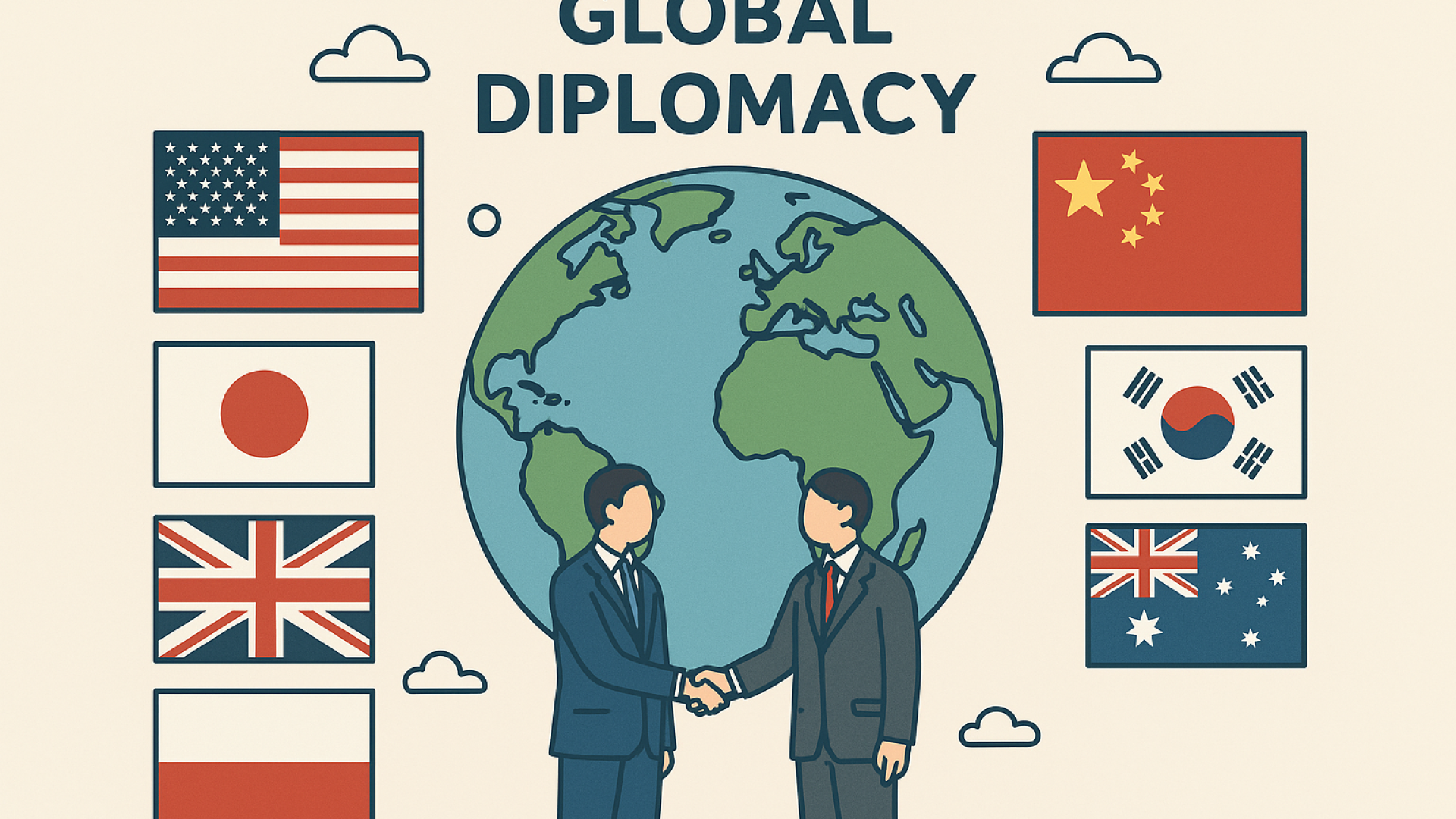
In the evolving landscape of international relations, the legacy of the Trump administration continues to influence the strategic calculations of the United States and its allies. A recent poll highlights a notable trend: many US allies are increasingly open to strengthening ties with Beijing, signaling a shift that could reshape global alliances and economic partnerships for years to come.
Context: The Trump Era and Its Impact on US Foreign Policy
During Donald Trump's presidency from 2017 to 2021, US foreign policy underwent significant changes characterized by a more confrontational stance toward China. The administration's approach included imposing trade tariffs on Chinese goods, ramping up diplomatic pressure, and focusing on countering China's growing influence in Asia and beyond. This period saw heightened tensions in areas such as trade disputes, technology competition, and military presence in the Indo-Pacific region, including increased US naval operations and support for Taiwan.
Trump's 'America First' doctrine also led to a reevaluation of traditional alliances. Some longstanding US allies perceived the United States as less predictable and more transactional, prompting them to reconsider their own foreign policy strategies. The administration's skepticism toward multilateral institutions and agreements, such as the Trans-Pacific Partnership (TPP) and NATO commitments, contributed to uncertainty among allies. This environment created openings for China to deepen its engagement with countries that had historically aligned closely with the US, leveraging economic incentives and diplomatic outreach to expand its global influence.
Core Analysis: Poll Findings and Their Implications
The recent poll, conducted among key US allies in Europe and Asia, reveals a growing willingness to pursue closer economic and diplomatic relationships with Beijing. Several factors contribute to this trend:
- Economic Incentives: China's Belt and Road Initiative (BRI) and its expanding consumer market offer attractive opportunities for trade, infrastructure investment, and technology partnerships. Countries seeking to diversify their economic partnerships and stimulate growth are increasingly drawn to these prospects, especially in the wake of disruptions caused by the COVID-19 pandemic.
- Strategic Autonomy: Many US allies are interested in balancing their relationships to avoid overdependence on any single power, including the United States. This desire for strategic autonomy reflects a pragmatic approach to international relations, where countries seek to maximize their national interests by engaging multiple major powers.
- Perceptions of US Reliability: The unpredictability observed during the Trump years, including abrupt policy shifts and inconsistent messaging, has led some allies to question the consistency of US commitments. Concerns about the durability of US support in security and economic matters have encouraged allies to hedge their bets by exploring alternative partnerships.
This shift does not necessarily indicate a wholesale abandonment of the US alliance system but suggests a more nuanced and multipolar approach to international relations. Allies are seeking to hedge their bets by engaging more deeply with China while maintaining ties with the United States, aiming to balance economic benefits with security considerations.
Challenges and Complexities
Despite the growing openness to Beijing, several challenges complicate this realignment:
- Security Concerns: Many US allies remain wary of China's military ambitions, including its assertiveness in the South China Sea and toward Taiwan, as well as its expanding cyber capabilities. Additionally, concerns about China's human rights record, including issues in Hong Kong and Xinjiang, temper enthusiasm for closer ties and raise ethical and political dilemmas.
- US Response: The Biden administration and subsequent US governments have sought to reassure allies through renewed diplomatic engagement, reaffirming commitments to collective defense and promoting multilateral initiatives such as the Quad and AUKUS. These efforts aim to counterbalance China's influence by strengthening partnerships and fostering cooperation on shared challenges.
- Global Economic Uncertainties: Trade disruptions, supply chain vulnerabilities exposed by the pandemic, and broader geopolitical risks continue to affect decision-making. Allies must weigh the benefits of economic engagement with China against potential dependencies and the risks of entanglement in great power competition.
Potential Solutions and Strategic Approaches
To navigate this complex environment, several strategies could be pursued:
- Strengthening Alliances: The United States can invest in rebuilding trust with allies through consistent policies, joint military exercises, intelligence sharing, and transparent communication. Demonstrating reliability and shared values is crucial to maintaining strong partnerships.
- Promoting Multilateralism: Encouraging cooperation in international institutions such as the United Nations, World Trade Organization, and regional forums can help manage competition and foster stability. Multilateral frameworks provide platforms for dialogue and conflict resolution.
- Economic Engagement: Developing alternative trade and investment frameworks that offer competitive benefits without compromising democratic values or security interests is essential. Initiatives like the Indo-Pacific Economic Framework (IPEF) aim to provide such options.
- Addressing Global Challenges Together: Collaborating on issues like climate change, health security, and technology standards can create common ground that transcends geopolitical rivalries. Joint efforts in these areas can build trust and demonstrate the benefits of cooperation.
Conclusion: A New Era of Diplomatic Balancing
The Trump era's impact on US foreign relations has catalyzed a significant recalibration among its allies, many of whom are exploring closer ties with Beijing. This trend reflects broader shifts toward a multipolar world where strategic flexibility and economic pragmatism guide national policies. The legacy of unpredictability and transactional diplomacy has encouraged allies to seek diversified partnerships to safeguard their interests.
For the United States, the challenge lies in reaffirming its leadership role by adapting to these changes, strengthening partnerships, and engaging constructively with both allies and competitors. This requires a balanced approach that combines firmness on core values and security concerns with openness to dialogue and cooperation. The future of global diplomacy will likely depend on the ability of all parties to balance interests, uphold shared values, and navigate the complexities of an interconnected world, ensuring peace, stability, and prosperity in an era defined by shifting alliances and emerging powers.