4 months ago
Introduction
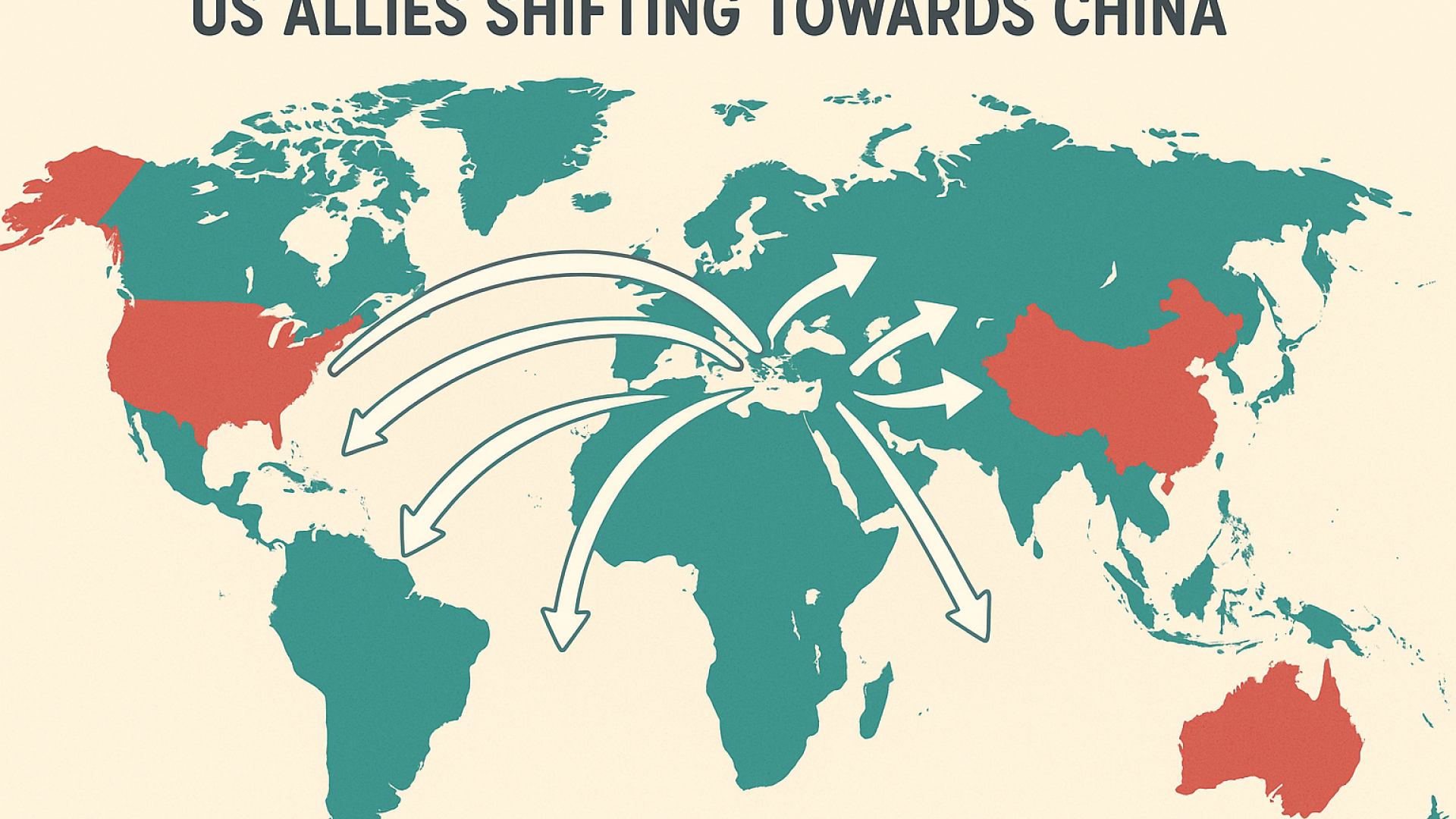
In recent years, the geopolitical landscape has undergone significant transformations, particularly in the realm of US foreign relations. A notable development has been the shift in alliances among US traditional partners, many of whom have gravitated closer to Beijing. This trend, emerging prominently during the Trump administration, has profound implications for global diplomacy, economic partnerships, and security dynamics. Understanding the roots and ramifications of this shift is essential for grasping the evolving nature of international relations in the 21st century.
Context: The Trump Era and Its Foreign Policy Approach
Donald Trump's presidency, spanning from 2017 to 2021, marked a departure from conventional US foreign policy norms. Characterized by an "America First" doctrine, the administration prioritized national interests, often at the expense of multilateral cooperation. This approach manifested in several ways that collectively altered the traditional fabric of US alliances and global engagement.
- Trade Wars and Tariffs: The Trump administration imposed tariffs on numerous countries, including key allies such as Canada, the European Union, and even close partners like South Korea. These measures aimed to reduce trade deficits and protect American industries but resulted in strained relationships and retaliatory tariffs that disrupted global supply chains.
- Questioning Alliances: Trump frequently criticized NATO members for not meeting defense spending commitments, creating friction within the alliance. His public skepticism about the value of longstanding security arrangements sowed doubt among allies regarding the US commitment to collective defense.
- Withdrawal from International Agreements: The US exited the Paris Climate Accord, the Iran Nuclear Deal (JCPOA), and the Trans-Pacific Partnership (TPP), signaling a retreat from collaborative global frameworks. These moves diminished US influence in shaping international norms and opened space for other powers to assert their agendas.
These policies collectively fostered uncertainty among US allies, prompting them to reconsider their strategic alignments. The perceived unpredictability and unilateralism of the Trump administration led many partners to explore alternative relationships to safeguard their interests.
Core Analysis: Why Allies Are Moving Closer to Beijing
Several interrelated factors explain why traditional US allies have sought closer ties with China during and after the Trump administration. This realignment is not merely a reaction to US policies but also reflects China's growing global influence and strategic initiatives.
1. Economic Incentives
China's rapid economic growth and its role as a global manufacturing hub make it an indispensable trade partner. Many countries found it pragmatic to deepen economic relations with Beijing to secure supply chains, investments, and market access. China's Belt and Road Initiative (BRI) has further expanded its economic footprint by financing infrastructure projects worldwide, offering tangible benefits to participating countries.
2. Diplomatic Reliability
US unpredictability under Trump led some allies to question America's commitment to mutual defense and cooperation. In contrast, China presented itself as a consistent partner, willing to engage through long-term initiatives and bilateral agreements. Beijing's emphasis on non-interference and economic pragmatism appealed to countries wary of political conditionalities often attached to Western aid and partnerships.
3. Regional Security Dynamics
In Asia and beyond, China's growing influence has reshaped security considerations. Some US allies, especially in the Indo-Pacific region, have balanced their security ties with Washington by engaging Beijing diplomatically to avoid antagonizing a powerful neighbor. This balancing act reflects a pragmatic approach to managing complex regional dynamics, including territorial disputes and economic dependencies.
4. Technological Collaboration
China's advancements in technology sectors such as 5G, artificial intelligence, and renewable energy have attracted partnerships and investments from countries seeking to modernize their infrastructure. Chinese tech giants like Huawei and ZTE have offered competitive alternatives to Western companies, prompting some nations to collaborate despite US warnings about security risks.
Case Studies of Shifting Alliances
Europe
Several European nations, including Germany, France, and Italy, have expanded economic and diplomatic engagement with China despite US pressure. The EU-China Comprehensive Agreement on Investment, although controversial, exemplifies this trend by aiming to improve market access and investment protections. European countries have also welcomed Chinese investments in critical infrastructure and technology sectors, reflecting a pragmatic approach to balancing economic interests with security concerns.
Asia-Pacific
Countries like Australia and South Korea have navigated a complex path, maintaining security ties with the US while increasing economic cooperation with China. Australia's recent trade negotiations with China, including the easing of tariffs on key exports, highlight this balancing act. Similarly, South Korea continues to rely on the US for defense while engaging China as its largest trading partner, illustrating the intricate interplay of economic and security considerations.
Middle East
Some Gulf states have diversified their partnerships, engaging China in infrastructure and energy projects, reflecting a broader strategy to hedge against regional uncertainties. China's growing presence in the Middle East, through investments and diplomatic outreach, offers these countries alternative avenues for economic development and political support amid shifting US policies and regional tensions.
Implications of the Shift
The realignment of alliances carries significant consequences for global politics, economics, and security.
- Strategic Competition: The US faces intensified competition with China for influence across multiple regions, requiring recalibrated diplomatic and military strategies. This rivalry extends beyond traditional arenas into technology, trade, and ideological spheres.
- Economic Interdependence: Increased economic ties with China create vulnerabilities, especially amid rising geopolitical tensions. Dependence on Chinese supply chains and markets exposes countries to potential coercion and economic disruption.
- Global Governance Challenges: Divergent approaches to governance, human rights, and international norms between the US-led and China-led blocs complicate multilateral cooperation. Issues such as cybersecurity, climate change, and pandemic response require collaboration that is increasingly difficult amid geopolitical rivalry.
Potential Solutions and Future Outlook
Addressing these challenges requires nuanced strategies that balance competition with cooperation and reaffirm commitments to global stability.
1. Rebuilding Trust with Allies
The US must reaffirm its commitments to alliances through consistent policies, increased defense cooperation, and engagement in multilateral institutions. Demonstrating reliability and shared values can restore confidence among partners and counterbalance China's growing influence.
2. Engaging China Constructively
While competition is inevitable, dialogue on shared global challenges such as climate change, pandemics, and nuclear non-proliferation can foster cooperation. Establishing clear communication channels and managing disputes responsibly are essential to preventing escalation.
3. Supporting Economic Diversification
Encouraging allies to diversify trade and investment partners can reduce overreliance on any single country, enhancing resilience against economic coercion. Promoting alternative supply chains and regional trade agreements can strengthen global economic stability.
4. Investing in Innovation and Infrastructure
To maintain leadership, the US and its allies should invest in emerging technologies and infrastructure modernization. Prioritizing research and development, digital infrastructure, and green energy can secure competitive advantages and foster sustainable growth.
Conclusion
The Trump administration's foreign policy approach catalyzed a significant realignment of global alliances, with many US partners moving closer to China. This shift reflects complex economic, diplomatic, and security considerations that transcend simple reactions to US policies. Navigating this evolving landscape demands strategic foresight, renewed alliances, and balanced engagement with China to ensure global stability and prosperity. As the international order continues to evolve, the ability of the US and its allies to adapt and collaborate will be critical in shaping the future of global governance.