 4 months ago
Introduction
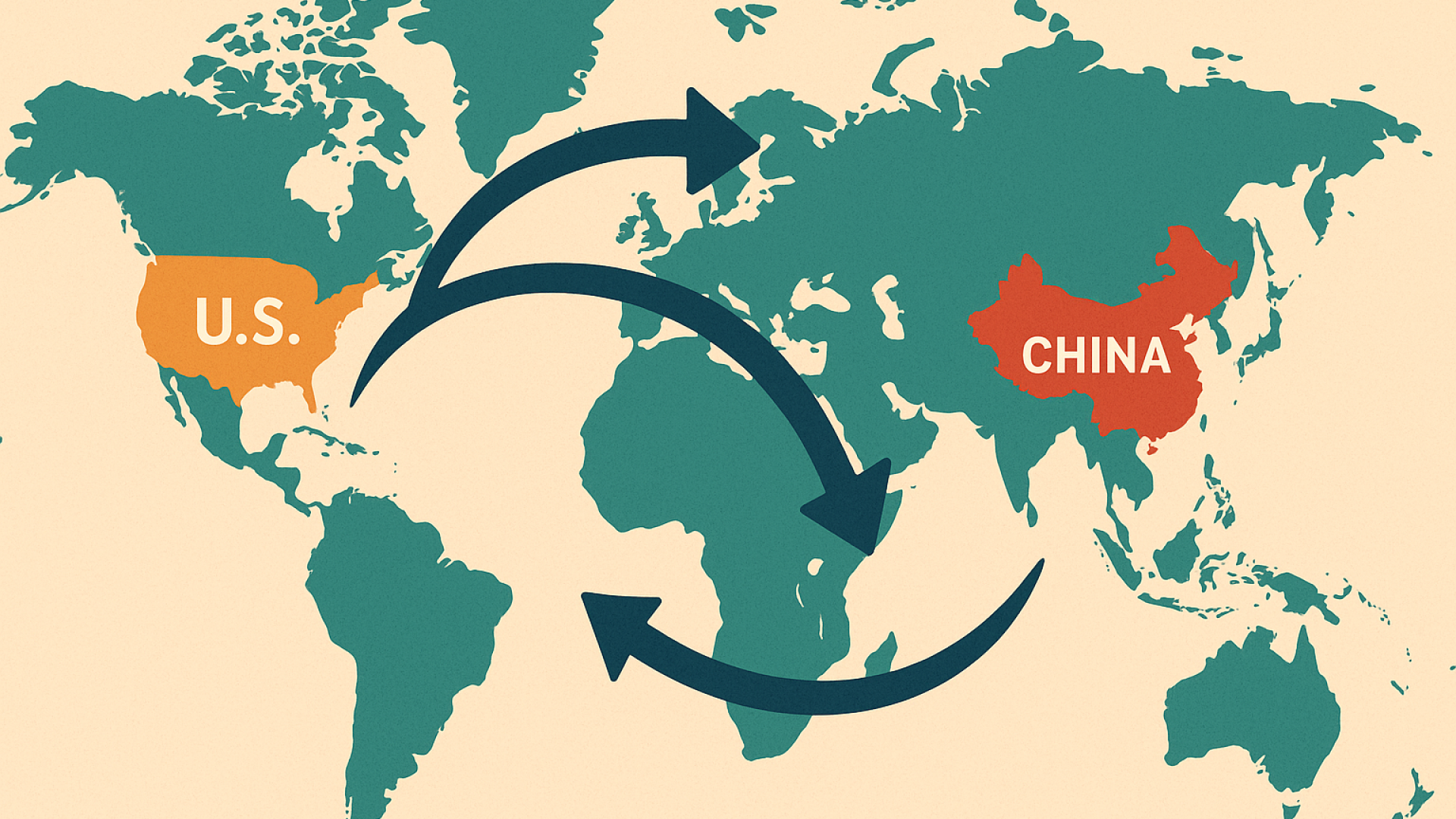
In the evolving landscape of global geopolitics, the legacy of the Trump administration continues to influence international relations well into 2026. A recent poll highlights a notable shift among traditional US allies, who have increasingly sought closer ties with Beijing. This development reflects broader strategic recalibrations driven by economic, political, and security considerations. Understanding the context and implications of this shift is crucial for policymakers, analysts, and the public alike.
Context: The Trump Era and Its Impact on US Alliances
Donald Trump's presidency from 2017 to 2021 was marked by an unconventional approach to foreign policy, characterized by an "America First" doctrine. This approach often translated into skepticism toward multilateral institutions and traditional alliances such as NATO and partnerships in the Asia-Pacific region. Trump's administration imposed tariffs on allies, questioned longstanding security commitments, and engaged in unpredictable diplomatic maneuvers that disrupted established norms.
These policies created significant uncertainty among US allies, prompting them to reconsider their strategic options. Countries that had long relied on the United States for security and economic partnership began exploring alternative relationships to safeguard their interests. China, with its expanding economic influence and assertive diplomacy, emerged as a viable partner for many, offering new avenues for trade, investment, and regional cooperation.
Moreover, the Trump administration's withdrawal from key international agreements, such as the Paris Climate Accord and the Iran Nuclear Deal, further fueled doubts about the US's reliability as a global partner. This unpredictability encouraged allies to hedge their bets by diversifying their diplomatic and economic engagements, often turning toward Beijing's growing global presence.
Core Analysis: Poll Findings and Their Significance
The recent poll, conducted by a reputable international research organization, surveyed policymakers, business leaders, and public opinion across key US allied nations in Europe, Asia, and the Middle East. The findings reveal a growing inclination toward strengthening ties with Beijing, driven by several interrelated factors:
- Economic Incentives: China's Belt and Road Initiative (BRI) and its role as a global manufacturing hub offer lucrative trade and investment opportunities. Allies facing economic challenges, including stagnating growth and supply chain vulnerabilities, see engagement with China as a pathway to economic revitalization and diversification. The BRI's infrastructure projects, spanning from Asia to Africa and Europe, provide tangible benefits that many countries find difficult to ignore.
- Security Reassessment: Some allies perceive a relative decline in US commitment to their defense, especially following Trump's transactional approach to alliances. This perception has led to increased interest in regional security arrangements involving China or adopting more neutral stances. For example, certain Southeast Asian nations have sought to balance their security partnerships between Washington and Beijing to avoid alienating either side while safeguarding their sovereignty.
- Technological Collaboration: China's advancements in technology, including 5G networks, artificial intelligence, and renewable energy technologies, attract partners seeking to remain competitive in a rapidly changing global economy. Collaborations in these sectors offer access to cutting-edge innovations and infrastructure development, which are critical for national development strategies.
- Diplomatic Pragmatism: Allies are adopting a more pragmatic stance, balancing their relationships with both the US and China to maximize benefits and minimize risks. This approach reflects a recognition that global power dynamics are shifting and that rigid alignments may no longer serve their national interests effectively.
These trends do not imply a wholesale abandonment of the US but rather a nuanced recalibration of foreign policy priorities among allied nations. Many countries continue to value their historical ties with the United States but are simultaneously seeking to hedge against uncertainties by engaging more deeply with China.
Challenges and Complexities
While the shift toward Beijing offers opportunities, it also presents significant challenges. Many US allies remain wary of China's human rights record, territorial ambitions in the South China Sea and beyond, and opaque governance structures. These concerns complicate efforts to deepen ties without compromising core values or national security interests.
Balancing economic engagement with strategic caution is a delicate task. Allies must navigate the risks of overdependence on China, which could limit their policy autonomy or expose them to economic coercion. At the same time, they must manage their relationships with the United States, which continues to be a critical security partner, especially in regions like Europe and East Asia.
The evolving dynamics require careful diplomacy to avoid alienating allies or provoking unnecessary tensions with China. The risk of escalating geopolitical competition into conflict remains a persistent concern, underscoring the need for measured and strategic engagement by all parties involved.
Potential Solutions and Strategic Responses
To address these shifts, the United States and its allies can consider several approaches aimed at reinforcing their partnerships and offering compelling alternatives to Chinese influence:
- Reaffirming Commitments: The US can strengthen its alliances by reaffirming security guarantees, increasing joint military exercises, and enhancing intelligence sharing. Demonstrating consistent and reliable support can rebuild trust and reassure allies of America's enduring role as a security partner.
- Economic Engagement: Developing new trade agreements and investment initiatives that offer competitive alternatives to Chinese economic influence is essential. Initiatives such as the Indo-Pacific Economic Framework (IPEF) and revitalized transatlantic partnerships can provide frameworks for sustainable economic cooperation.
- Technological Cooperation: Collaborating on innovation and infrastructure projects that uphold democratic values and security standards can help allies access cutting-edge technologies without compromising their sovereignty. Joint efforts in areas like 5G deployment, cybersecurity, and clean energy can foster resilience against coercive practices.
- Multilateral Diplomacy: Engaging in multilateral forums to address global challenges such as climate change, pandemics, and cyber threats reinforces the value of collective action. Strengthening institutions like the United Nations, G7, and regional organizations can help coordinate responses to shared challenges and promote a rules-based international order.
These strategies require sustained political will, clear communication, and a long-term vision to rebuild trust and demonstrate the tangible benefits of the US alliance network. Equally important is the need to respect the sovereignty and diverse interests of allied nations, allowing them the flexibility to navigate complex geopolitical realities.
Conclusion
The Trump era's impact on US foreign relations has been profound, catalyzing a shift among allies toward closer ties with Beijing. This trend underscores the fluidity of global alliances and the importance of adaptive diplomacy in an era of rapid geopolitical change. As the world navigates complex geopolitical currents in 2026, the United States faces the critical task of renewing its partnerships while engaging constructively with China.
The future of international stability and prosperity depends on the ability of all actors to balance competition with cooperation in an increasingly interconnected world. By reaffirming commitments, enhancing economic and technological collaboration, and embracing multilateral diplomacy, the US and its allies can work together to shape a global order that promotes peace, security, and shared prosperity.