 4 months ago
Introduction
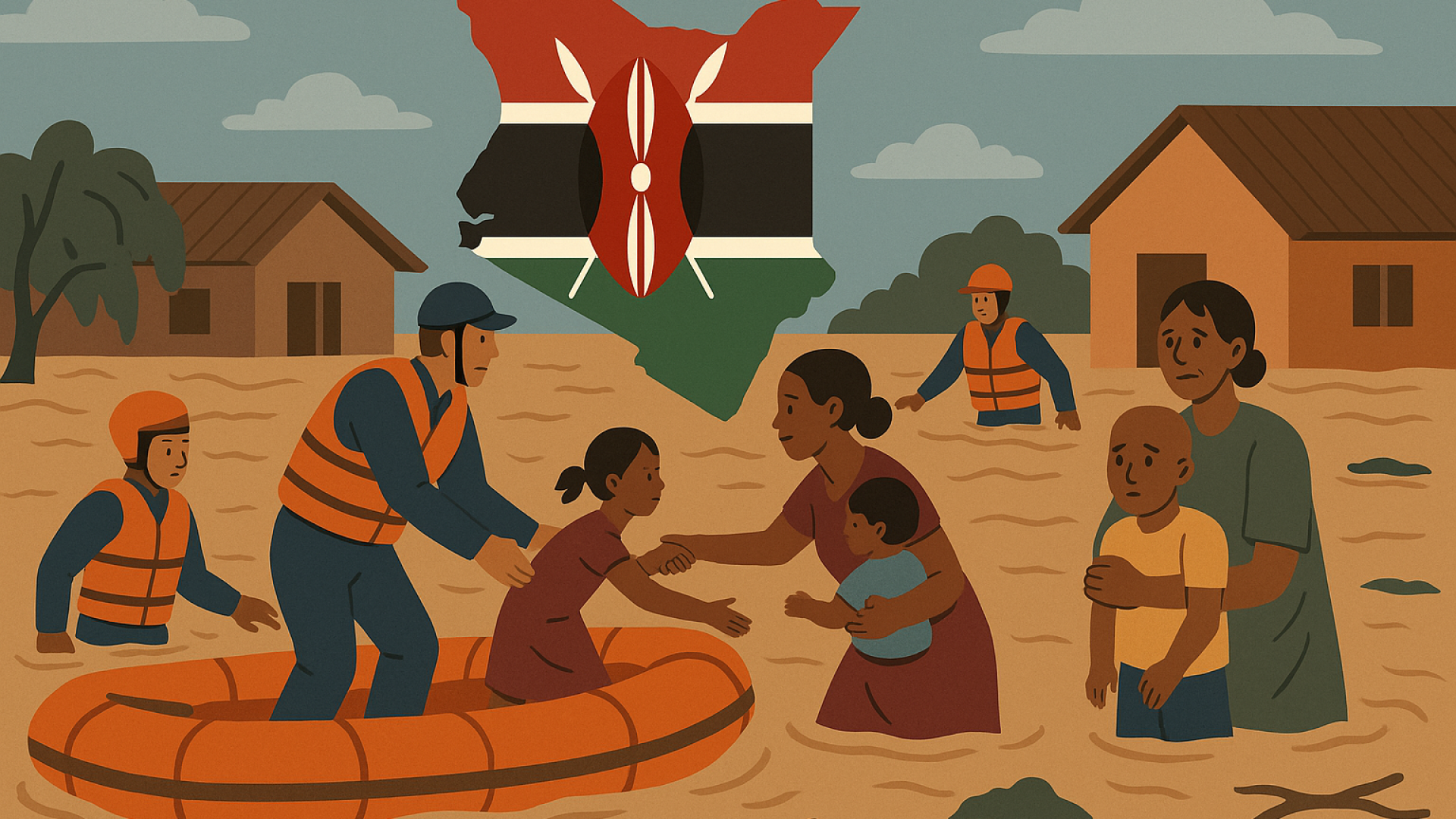
In early March 2026, Kenya has been grappling with severe flooding caused by relentless heavy rains. The disaster has tragically claimed the lives of 62 people and displaced thousands, highlighting the vulnerability of the region to extreme weather events. This article provides an in-depth analysis of the flooding crisis, its underlying causes, the immediate and long-term impacts on communities, and the multifaceted response efforts underway to address the situation.
Context: Understanding the Flooding Crisis in Kenya
Kenya, located in East Africa, experiences seasonal rains that are vital for agriculture and water supply. However, the intensity and unpredictability of rainfall have increased in recent years, influenced by climate change and environmental degradation. The current flooding is part of a pattern of extreme weather events that have become more frequent, posing significant challenges to infrastructure, agriculture, and public safety.
The heavy rains began in late February 2026, with meteorological reports indicating above-average precipitation levels across several counties, including Nairobi, Kisumu, and parts of the Rift Valley. Rivers such as the Tana and Athi overflowed, inundating nearby communities and farmlands. Urban areas, particularly informal settlements with inadequate drainage systems, were severely affected.
These seasonal rains, while essential for replenishing water sources and supporting crop growth, have become increasingly erratic and intense. The unpredictability complicates planning for farmers and local authorities alike. Climate models suggest that East Africa is likely to experience more frequent and severe weather extremes in the coming decades, making the current flooding a harbinger of future challenges.
The Core Impact of the Flooding
The flooding has had devastating effects on human life, property, and the economy. Official reports confirm 62 deaths, with many more injured or missing. The displaced population is estimated to be in the tens of thousands, forced to seek refuge in temporary shelters or with relatives. The destruction of homes, schools, and health facilities has disrupted daily life and access to essential services.
Agriculture, a backbone of Kenya’s economy and food security, has suffered extensive damage. Floodwaters have destroyed crops such as maize, beans, and vegetables, threatening food supplies and livelihoods. Livestock losses have also been reported, compounding the economic strain on rural communities.
Infrastructure damage includes washed-out roads and bridges, hindering relief efforts and isolating affected areas. Power outages and water contamination have further complicated the crisis, increasing the risk of waterborne diseases such as cholera and dysentery.
The human toll extends beyond fatalities and displacement. Many families have lost their primary sources of income, and children’s education has been interrupted due to damaged schools. Health facilities overwhelmed by the crisis face shortages of essential medicines and staff, exacerbating the vulnerability of affected populations.
Economically, the flooding threatens to reverse years of development gains. The destruction of crops and livestock not only affects immediate food availability but also undermines market stability and export potential. Repairing damaged infrastructure will require significant financial resources, diverting funds from other critical development projects.
Challenges in Managing the Flood Crisis
Several factors have complicated the response to the flooding. First, the scale and rapid onset of the disaster overwhelmed local emergency services. Many affected areas are remote or lack adequate infrastructure, making access difficult for rescue and relief teams.
Second, the limited availability of resources, including emergency shelters, food supplies, and medical care, has strained government and humanitarian organizations. Coordination among various agencies has been challenging, though efforts are ongoing to improve communication and logistics.
Third, the underlying environmental issues such as deforestation, poor land use, and inadequate urban planning have exacerbated the flooding’s impact. Informal settlements built on floodplains are particularly vulnerable, highlighting the need for sustainable development policies.
Moreover, the socio-economic disparities in Kenya mean that marginalized communities bear the brunt of the disaster. Informal settlements often lack proper sanitation and drainage, increasing residents’ exposure to floodwaters and related health risks. The limited financial capacity of these communities restricts their ability to recover quickly.
Emergency response efforts have also been hampered by logistical challenges. Damaged roads and bridges have delayed the delivery of aid, while communication blackouts in some areas have made it difficult to assess needs accurately. The ongoing COVID-19 pandemic has further complicated relief operations by limiting the availability of healthcare workers and resources.
Response Efforts and Solutions
The Kenyan government, in collaboration with international partners and non-governmental organizations, has mobilized a multi-pronged response to address the crisis. Key actions include:
- Emergency Relief: Distribution of food, clean water, and medical supplies to affected populations. Temporary shelters have been established to house displaced families.
- Rescue Operations: Deployment of search and rescue teams using boats and helicopters to reach stranded individuals.
- Health Interventions: Vaccination campaigns and disease surveillance to prevent outbreaks of waterborne illnesses.
- Infrastructure Rehabilitation: Repair of damaged roads, bridges, and drainage systems to restore connectivity and reduce future flood risks.
- Community Engagement: Public awareness campaigns on flood preparedness and safety measures.
Long-term solutions are also being considered to mitigate future flooding risks. These include:
- Climate Adaptation Strategies: Implementing early warning systems and improving weather forecasting capabilities.
- Environmental Conservation: Reforestation projects and sustainable land management to reduce soil erosion and runoff.
- Urban Planning Reforms: Regulating construction in flood-prone areas and upgrading drainage infrastructure in cities.
- Investment in Water Management: Building dams, retention basins, and flood barriers to control water flow.
International aid agencies such as the United Nations, Red Cross, and various NGOs have provided critical support, including funding, technical expertise, and on-the-ground assistance. These collaborations have enhanced the capacity of local authorities to respond effectively.
Community involvement has been pivotal in the response. Local leaders and volunteers have played key roles in disseminating information, assisting with evacuations, and supporting vulnerable groups such as the elderly and disabled.
Looking ahead, Kenya is prioritizing the integration of disaster risk reduction into national development plans. This includes investing in resilient infrastructure, promoting sustainable agricultural practices, and enhancing social safety nets to protect the most vulnerable populations.
Conclusion
The severe flooding in Kenya in March 2026 underscores the urgent need for comprehensive disaster preparedness and climate resilience strategies. While immediate relief efforts are critical to saving lives and alleviating suffering, addressing the root causes of flooding through sustainable development and environmental stewardship is essential to protect communities in the long term. The tragedy serves as a stark reminder of the growing challenges posed by climate change and the importance of coordinated action at local, national, and international levels.
As Kenya continues to recover from this devastating event, the lessons learned will hopefully inform policies and practices that reduce vulnerability and enhance the capacity to respond to future natural disasters. Strengthening early warning systems, improving infrastructure, and fostering community resilience are vital steps toward building a safer and more sustainable future for all Kenyans.