 7 months ago
Introduction
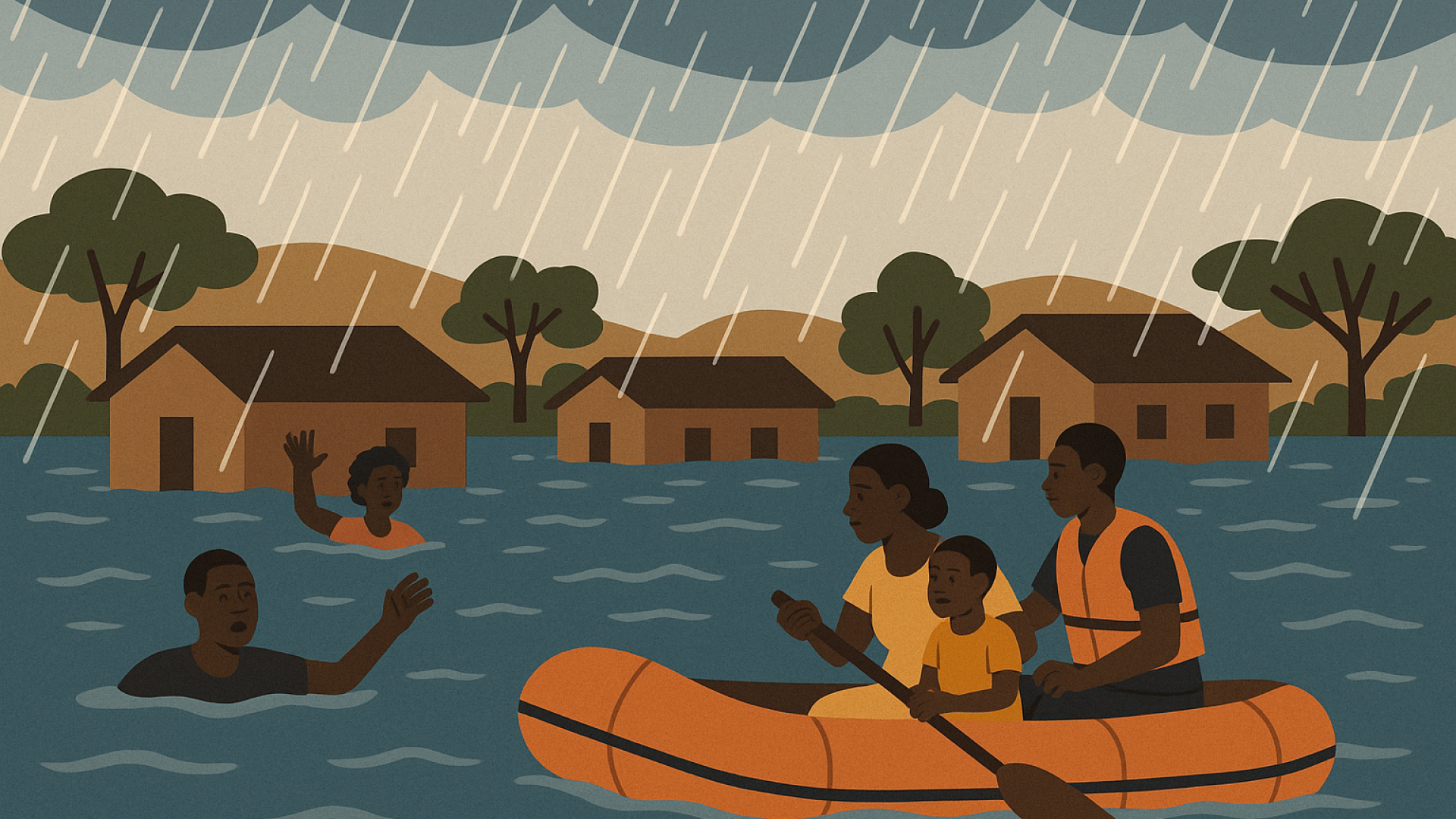
In early March 2026, Kenya has been grappling with severe flooding caused by persistent heavy rains. The floods have tragically claimed the lives of at least 62 people, displaced thousands, and caused extensive damage to infrastructure and agriculture. This natural disaster has brought to light the vulnerabilities in Kenya's disaster preparedness and response systems, as well as the broader challenges posed by climate change in the region. The scale and intensity of the flooding have overwhelmed local capacities, prompting urgent calls for enhanced national and international cooperation to address both immediate relief and long-term resilience.
Context: The Flooding Crisis in Kenya
Kenya, like many countries in East Africa, experiences seasonal rains that are vital for agriculture and water resources. However, the intensity and unpredictability of rainfall have increased in recent years, attributed in part to climate change. In March 2026, unusually heavy and sustained rains have led to rivers overflowing, flash floods, and landslides across several counties, including Nairobi, Kisumu, and parts of the Rift Valley. These floods have not only disrupted urban centers but have also severely impacted rural communities that rely heavily on subsistence farming.
The flooding has disrupted daily life, with roads washed away, homes submerged, and essential services interrupted. The death toll of 62 is a somber reminder of the human cost of such disasters, with many victims caught unaware or unable to evacuate in time. Beyond the immediate fatalities, many more individuals have suffered injuries, psychological trauma, and loss of property, underscoring the multifaceted impact of the floods.
Core Issues Behind the Flooding
Climate Change and Weather Patterns
Scientific studies have shown that climate change is altering rainfall patterns in East Africa, leading to more frequent and intense weather events. Warmer temperatures increase evaporation rates, contributing to heavier downpours when rain does occur. This shift challenges traditional agricultural calendars and water management practices. Moreover, the unpredictability of rainfall complicates planning for farmers and local authorities, increasing vulnerability to both droughts and floods within short time spans.
Urbanization and Environmental Degradation
Rapid urban growth, particularly in cities like Nairobi, has led to increased surface runoff due to reduced green spaces and inadequate drainage infrastructure. Informal settlements often develop in flood-prone areas, exposing vulnerable populations to heightened risks. Additionally, deforestation and poor land management upstream exacerbate soil erosion and reduce the land's ability to absorb rainfall. The loss of natural vegetation cover diminishes the landscape's resilience to heavy rains, leading to more severe flooding and landslides.
Infrastructure and Preparedness Gaps
Kenya's infrastructure, including roads, bridges, and drainage systems, is often ill-equipped to handle extreme weather events. Many drainage channels are clogged or poorly maintained, reducing their capacity to manage floodwaters effectively. Early warning systems and community preparedness programs exist but are unevenly implemented, limiting their effectiveness in preventing loss of life and property. In some regions, lack of access to timely weather information and emergency communication has hindered evacuation efforts, exacerbating the disaster's impact.
Impact of the Floods
Humanitarian Consequences
The immediate impact includes loss of life, injuries, and displacement. Thousands of families have been forced to leave their homes, seeking shelter in overcrowded camps or with relatives. Many displaced persons face inadequate access to food, clean water, sanitation, and healthcare, increasing their vulnerability to disease outbreaks. Access to clean water and sanitation has been compromised, raising concerns about waterborne diseases such as cholera and dysentery. Health facilities in affected areas are overwhelmed, struggling to provide adequate care amid the crisis.
Economic and Agricultural Damage
The floods have damaged crops, livestock, and farmland, threatening food security in affected regions. Key staple crops such as maize, beans, and vegetables have been destroyed or submerged, reducing harvest yields and increasing the risk of hunger. Infrastructure damage has disrupted trade and transportation, leading to economic losses for businesses and communities. Roads and bridges critical for market access have been washed away or rendered impassable, isolating some communities. Repair and reconstruction efforts will require significant resources and time, with economic recovery expected to be slow and challenging.
Environmental Effects
Floodwaters have caused soil erosion and sedimentation in rivers and lakes, impacting aquatic ecosystems. The destruction of vegetation and habitats also poses long-term risks to biodiversity. Increased sediment loads can degrade water quality, affecting fish populations and other aquatic life. Additionally, the alteration of natural waterways due to flooding may lead to changes in local ecosystems, potentially disrupting the balance of flora and fauna. These environmental impacts may have cascading effects on livelihoods that depend on natural resources.
Responses and Solutions
Government and Emergency Services
The Kenyan government has mobilized emergency response teams to conduct rescue operations, provide relief supplies, and coordinate evacuations. Efforts include setting up temporary shelters, distributing food and medical aid, and restoring critical infrastructure where possible. The government has also deployed the Kenya Red Cross and other agencies to assist in search and rescue missions. Coordination between national and county governments has been crucial in managing the response, although challenges remain in reaching remote and heavily affected areas.
International and NGO Assistance
International organizations and NGOs have stepped in to support relief efforts, providing funding, expertise, and logistical support. Collaboration with local authorities aims to enhance the effectiveness of aid delivery and address immediate needs. Agencies such as the United Nations, World Food Programme, and Médecins Sans Frontières have contributed resources and personnel. These organizations are also working to implement health interventions to prevent disease outbreaks and support water and sanitation improvements in displacement camps.
Long-Term Strategies
- Climate Adaptation: Investing in climate-resilient infrastructure, such as improved drainage systems and flood barriers, to reduce vulnerability. This includes upgrading urban drainage networks and constructing retention basins to manage excess water.
- Early Warning Systems: Expanding and upgrading meteorological monitoring and communication networks to provide timely alerts to communities. Enhancing community-based warning mechanisms and integrating traditional knowledge can improve responsiveness.
- Urban Planning: Implementing sustainable land use policies that prevent settlement in high-risk flood zones and promote green spaces. Enforcing zoning regulations and relocating vulnerable populations from flood-prone informal settlements are critical steps.
- Community Engagement: Educating and involving local populations in disaster preparedness and response planning. Training programs and awareness campaigns can empower communities to act swiftly during emergencies.
- Environmental Conservation: Reforestation and watershed management to enhance natural water absorption and reduce erosion. Protecting wetlands and restoring degraded landscapes help buffer against floods.
Conclusion
The severe flooding in Kenya in March 2026 underscores the urgent need for comprehensive approaches to disaster risk reduction and climate adaptation. While immediate relief efforts are critical to saving lives and alleviating suffering, long-term investments in infrastructure, environmental management, and community resilience are essential to mitigate future disasters. Kenya's experience serves as a cautionary tale for other regions facing similar climate challenges, highlighting the importance of preparedness, cooperation, and sustainable development.
As the rains continue, the resilience of affected communities and the effectiveness of coordinated responses will be tested. The lessons learned from this crisis can inform policies and actions that protect lives, livelihoods, and ecosystems in Kenya and beyond. Strengthening partnerships between government agencies, civil society, international actors, and local communities will be key to building a safer and more sustainable future in the face of climate change.