 7 months ago
Introduction
In early March 2026, Kenya has been grappling with severe flooding that has tragically claimed the lives of at least 62 people. The heavy rains, which have persisted over several weeks, have caused widespread devastation across multiple counties, displacing thousands and damaging critical infrastructure. This article provides an in-depth analysis of the flooding event, its underlying causes, the immediate and long-term impacts on communities, and the response efforts underway to address this humanitarian crisis.
Context: Understanding the Flooding in Kenya
Kenya, located in East Africa, experiences seasonal rainfall patterns that are vital for agriculture and water supply. However, in recent years, the country has witnessed increasingly erratic weather patterns, including intense and prolonged rainfall events. The current flooding is attributed to a combination of climatic factors, including the ongoing La Niña phenomenon, which has intensified precipitation in the region. This climatic event disrupts normal weather patterns by cooling surface ocean temperatures in the central and eastern Pacific, which in turn affects atmospheric circulation and leads to increased rainfall in East Africa.
Additionally, environmental degradation such as deforestation, poor land management, and rapid urbanization have exacerbated the vulnerability of many areas to flooding. Forests that once absorbed rainfall and stabilized soil have been cleared for agriculture and settlement, reducing the land's natural ability to manage excess water. River basins and low-lying regions have been particularly affected, with rivers overflowing their banks and inundating surrounding communities. Urban sprawl, often unplanned, has led to the encroachment of settlements into floodplains, further increasing the risk of flood damage.
The Core Impact of the Flooding
The flooding has had devastating consequences on both human life and infrastructure. According to official reports, at least 62 people have lost their lives, with many more injured or missing. The death toll is expected to rise as rescue operations continue in hard-to-reach areas. Thousands of families have been displaced, forced to seek refuge in temporary shelters or with relatives. The destruction of homes, schools, and health facilities has disrupted daily life and access to essential services, compounding the humanitarian crisis.
Economic activities, especially agriculture, have suffered significant setbacks. Crops have been destroyed by waterlogging, and livestock losses have been reported, threatening the livelihoods of many rural communities. The flooding has damaged farmlands, washing away seeds and fertilizers, which will likely reduce agricultural productivity in the coming seasons. This threatens food security in affected regions and could have ripple effects on the national economy, potentially leading to increased food prices and economic instability.
Transportation networks have also been severely impacted. Flooded roads and damaged bridges have isolated communities, complicating relief efforts and the delivery of aid. Many rural areas remain cut off, making it difficult for emergency responders to reach those in need. Power outages and water supply disruptions have further compounded the challenges faced by residents, with some areas experiencing prolonged blackouts and contamination of drinking water sources, increasing the risk of waterborne diseases.
Response and Relief Efforts
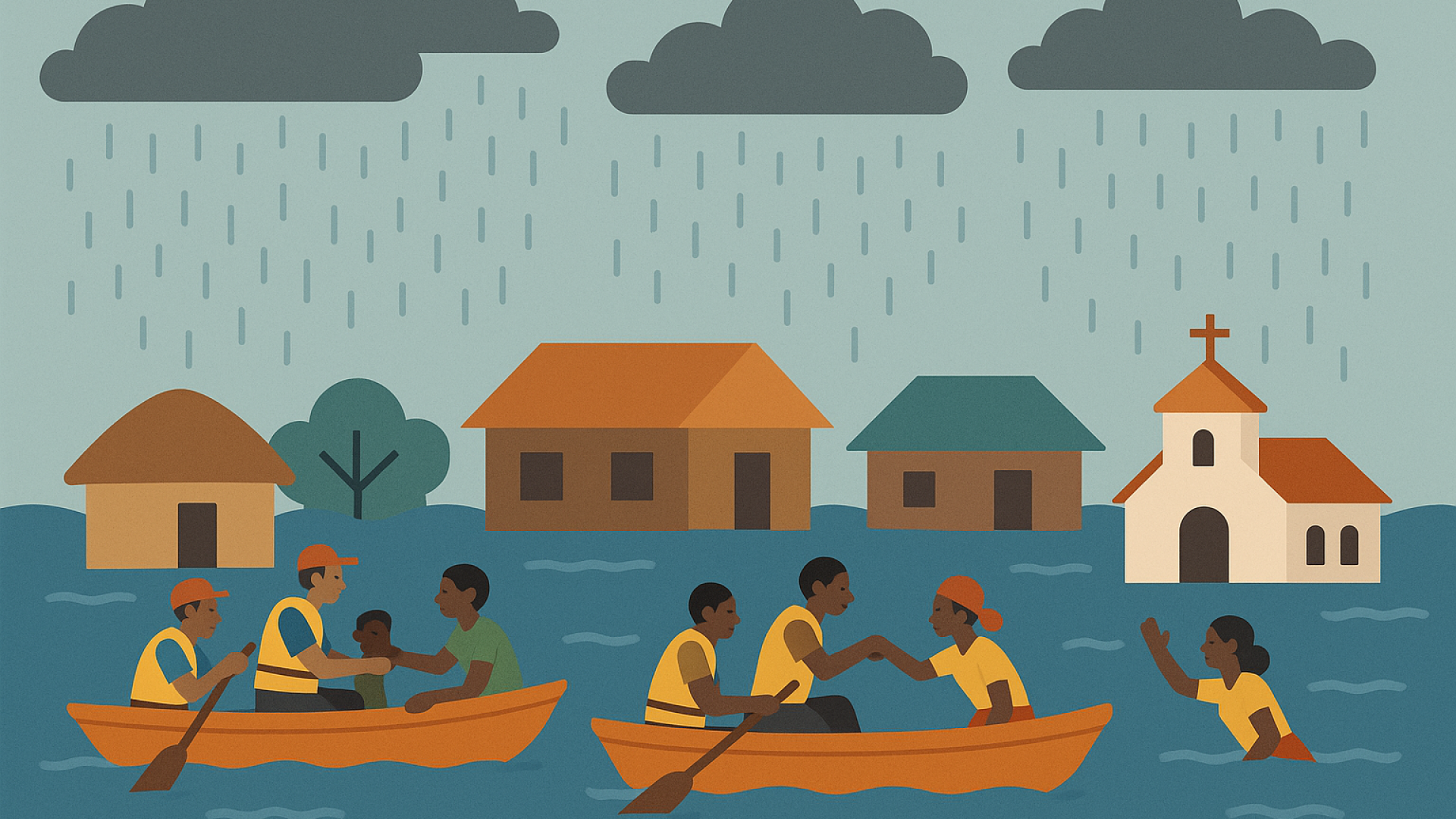
The Kenyan government, alongside local authorities and international partners, has mobilized resources to respond to the crisis. Emergency rescue teams have been deployed to evacuate vulnerable populations and provide medical assistance. Helicopters and boats have been used in some areas to reach stranded residents. Temporary shelters have been established to accommodate displaced persons, with efforts to ensure access to food, clean water, and sanitation facilities. The government has also declared a state of emergency in the worst-hit counties to facilitate rapid response and resource allocation.
Humanitarian organizations, including the Red Cross and United Nations agencies, are actively involved in coordinating relief operations. They are working to assess needs, distribute aid, and support recovery initiatives. These organizations have launched appeals for international assistance to bolster their efforts. However, the scale of the disaster poses significant logistical and resource challenges, including shortages of shelter materials, medical supplies, and clean water. The ongoing rains continue to hamper relief operations, making it difficult to reach all affected communities promptly.
In addition to immediate relief, there is a growing emphasis on long-term resilience building. This includes improving early warning systems to provide timely alerts to communities at risk, investing in flood control infrastructure such as dams and drainage systems, and promoting sustainable land use practices to reduce future flood risks. Efforts are underway to engage local communities in disaster preparedness training and to develop contingency plans that can be activated quickly in future emergencies.
Challenges in Managing Flood Risks
Kenya faces multiple challenges in managing flood risks effectively. Rapid population growth and urban expansion have increased pressure on natural drainage systems. Informal settlements often develop in flood-prone areas, exposing vulnerable populations to hazards. Many of these settlements lack adequate infrastructure, such as proper drainage and sanitation, which exacerbates the impact of flooding.
Financial constraints limit the capacity of local governments to implement comprehensive flood mitigation projects. Budgetary limitations hinder the construction and maintenance of critical infrastructure needed to manage floodwaters. Furthermore, climate change continues to alter rainfall patterns, making it difficult to predict and prepare for extreme weather events. The increased frequency and intensity of storms and heavy rains pose new challenges for disaster management agencies.
Coordination among various stakeholders, including government agencies, communities, and international partners, is essential but sometimes hampered by bureaucratic hurdles and resource limitations. Effective communication and collaboration are critical to ensure that aid reaches those most in need and that recovery efforts are well-organized and sustainable.
Potential Solutions and Future Directions
Addressing the flooding crisis in Kenya requires a multifaceted approach that combines immediate humanitarian response with long-term strategic planning. Key solutions include:
- Enhanced Early Warning Systems: Investing in meteorological infrastructure and community-based alert mechanisms to provide timely warnings and reduce loss of life. This involves deploying advanced weather monitoring technologies and training local volunteers to disseminate alerts effectively.
- Infrastructure Development: Building and maintaining flood defenses such as levees, drainage channels, and retention basins to manage excess water. Upgrading existing infrastructure to withstand extreme weather events is also crucial.
- Sustainable Land Management: Promoting reforestation, soil conservation, and controlled urban development to reduce runoff and soil erosion. Encouraging agroforestry and conservation agriculture can help restore degraded lands and improve water retention.
- Community Engagement: Educating and involving local populations in disaster preparedness and response planning to build resilience. Community-based disaster risk management programs empower residents to take proactive measures and participate in decision-making.
- Climate Adaptation Policies: Integrating climate risk assessments into national development plans and securing funding for adaptation projects. This includes adopting policies that promote sustainable development while addressing the impacts of climate change.
International cooperation and funding will be critical to support Kenya’s efforts, especially as climate change continues to increase the frequency and severity of such disasters. Partnerships with global institutions can provide technical expertise, financial resources, and capacity-building support to enhance Kenya's disaster management capabilities.
Conclusion
The severe flooding in Kenya in March 2026 highlights the urgent need for comprehensive disaster management strategies that address both immediate humanitarian needs and long-term resilience. While the loss of life and destruction caused by the floods are tragic, they also serve as a stark reminder of the growing challenges posed by climate change and environmental degradation. Through coordinated efforts, investment in infrastructure, and community empowerment, Kenya can better prepare for future floods and protect its citizens from similar catastrophes.
As the rains continue, the focus remains on saving lives, restoring essential services, and laying the groundwork for a safer, more resilient future. The lessons learned from this disaster underscore the importance of proactive planning, sustainable environmental management, and inclusive governance in mitigating the impacts of natural hazards.