 4 months ago
Introduction
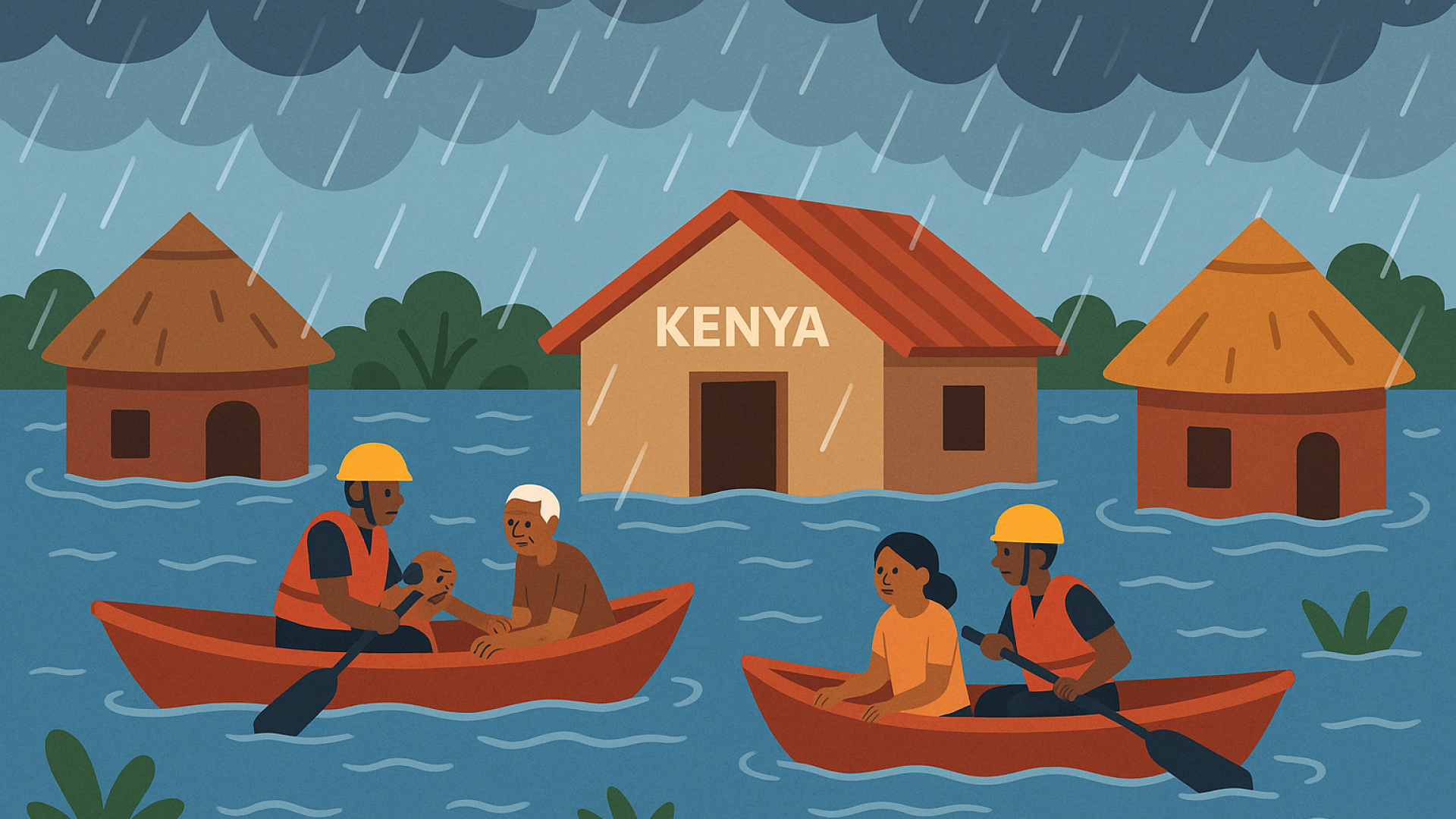
In early March 2026, Kenya has been grappling with severe flooding that has tragically claimed the lives of 62 people. The relentless heavy rains have led to widespread displacement, destruction of infrastructure, and significant challenges for emergency responders. This article provides an in-depth analysis of the flooding event, its underlying causes, the impact on communities and the economy, and the ongoing efforts to address the crisis.
Context: Kenya’s Climate and Flooding History
Kenya’s climate is characterized by two rainy seasons: the long rains typically from March to May and the short rains from October to December. However, in recent years, climate variability has intensified, leading to unpredictable and often extreme weather events. Flooding has become an increasingly frequent and severe problem, particularly in low-lying and riverine areas.
Historically, flooding in Kenya has caused loss of life, damage to homes and infrastructure, and disruptions to agriculture and livelihoods. The current flooding episode is among the worst in recent memory, exacerbated by a combination of climatic factors and human activities. This pattern reflects a broader trend across East Africa, where changing weather patterns have heightened the vulnerability of communities to natural disasters.
Causes of the 2026 Flooding
- Heavy and Prolonged Rainfall: Meteorological data indicates that the March 2026 rains have been unusually intense and sustained, surpassing average precipitation levels for the season. This has overwhelmed natural drainage systems and riverbanks, leading to widespread inundation in both urban and rural areas.
- Climate Change: Climate change has contributed to increased rainfall variability and intensity in East Africa. Warmer temperatures increase evaporation and moisture in the atmosphere, leading to heavier downpours. These changes disrupt traditional weather patterns, making it difficult for communities and governments to prepare adequately.
- Deforestation and Land Degradation: Extensive deforestation in Kenya’s highlands has reduced the land’s ability to absorb rainfall, increasing surface runoff and erosion. This has intensified flooding downstream, as water flows more rapidly into rivers and streams. Land degradation also diminishes soil fertility, further impacting agricultural productivity.
- Urbanization and Poor Drainage Infrastructure: Rapid urban growth, particularly in informal settlements, has led to inadequate drainage systems. Impermeable surfaces such as concrete and asphalt prevent water absorption, while blocked waterways exacerbate urban flooding. Many urban areas lack proper planning and maintenance, increasing vulnerability to flood events.
Impact of the Flooding
Humanitarian Impact
The flooding has resulted in 62 confirmed deaths, with many more injured or missing. Thousands of families have been displaced, forced to seek shelter in temporary camps or with relatives. The destruction of homes and personal belongings has left many vulnerable and in need of urgent assistance. Access to clean water and sanitation has been severely compromised, raising concerns about outbreaks of waterborne diseases such as cholera and typhoid.
Healthcare facilities in affected regions have been overwhelmed, struggling to provide adequate care amid damaged infrastructure and increased patient loads. Vulnerable groups, including children, the elderly, and people with disabilities, face heightened risks during and after the floods.
Infrastructure and Economic Impact
Roads, bridges, and public utilities have suffered extensive damage, disrupting transportation and communication networks essential for economic activities and emergency response. Key highways have been submerged or washed away, isolating communities and delaying relief efforts. Agricultural lands have been inundated, threatening food security in affected regions by destroying crops and killing livestock.
The economic cost of the flooding is expected to be substantial, with losses in crops, livestock, and business activities. Small and medium enterprises have been particularly hard hit, with many facing prolonged closures due to damage and supply chain disruptions. The overall impact threatens to slow down Kenya’s economic growth and exacerbate poverty in vulnerable communities.
Environmental Impact
Floodwaters have caused significant soil erosion and sedimentation in rivers and lakes, affecting aquatic ecosystems and biodiversity. The increased sediment load can disrupt fish habitats and reduce water quality, impacting both wildlife and human populations dependent on these water sources.
Contamination from flooded sewage systems and industrial sites poses additional environmental hazards, introducing pollutants and hazardous materials into the environment. This contamination threatens both human health and the sustainability of natural resources, complicating recovery efforts.
Response and Mitigation Efforts
Government and Emergency Services
The Kenyan government has mobilized emergency response teams to conduct search and rescue operations, provide medical assistance, and distribute relief supplies such as food, water, and shelter materials. Coordination between national and county governments aims to ensure that aid reaches the most affected areas promptly.
Efforts are underway to repair critical infrastructure and restore essential services, including electricity, water supply, and transportation networks. The government has also declared a state of emergency in the worst-hit regions to facilitate rapid response and resource allocation.
International and NGO Support
International organizations and non-governmental organizations have stepped in to support relief efforts, providing food, shelter, healthcare services, and psychosocial support to affected populations. Agencies such as the United Nations, Red Cross, and various humanitarian groups are collaborating to deliver aid efficiently and avoid duplication of efforts.
Funding appeals have been launched to mobilize resources for both immediate relief and longer-term recovery projects. Technical assistance is also being provided to improve disaster preparedness and response capacities at the local level.
Community Involvement
Local communities have played a vital role in rescue operations and in supporting displaced families. Volunteers have assisted in evacuations, distribution of relief items, and rebuilding efforts. Community leaders are actively involved in coordinating local responses and communicating important safety information.
Awareness campaigns are being conducted to educate residents on flood preparedness, early warning systems, and safety measures to reduce risks during future events. These initiatives aim to empower communities to better withstand and recover from disasters.
Long-Term Solutions
- Improved Flood Management Infrastructure: Investment in dams, levees, and drainage systems is critical to reduce future flood risks. Enhancing early warning systems and flood forecasting capabilities will also improve preparedness and response.
- Reforestation and Land Rehabilitation: Restoring forest cover and implementing sustainable land management practices can enhance natural water absorption and reduce runoff. Community-based conservation programs are essential to ensure the success and sustainability of these efforts.
- Urban Planning and Regulation: Strengthening urban planning to include flood risk assessments and enforcing building codes can mitigate urban flooding. Upgrading drainage infrastructure and promoting green spaces can help manage stormwater effectively.
- Climate Adaptation Strategies: Integrating climate resilience into national development plans is necessary to address the increasing frequency of extreme weather events. This includes adopting policies that promote sustainable agriculture, water resource management, and disaster risk reduction.
Conclusion
The severe flooding in Kenya in March 2026 highlights the urgent need for comprehensive approaches to disaster risk reduction and climate adaptation. While immediate relief efforts are critical to save lives and support affected communities, long-term strategies must address the root causes of flooding and build resilience against future events.
Collaborative efforts among government, international partners, communities, and the private sector will be essential to safeguard Kenya’s people and economy from the growing threat of climate-induced disasters. Investing in sustainable development, environmental conservation, and robust infrastructure will not only mitigate flood risks but also contribute to the overall well-being and prosperity of the nation.