 6 months ago
Introduction
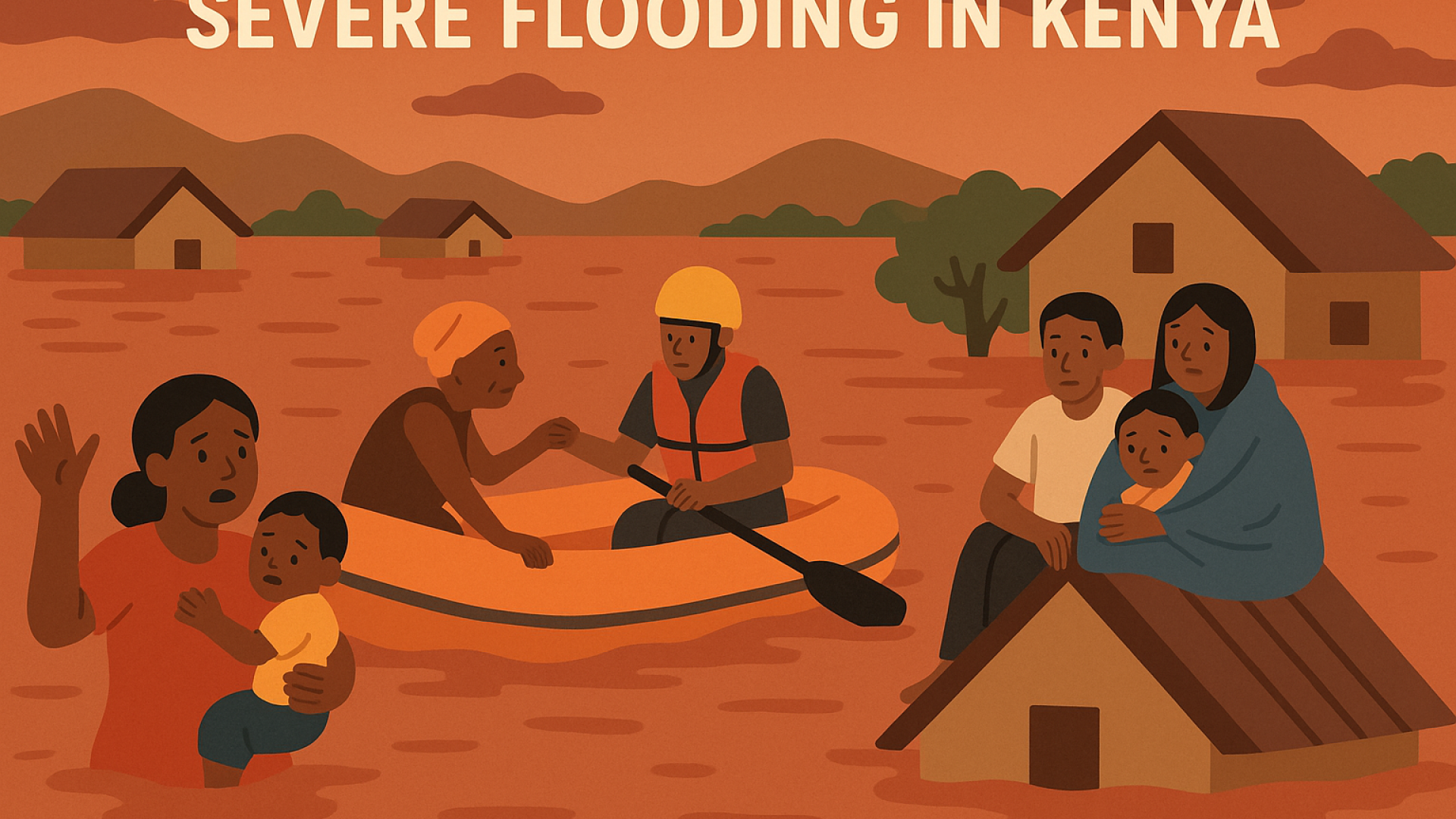
In early March 2026, Kenya has been grappling with severe flooding that has tragically claimed the lives of at least 62 people. The relentless heavy rains have caused widespread destruction, displacing thousands and disrupting livelihoods across multiple regions. This article provides a detailed analysis of the flooding event, its underlying causes, the immediate and long-term impacts on communities, and explores potential solutions to enhance resilience and disaster preparedness in Kenya.
Context: Understanding the Flooding Crisis in Kenya
Kenya's geographical and climatic conditions make it vulnerable to seasonal flooding, particularly during the long rains season from March to May. However, the intensity and duration of the rains in 2026 have exceeded typical patterns, leading to unprecedented water levels in rivers and lakes. Several factors contribute to this crisis:
- Climate Change: Increasingly erratic weather patterns and rising temperatures have intensified rainfall events, making floods more frequent and severe. Scientific studies indicate that the East African region is experiencing shifts in precipitation patterns, with more intense downpours occurring over shorter periods, overwhelming natural and man-made drainage systems.
- Deforestation and Land Degradation: The loss of forest cover reduces the land's ability to absorb rainwater, increasing surface runoff and flood risks. In Kenya, deforestation driven by agricultural expansion, logging, and charcoal production has accelerated soil erosion and diminished the natural buffers that mitigate flooding.
- Urbanization: Rapid and often unplanned urban growth has led to inadequate drainage infrastructure, exacerbating flood impacts in cities. Informal settlements, which house a significant portion of urban populations, are particularly vulnerable due to poor housing quality and lack of proper sanitation and drainage.
- Topography and Hydrology: Regions near major rivers such as the Tana and Athi Rivers are particularly susceptible to flooding when heavy rains swell water bodies beyond their banks. Low-lying floodplains and wetlands, which traditionally absorb excess water, have been encroached upon by human activities, reducing their capacity to mitigate floods.
Core Impact Analysis
The flooding has had multifaceted impacts on Kenya's population, economy, and environment, affecting both urban and rural communities in profound ways.
Humanitarian Impact
- Loss of Life and Injuries: Official reports confirm 62 fatalities, with many more injured or missing. Vulnerable groups, including children, the elderly, and persons with disabilities, have been disproportionately affected due to limited mobility and access to emergency services. The psychological trauma experienced by survivors and families of victims is significant and requires long-term mental health support.
- Displacement: Thousands of families have been forced to evacuate their homes, seeking refuge in temporary shelters or with relatives. The displacement has strained local resources and humanitarian aid efforts, leading to overcrowded shelters and increased risk of communicable diseases. Many displaced persons face challenges in accessing education and employment, compounding their vulnerability.
- Health Risks: Floodwaters have contaminated drinking water sources, increasing the risk of waterborne diseases such as cholera, typhoid, and dysentery. Stagnant water has also created breeding grounds for mosquitoes, raising concerns about malaria outbreaks. Access to healthcare has been disrupted in affected areas due to damaged facilities and transportation challenges, complicating disease prevention and treatment efforts.
Economic Consequences
- Agricultural Losses: Flooding has destroyed crops and livestock, threatening food security and farmers' livelihoods, especially in rural communities dependent on subsistence farming. Key staple crops such as maize, beans, and vegetables have been washed away or rendered unharvestable, leading to reduced food availability and increased prices. Livestock losses further undermine income and nutrition for affected households.
- Infrastructure Damage: Roads, bridges, and public utilities have suffered extensive damage, hampering transportation and communication networks critical for economic activities. The destruction of irrigation systems and water supply infrastructure has long-term implications for agricultural productivity and public health. Repair and reconstruction costs place additional strain on government budgets.
- Business Disruption: Flooding in urban centers has led to temporary closures of businesses, affecting income and employment. Small and medium enterprises, which form the backbone of Kenya's economy, face significant losses due to property damage and reduced customer access. The interruption of supply chains further exacerbates economic instability.
Environmental Effects
- Soil Erosion and Sedimentation: Heavy rains have caused significant soil erosion, degrading land quality and contributing to sediment buildup in rivers and reservoirs. This sedimentation reduces water storage capacity and increases the risk of future flooding. Loss of fertile topsoil undermines agricultural productivity and ecosystem health.
- Biodiversity Threats: Floodwaters have disturbed natural habitats, threatening wildlife and aquatic ecosystems. Displacement of species and contamination of water bodies disrupt ecological balance, with potential long-term consequences for biodiversity conservation. Wetlands, which serve as natural flood buffers, have been degraded by both flooding and human activities.
Response and Solutions
Addressing the flooding crisis requires a coordinated approach involving government agencies, local communities, international partners, and experts. Effective response and mitigation strategies must balance immediate relief with sustainable development goals.
Emergency Response and Relief
- Search and Rescue Operations: Mobilizing trained personnel and resources to locate and assist affected individuals is critical in the immediate aftermath of flooding. Coordination between national disaster response teams, local authorities, and community volunteers enhances efficiency and coverage.
- Provision of Shelter and Basic Needs: Establishing safe shelters with access to food, clean water, sanitation, and medical care is essential to protect displaced populations. Efforts must prioritize vulnerable groups and ensure dignity and security in temporary accommodations.
- Health Interventions: Implementing vaccination campaigns and disease surveillance to prevent outbreaks is vital. Distribution of water purification tablets, hygiene kits, and public health education help reduce the spread of waterborne diseases.
Medium to Long-Term Mitigation
- Improved Early Warning Systems: Enhancing meteorological monitoring and communication to provide timely flood alerts enables communities and authorities to prepare and respond proactively. Integration of local knowledge and technology, such as mobile alerts and community radios, increases reach and effectiveness.
- Infrastructure Development: Investing in flood-resilient infrastructure such as drainage systems, embankments, and flood barriers reduces vulnerability. Upgrading roads and bridges to withstand flood events ensures continuity of essential services and economic activities.
- Environmental Conservation: Promoting reforestation, sustainable land management, and wetland restoration improves natural water absorption and reduces runoff. Community-based conservation programs empower local populations to protect and manage their environment sustainably.
- Urban Planning: Enforcing zoning laws and building codes to reduce flood risk in expanding urban areas is crucial. Incorporating green spaces and permeable surfaces in city designs helps manage stormwater and mitigate urban flooding.
- Community Engagement and Education: Raising awareness about flood risks and preparedness measures among vulnerable populations fosters resilience. Training in emergency response, first aid, and evacuation procedures equips communities to act effectively during disasters.
Policy and Funding
- Government Commitment: Strengthening institutional frameworks for disaster risk management and allocating adequate budgetary resources ensures sustained preparedness and response capacity. Cross-sectoral coordination enhances policy coherence and implementation.
- International Support: Leveraging aid and technical assistance from global organizations and development partners provides critical resources and expertise. Collaborative projects can support capacity building, infrastructure development, and research.
- Private Sector Involvement: Encouraging investment in resilient infrastructure and innovative solutions such as flood insurance schemes mobilizes additional resources. Public-private partnerships can drive technological innovation and improve disaster risk financing.
Conclusion
The severe flooding in Kenya in March 2026 underscores the urgent need for comprehensive strategies to address climate-related disasters. While immediate humanitarian relief is critical to save lives and alleviate suffering, long-term resilience depends on sustainable environmental management, infrastructure improvements, and inclusive policies. Collaborative efforts across all sectors can help Kenya better prepare for future floods, protect vulnerable communities, and promote sustainable development in the face of climate change.
As the nation mourns the loss of life and begins the recovery process, the lessons learned from this crisis must inform stronger, more adaptive systems to safeguard Kenya’s people and environment against the growing threat of extreme weather events. Investing in resilience today will reduce the human, economic, and environmental costs of tomorrow’s disasters, ensuring a safer and more prosperous future for all Kenyans.