 5 months ago
Introduction
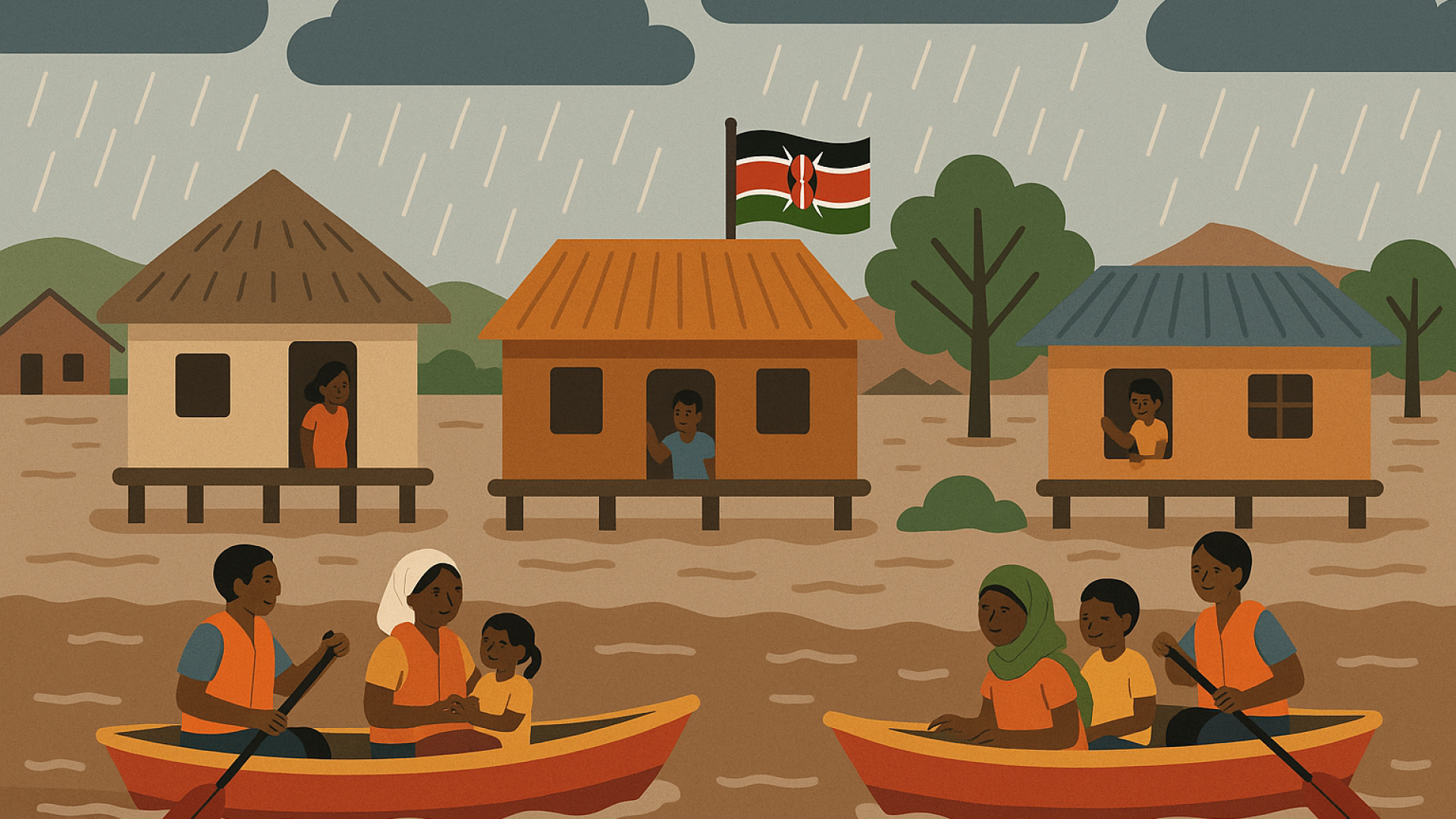
Kenya is currently grappling with one of the most severe flooding events in recent years, with heavy rains continuing to batter the region. As of March 2026, the flooding has tragically claimed the lives of at least 62 people, displacing thousands and causing extensive damage to infrastructure and agriculture. This article provides an in-depth analysis of the flooding crisis, examining the underlying causes, the immediate and long-term impacts on communities, and the strategies being implemented to mitigate future disasters.
Context: Understanding the Flooding Crisis in Kenya
Kenya's climate is characterized by two rainy seasons, the long rains typically occurring from March to May and the short rains from October to December. However, this year, the country has experienced unusually intense and prolonged rainfall, leading to widespread flooding across multiple counties. The regions most affected include western Kenya, parts of the Rift Valley, and coastal areas.
Several factors contribute to the severity of the flooding. Climate change has been linked to increased rainfall variability and extreme weather events in East Africa. Additionally, deforestation, poor land management, and rapid urbanization have exacerbated the vulnerability of many areas to flooding. Rivers such as the Nzoia, Tana, and Athi have overflowed, submerging homes, roads, and farmland, and disrupting the daily lives of millions.
Moreover, the topography of certain regions, combined with inadequate drainage systems, has intensified the impact of the heavy rains. Informal settlements in urban centers, often located in flood-prone zones, have suffered disproportionately due to poor infrastructure and limited access to emergency services.
The Core Impact of the Flooding
The human toll of the flooding is devastating. The confirmed death toll stands at 62, with many more injured or missing. Thousands of families have been displaced, seeking refuge in temporary shelters that are often overcrowded and lack adequate sanitation facilities. The flooding has also severely disrupted access to clean water, increasing the risk of waterborne diseases such as cholera, dysentery, and typhoid fever, which pose additional threats to vulnerable populations, especially children and the elderly.
Infrastructure damage is extensive and multifaceted. Roads and bridges have been washed away or rendered impassable, complicating rescue and relief efforts. Many schools and health facilities have been damaged or forced to close, affecting education and healthcare delivery across affected regions. Agricultural lands have been inundated, destroying crops and livestock, which threatens food security and the livelihoods of rural communities that depend heavily on farming and pastoralism.
The economic impact is equally severe. The destruction of infrastructure and agricultural losses have led to significant financial setbacks for both individuals and the national economy. Small businesses have been disrupted, and supply chains interrupted, leading to increased prices for essential goods and services. The flooding has also caused damage to critical infrastructure such as power lines and water treatment plants, further exacerbating the crisis.
Government and Humanitarian Response
The Kenyan government, in collaboration with international humanitarian organizations, has mobilized resources to respond to the crisis. Emergency relief efforts include the distribution of food, clean water, and medical supplies to affected populations. Evacuation and rescue operations are ongoing, with the Kenya Red Cross, National Disaster Operations Centre, and other agencies playing critical roles in coordinating efforts on the ground.
Authorities have issued warnings about the potential for further flooding due to continued rainfall and have urged communities in high-risk areas to relocate to safer locations. Temporary shelters and camps have been established, although overcrowding and limited resources remain challenges. Efforts to repair damaged infrastructure are underway, though progress is hampered by the scale of destruction and ongoing adverse weather conditions.
In addition to immediate relief, the government has initiated assessments to evaluate the full extent of the damage and to plan for reconstruction. Partnerships with international donors and development agencies are being strengthened to support recovery and resilience-building initiatives. Furthermore, there is a growing emphasis on improving early warning systems and disaster preparedness to reduce the impact of future flooding events.
Long-Term Solutions and Mitigation Strategies
Addressing the root causes of flooding and reducing vulnerability requires a multifaceted and sustained approach:
- Climate Adaptation: Implementing climate-resilient infrastructure such as flood barriers, improved drainage systems, and floodplain zoning to better prepare for extreme weather events. Enhancing early warning systems through technology and community-based monitoring can provide timely alerts to reduce loss of life and property.
- Environmental Conservation: Promoting reforestation and sustainable land management practices to reduce soil erosion and improve water absorption. Protecting wetlands and natural water catchment areas can help mitigate flood risks by acting as natural buffers.
- Urban Planning: Developing flood-resistant urban infrastructure and enforcing regulations to prevent construction in flood-prone areas. Upgrading informal settlements with proper drainage and sanitation facilities is crucial to safeguarding vulnerable populations.
- Community Engagement: Educating communities about flood risks and involving them in disaster preparedness and response planning. Empowering local populations through training and resources enhances resilience and ensures culturally appropriate solutions.
- Investment in Agriculture: Promoting flood-tolerant crops and diversifying livelihoods to enhance food security. Supporting farmers with access to insurance schemes and extension services can help them recover more quickly from flood-related losses.
Additionally, integrating disaster risk reduction into national development plans and fostering regional cooperation among East African countries can improve collective responses to climate-related challenges.
Regional and Global Implications
The flooding in Kenya is part of a broader pattern of increasing climate-related disasters in East Africa and globally. The region has experienced recurrent droughts, floods, and other extreme weather events that threaten development gains and exacerbate poverty. This crisis underscores the urgent need for international cooperation on climate change mitigation and adaptation, including financial support, technology transfer, and capacity building for vulnerable countries.
Furthermore, the flooding highlights the interconnectedness of environmental, social, and economic systems. Disasters of this magnitude can lead to displacement, food insecurity, and health crises that transcend national borders, emphasizing the importance of a coordinated global response. Strengthening resilience at the community, national, and regional levels is essential to reduce the human and economic costs of future disasters.
Conclusion
The severe flooding in Kenya has resulted in significant loss of life and widespread disruption across multiple sectors. While immediate relief efforts are critical to address urgent needs, long-term strategies focused on climate adaptation, environmental conservation, and community resilience are essential to prevent similar disasters in the future. The international community, alongside Kenyan authorities and local populations, must work together to address these challenges and build a safer, more sustainable future.
Investing in resilient infrastructure, promoting sustainable land use, and enhancing disaster preparedness can help Kenya and the broader East African region better withstand the impacts of climate change. Ultimately, a holistic approach that integrates environmental, social, and economic considerations will be key to safeguarding lives and livelihoods against the growing threat of flooding and other climate-related hazards.