5 months ago
Introduction
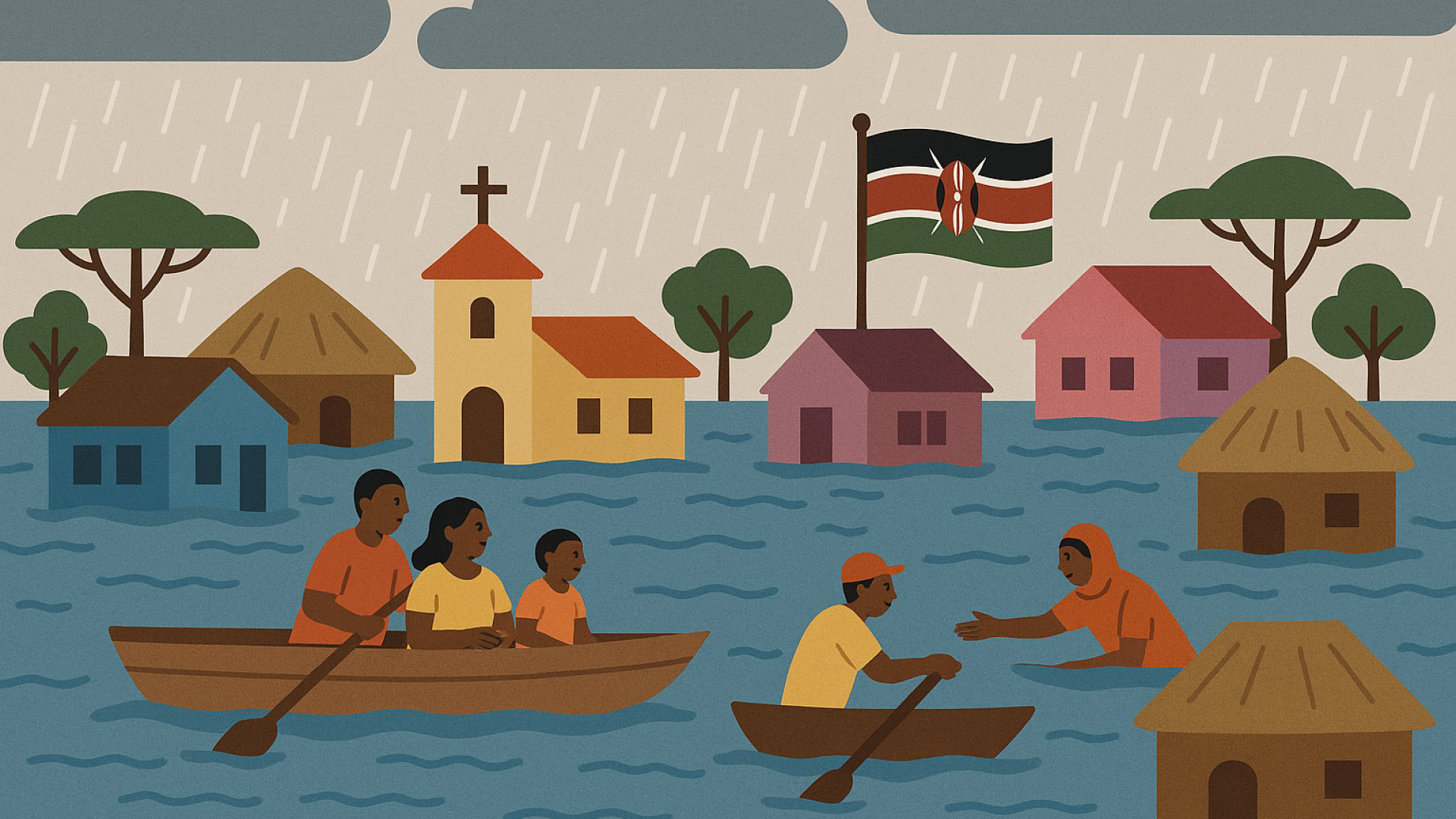
Kenya is currently grappling with one of the most severe flooding events in recent years, with heavy rains causing widespread destruction and loss of life. As of March 2026, official reports confirm that at least 62 people have died due to the floods, with many more displaced and infrastructure severely damaged. This article provides an in-depth analysis of the flooding crisis, its causes, impacts, ongoing response efforts, and potential solutions to mitigate future disasters.
Context: The Flooding Crisis in Kenya
Kenya, located in East Africa, experiences seasonal rains that are vital for agriculture and water supply. However, the current rainy season has been unusually intense, leading to catastrophic flooding across several counties. The heavy rains began in late February and have continued into March, overwhelming rivers and drainage systems. This prolonged period of rainfall has resulted in rivers bursting their banks, flash floods, and widespread waterlogging in both rural and urban areas.
Regions most affected include western and coastal counties, where low-lying areas have been submerged. Counties such as Kisumu, Homa Bay, Kilifi, and Kwale have reported extensive damage. The flooding has destroyed homes, roads, bridges, and farmland, severely disrupting daily life and economic activities. Many communities have been cut off due to washed-out roads and collapsed bridges, complicating rescue and relief efforts. The government and humanitarian agencies have declared the situation a national emergency, mobilizing resources to address the crisis.
Causes of the Flooding
Several factors have contributed to the severity of the flooding in Kenya:
- Climate Change: Increasingly erratic weather patterns and rising temperatures have intensified rainfall events, making floods more frequent and severe. Scientific studies indicate that East Africa is experiencing shifts in rainfall distribution, with heavier downpours occurring over shorter periods, which overwhelms natural and man-made drainage systems.
- Deforestation and Land Degradation: Loss of vegetation cover reduces the land’s ability to absorb water, increasing surface runoff and flood risk. In many parts of Kenya, forests and wetlands have been cleared for agriculture and settlement, diminishing natural buffers against flooding.
- Urbanization: Rapid and unplanned urban growth has led to poor drainage infrastructure, exacerbating flood impacts in towns and cities. Informal settlements often lack proper sewage and drainage systems, causing water to accumulate and increasing vulnerability to floods.
- Topography: Certain regions in Kenya are naturally prone to flooding due to their low elevation and proximity to rivers and lakes. Areas along Lake Victoria and the coastal plains are particularly susceptible, where heavy rains cause water levels to rise rapidly.
Impact of the Flooding
The flooding has had devastating effects on communities and the economy:
- Loss of Life and Displacement: At least 62 fatalities have been reported, with many families forced to evacuate their homes and seek shelter in temporary camps. Thousands of people remain displaced, living in overcrowded conditions with limited access to basic necessities.
- Damage to Infrastructure: Roads, bridges, schools, and health facilities have been damaged or destroyed, hindering access to essential services. Many schools have been closed due to flooding, disrupting education for thousands of children.
- Agricultural Losses: Floodwaters have submerged vast areas of farmland, destroying crops and livestock, threatening food security. Staple crops such as maize, beans, and vegetables have been lost, and farmers face significant economic hardship.
- Health Risks: Stagnant water and poor sanitation in flood-affected areas increase the risk of waterborne diseases such as cholera, typhoid, and malaria. Health facilities overwhelmed by the crisis are struggling to provide adequate care, raising concerns about potential disease outbreaks.
- Economic Disruption: Trade and transportation have been disrupted, affecting local markets and livelihoods. Flooded roads and damaged infrastructure have impeded the movement of goods and people, leading to increased prices and scarcity of essential commodities.
Response Efforts
The Kenyan government, in collaboration with international organizations and local communities, has mobilized resources to address the crisis:
- Emergency Relief: Distribution of food, clean water, and medical supplies to affected populations is ongoing. Agencies such as the Kenya Red Cross, World Food Programme, and UNICEF are actively involved in relief operations.
- Evacuation and Shelter: Establishment of temporary camps to house displaced families, with efforts to ensure adequate sanitation and security. Authorities are working to relocate vulnerable populations from high-risk zones to safer areas.
- Infrastructure Repair: Rapid assessment and repair of critical infrastructure to restore connectivity and services. Efforts include rebuilding damaged roads and bridges to facilitate access for relief and recovery activities.
- Health Interventions: Deployment of health workers to prevent and control disease outbreaks in flood-affected areas. Vaccination campaigns and distribution of mosquito nets are part of the health response.
- Community Engagement: Local leaders and volunteers are involved in rescue operations and awareness campaigns. Community-based organizations are playing a vital role in disseminating information about flood risks and safety measures.
Challenges in Managing the Flood Crisis
Despite ongoing efforts, several challenges complicate the response:
- Resource Constraints: Limited funding and logistical capacity hamper large-scale relief operations. The scale of the disaster exceeds available resources, necessitating increased support from international donors.
- Access Difficulties: Flooded roads and damaged infrastructure restrict access to remote areas, delaying aid delivery and rescue missions. Some communities remain isolated, increasing their vulnerability.
- Climate Uncertainty: Continued heavy rains threaten to worsen the situation and delay recovery. Meteorological forecasts indicate the possibility of further intense rainfall in the coming weeks.
- Coordination: Ensuring effective coordination among multiple agencies and stakeholders remains complex. Overlapping mandates and communication gaps can hinder efficient response.
Long-Term Solutions and Mitigation Strategies
Addressing the root causes and reducing future flood risks require comprehensive strategies:
- Climate Adaptation: Implementing early warning systems and climate-resilient infrastructure to prepare for extreme weather events. Investment in meteorological technology and community-based alert systems can save lives.
- Environmental Conservation: Reforestation and sustainable land management to improve water absorption and reduce runoff. Protecting wetlands and restoring degraded landscapes can act as natural flood buffers.
- Urban Planning: Developing effective drainage systems and enforcing zoning laws to prevent construction in flood-prone areas. Urban development should integrate flood risk assessments to minimize vulnerability.
- Community Education: Raising awareness about flood risks and preparedness measures among vulnerable populations. Training communities in emergency response and resilience building is crucial.
- Investment in Infrastructure: Building flood barriers, dams, and reservoirs to control water flow. Strengthening existing infrastructure to withstand extreme weather events will reduce damage.
Conclusion
The severe flooding in Kenya is a stark reminder of the growing challenges posed by climate change and environmental degradation. While immediate relief efforts are critical to saving lives and alleviating suffering, long-term investments in resilience and sustainable development are essential to prevent future disasters. Collaboration between government, communities, and international partners will be key to building a safer and more resilient Kenya.
As the rains continue, vigilance and preparedness remain paramount. The international community’s support, combined with local commitment, can help Kenya navigate this crisis and emerge stronger. Strengthening disaster risk management frameworks and fostering regional cooperation will also be vital in addressing the increasing frequency of such climate-related events.