 6 months ago
Introduction
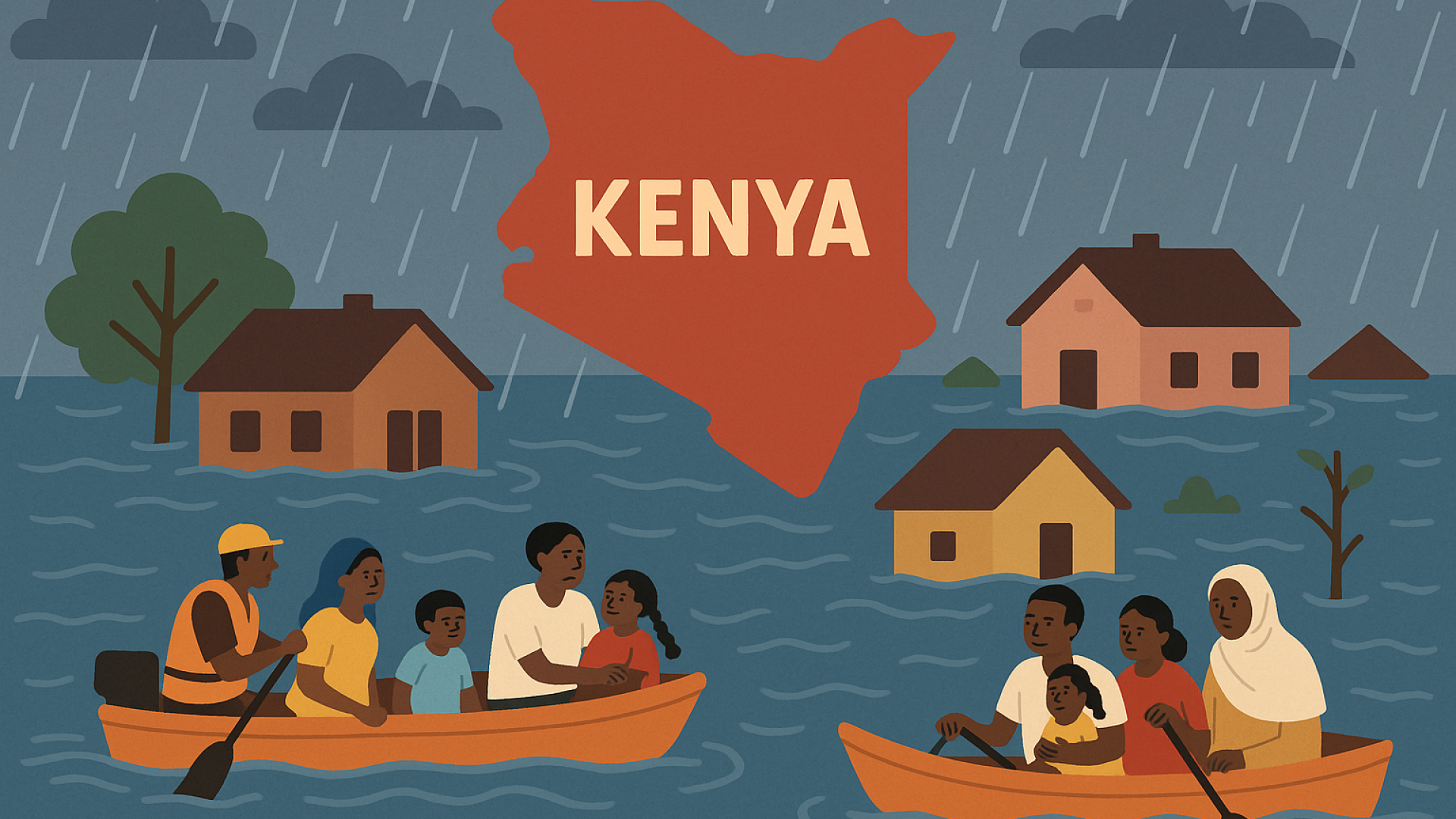
In early March 2026, Kenya has been grappling with severe flooding that has tragically claimed the lives of at least 62 people. The heavy rains, which have continued unabated for several days, have caused widespread destruction across multiple regions, displacing thousands and damaging critical infrastructure. This article provides an in-depth analysis of the flooding event, its underlying causes, the immediate and long-term impacts on communities, and the strategies being employed to address and mitigate such disasters in the future.
Context: Understanding the Flooding Crisis in Kenya
Kenya, located in East Africa, experiences a bimodal rainfall pattern with two rainy seasons: the long rains from March to May and the short rains from October to December. However, in recent years, climate change has intensified weather patterns, leading to more unpredictable and extreme rainfall events. The 2026 flooding is part of this troubling trend, with rainfall volumes exceeding historical averages and overwhelming natural and man-made drainage systems.
The affected areas include parts of western Kenya, the Rift Valley, and coastal regions, where rivers such as the Tana and Nzoia have burst their banks. Urban centers like Nairobi have also experienced flash floods, exacerbated by inadequate drainage infrastructure and rapid urbanization. These floods have not only disrupted daily life but have also exposed vulnerabilities in Kenya's infrastructure and disaster preparedness systems.
The Core of the Crisis: Causes and Consequences
Causes of the Flooding
- Climate Change: Rising global temperatures have increased the intensity and frequency of heavy rainfall events in East Africa. This has led to more severe and prolonged rainy seasons, overwhelming natural waterways and drainage systems.
- Deforestation: Large-scale tree cutting in catchment areas has reduced the land's ability to absorb rainwater, increasing surface runoff. The loss of vegetation cover exacerbates soil erosion and sedimentation in rivers, further reducing their capacity to contain floodwaters.
- Urbanization: Rapid, often unplanned urban growth has led to poor drainage systems and increased impermeable surfaces such as concrete and asphalt. This prevents water from naturally soaking into the ground, causing flash floods in urban areas.
- Topography and Soil Conditions: Some regions have soil types and landscapes that are prone to flooding when saturated. Low-lying areas and river basins are particularly vulnerable to inundation during heavy rains.
Immediate Impacts
- Loss of Life: At least 62 fatalities have been reported, with many more injured or missing. The sudden onset of floods has caught many residents unprepared, leading to tragic outcomes.
- Displacement: Thousands of residents have been forced to evacuate their homes, seeking shelter in temporary camps. These displacement camps often face overcrowding and limited resources, creating additional humanitarian challenges.
- Infrastructure Damage: Roads, bridges, schools, and health facilities have been severely damaged or destroyed. This has disrupted transportation, education, and healthcare services, hampering recovery efforts.
- Agricultural Losses: Floodwaters have inundated farmland, destroying crops and livestock, threatening food security for affected communities. The timing of the floods during the planting season has further jeopardized future harvests.
- Waterborne Diseases: Stagnant water and poor sanitation have increased the risk of diseases such as cholera, malaria, and typhoid. Health authorities have reported a rise in cases, putting additional strain on medical facilities.
Solutions and Response Efforts
Government and Humanitarian Response
The Kenyan government, in collaboration with international aid agencies and local organizations, has mobilized emergency response teams to provide relief to affected populations. Efforts include:
- Evacuation and rescue operations using boats and helicopters in severely flooded areas, prioritizing vulnerable groups such as children, the elderly, and the disabled.
- Provision of emergency shelter, food, clean water, and medical supplies to displaced persons, with a focus on preventing malnutrition and disease outbreaks.
- Deployment of health workers to prevent and control outbreaks of waterborne diseases through vaccination campaigns, distribution of mosquito nets, and public health education.
- Repair and restoration of critical infrastructure to facilitate access and recovery, including rebuilding damaged roads and bridges to reconnect isolated communities.
Long-Term Mitigation Strategies
To reduce the risk and impact of future flooding, Kenya is exploring and implementing several strategies:
- Reforestation and Conservation: Initiatives to restore forests in key catchment areas aim to improve water absorption and reduce runoff. Community-based tree planting programs are being promoted to engage local populations in environmental stewardship.
- Improved Urban Planning: Developing and enforcing regulations to ensure proper drainage systems and limit construction in flood-prone zones. Urban development plans now incorporate flood risk assessments to guide sustainable growth.
- Early Warning Systems: Enhancing meteorological monitoring and community alert systems to provide timely warnings. Mobile technology and local radio broadcasts are being used to disseminate flood alerts to remote areas.
- Community Education: Raising awareness about flood risks and preparedness measures among vulnerable populations through workshops, school programs, and media campaigns. Empowering communities to develop local disaster response plans is a key focus.
- Investment in Infrastructure: Building flood defenses such as levees, dams, and retention basins to control water flow. Upgrading drainage networks in urban areas to handle increased rainfall is also underway.
Challenges and Considerations
Despite these efforts, several challenges hinder effective flood management in Kenya:
- Resource Constraints: Limited financial and technical resources restrict the scale and speed of interventions. Funding gaps delay critical infrastructure projects and limit emergency response capabilities.
- Climate Uncertainty: The unpredictability of weather patterns complicates planning and response. Climate models provide guidance but cannot fully anticipate extreme events, requiring flexible and adaptive strategies.
- Population Growth: Increasing population density in urban and rural areas raises vulnerability. More people living in flood-prone zones increases the potential for loss of life and property damage.
- Coordination: Ensuring effective collaboration among government agencies, NGOs, and communities remains complex. Overlapping mandates and communication gaps can slow response and recovery efforts.
Conclusion
The severe flooding in Kenya in March 2026 underscores the urgent need for comprehensive and sustained efforts to address the growing threat of climate-induced disasters. While immediate humanitarian response is critical to saving lives and alleviating suffering, long-term strategies focusing on environmental conservation, infrastructure development, and community resilience are essential to reduce future risks. Kenya’s experience serves as a cautionary tale for other nations facing similar challenges in an era of climate change, emphasizing the importance of preparedness, adaptation, and international cooperation.
As the rains continue, the resilience and solidarity of Kenyan communities, supported by effective governance and global partnerships, will be vital in overcoming this crisis and building a safer, more sustainable future. Strengthening disaster risk reduction frameworks and investing in climate-smart development are key steps toward safeguarding lives and livelihoods against the increasing threat of floods.