 4 months ago
Introduction
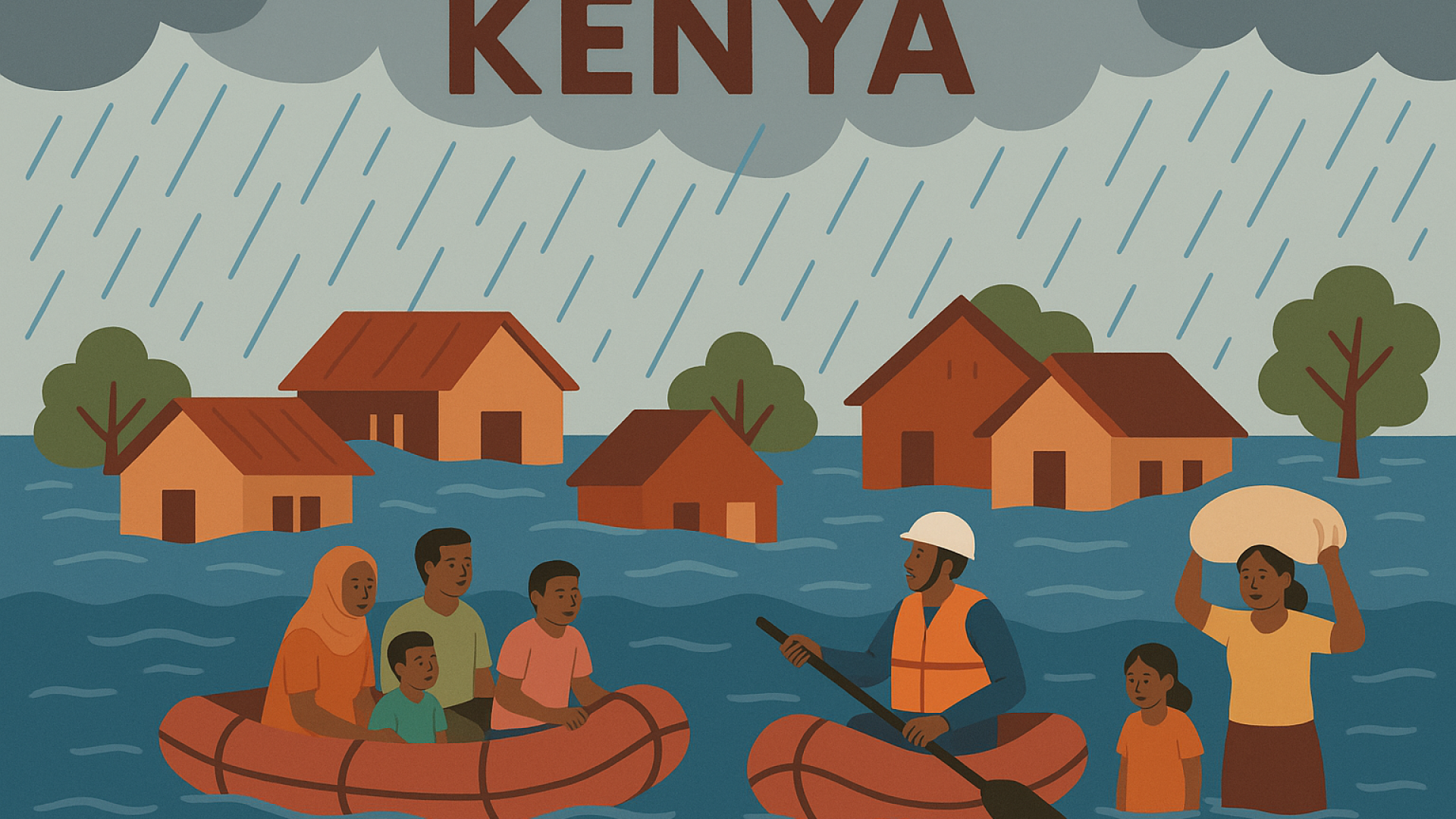
Kenya is currently grappling with one of the most severe flooding events in recent years. Since early March 2026, heavy rains have battered various parts of the country, leading to catastrophic floods that have claimed at least 62 lives. The relentless downpour has not only caused tragic loss of life but also widespread destruction of homes, infrastructure, and agricultural land, exacerbating the challenges faced by vulnerable communities. The scale and intensity of the flooding have overwhelmed local capacities, prompting urgent calls for national and international assistance to address the unfolding humanitarian crisis.
Context: The Climatic and Geographic Factors
Kenya's climate is characterized by two rainy seasons: the long rains from March to May and the short rains from October to December. This year, the long rains have been unusually intense and prolonged, attributed in part to changing weather patterns linked to climate change. The Intergovernmental Panel on Climate Change (IPCC) has noted an increase in extreme weather events in East Africa, including heavier rainfall and flooding, which have become more frequent and severe over the past decade.
Geographically, Kenya's varied terrain includes highlands, plateaus, and low-lying areas prone to flooding. River basins such as the Tana and Athi Rivers have overflowed, inundating surrounding communities and agricultural lands. Urban centers like Nairobi have also experienced flash floods due to inadequate drainage systems combined with heavy precipitation. The rapid urbanization without corresponding infrastructure development has exacerbated the vulnerability of cities to flood events, leading to significant property damage and disruption of daily life.
Moreover, deforestation and land degradation in upstream areas have reduced the land's capacity to absorb rainfall, increasing surface runoff and the likelihood of floods downstream. These environmental changes, coupled with erratic weather patterns, have created a perfect storm for the current flooding crisis.
Core Impact: Human and Economic Toll
The flooding has resulted in at least 62 confirmed deaths, with many more injured or missing. Thousands of families have been displaced, seeking refuge in temporary shelters that are often overcrowded and lacking basic amenities. The humanitarian situation is dire, with urgent needs for food, clean water, sanitation, and medical care. Many displaced persons are living in makeshift camps where the risk of disease outbreaks is high due to poor sanitation and limited access to healthcare services.
Infrastructure damage is extensive and multifaceted. Roads and bridges have been washed away or severely damaged, disrupting transportation and access to essential services such as hospitals and schools. The destruction of key transport routes has hindered relief efforts, making it difficult to deliver aid to affected populations in remote areas. Schools and health facilities have been affected, hindering education and healthcare delivery, which will have long-term consequences on community well-being and development.
The agricultural sector, a backbone of Kenya's economy, has suffered significant losses as crops have been destroyed and livestock displaced or drowned. This has not only affected food security but also the livelihoods of millions of Kenyans who depend on farming and livestock rearing. The loss of crops such as maize, beans, and vegetables threatens to increase food prices and exacerbate poverty in rural areas.
Economic losses are difficult to quantify fully at this stage but are expected to be substantial. The government and international agencies are mobilizing resources to assess and respond to the crisis. Preliminary estimates suggest that the damage to infrastructure, agriculture, and housing could run into hundreds of millions of dollars, placing additional strain on Kenya's economy, which is already facing challenges from global economic pressures.
Government and Community Response
The Kenyan government has declared a state of emergency in the worst-affected counties and is coordinating rescue and relief operations. The National Disaster Operations Centre (NDOC) is working alongside county governments, the Kenya Red Cross, and other humanitarian organizations to provide assistance. Emergency response teams have been deployed to conduct search and rescue missions, evacuate vulnerable populations, and distribute essential supplies.
Efforts include evacuation of vulnerable populations, distribution of food and non-food items, and provision of temporary shelter. Medical teams have been deployed to prevent outbreaks of waterborne diseases such as cholera and typhoid, which often follow flooding events. Vaccination campaigns and health education initiatives are underway to mitigate the risk of epidemics in displaced communities.
Community groups and local volunteers have played a crucial role in rescue operations and supporting displaced families. Their knowledge of local terrain and social networks has been invaluable in reaching isolated areas and providing psychosocial support to affected individuals. However, challenges remain due to the scale of the disaster and ongoing rains that hamper relief efforts. Access to some flood-affected regions remains difficult, and there is an urgent need for additional resources and coordination to scale up the response.
Long-Term Solutions and Preparedness
While immediate response is critical, experts emphasize the need for long-term strategies to mitigate the impact of future floods. These include:
- Improved Infrastructure: Investing in flood-resistant infrastructure, better drainage systems in urban areas, and reinforcement of riverbanks to reduce overflow risks. This also involves upgrading existing roads, bridges, and public facilities to withstand extreme weather events.
- Early Warning Systems: Enhancing meteorological monitoring and community alert systems to provide timely warnings and enable proactive evacuations. Integrating modern technology such as satellite data and mobile communication can improve the accuracy and reach of these systems.
- Land Use Planning: Enforcing regulations to prevent settlement in flood-prone zones and promoting sustainable land management practices. This includes relocating vulnerable communities to safer areas and restoring natural wetlands that act as buffers against floods.
- Climate Adaptation: Integrating climate resilience into national development plans, including support for farmers to adopt flood-tolerant crops and diversified livelihoods. Encouraging agroforestry and soil conservation techniques can also reduce vulnerability to flooding.
- Community Education: Raising awareness about flood risks and preparedness measures to empower communities to respond effectively. Training programs and public campaigns can enhance local capacity for disaster risk reduction.
International cooperation and funding will be essential to support Kenya in implementing these measures, given the increasing frequency and intensity of extreme weather events linked to global climate change. Partnerships with development agencies, climate funds, and regional bodies can provide technical expertise and financial resources necessary for sustainable flood management.
Conclusion
The severe flooding in Kenya in March 2026 is a stark reminder of the growing challenges posed by climate variability and environmental degradation. The tragic loss of life and widespread destruction underscore the urgent need for coordinated efforts to enhance disaster preparedness, response, and resilience. Addressing the immediate humanitarian needs while planning for long-term adaptation is critical to safeguarding communities against future disasters.
As Kenya continues to recover from this disaster, it is imperative that government authorities, civil society, and international partners work together to build a safer and more sustainable future for all Kenyans. Addressing the root causes of flooding and investing in adaptive infrastructure and community resilience will be key to reducing the human and economic toll of such natural disasters in the years ahead. Strengthening institutional frameworks and fostering community engagement will ensure that Kenya is better equipped to face the challenges of a changing climate.