 4 months ago
Introduction
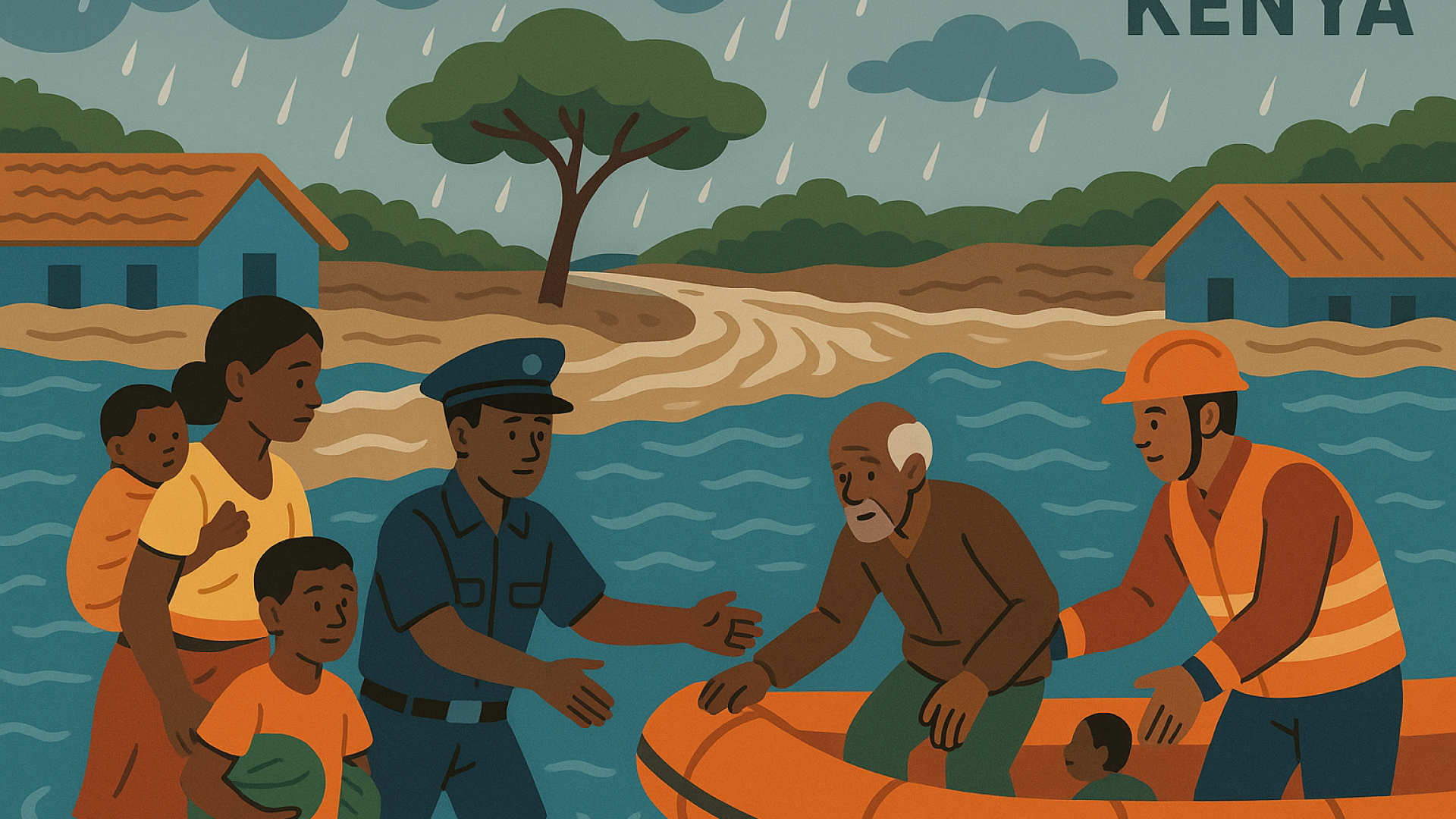
In early March 2026, Kenya has been grappling with severe flooding that has tragically claimed the lives of at least 62 people. The relentless heavy rains have caused rivers to overflow, landslides, and widespread destruction across multiple counties. This natural disaster has not only resulted in significant loss of life but also displaced thousands and disrupted livelihoods, infrastructure, and essential services. The scale and intensity of the flooding have overwhelmed local capacities, prompting urgent calls for national and international assistance to address the mounting humanitarian crisis.
Context: The Climatic and Environmental Backdrop
Kenya’s rainy seasons, typically occurring twice a year—the long rains from March to May and the short rains from October to December—are critical for agriculture, water supply, and ecosystem health. However, this year’s heavy rains have been unusually intense and prolonged, attributed in part to changing climate patterns and the influence of the Indian Ocean Dipole (IOD) phenomenon, which affects sea surface temperatures and atmospheric conditions in the region. A positive IOD phase has led to increased moisture and rainfall over East Africa, exacerbating flood risks.
Environmental degradation, including widespread deforestation, unsustainable agricultural practices, and poor land management, has further exacerbated the flooding. The loss of vegetation cover reduces the land’s ability to absorb and retain water, increasing surface runoff and soil erosion. This has led to sedimentation in rivers and drainage channels, reducing their capacity and increasing the likelihood of overflow. Additionally, rapid urbanization without adequate planning has resulted in inadequate drainage systems in many towns and cities, causing severe waterlogging and urban floods.
Climate scientists warn that such extreme weather events are likely to become more frequent and severe due to global warming, underscoring the urgent need for adaptive measures and sustainable environmental management in Kenya and the broader East African region.
The Core Impact of the Flooding
The flooding has had multifaceted and far-reaching impacts on Kenya’s population, economy, and infrastructure:
- Loss of Life and Injuries: Official reports confirm 62 fatalities, with many more injured or missing. Vulnerable communities, including children, the elderly, and persons with disabilities, have been disproportionately affected. Many deaths have resulted from drowning, collapsing buildings, and landslides triggered by saturated soils.
- Displacement and Shelter Crisis: Thousands of families have been displaced, seeking refuge in temporary camps, schools, churches, or with relatives. Overcrowding and poor sanitation in these camps raise concerns about outbreaks of communicable diseases such as cholera, typhoid, and respiratory infections. The lack of adequate shelter, clean water, and hygiene facilities has compounded the vulnerability of displaced populations.
- Damage to Infrastructure: Roads, bridges, and public utilities have been severely damaged or destroyed, hampering rescue and relief efforts. Key transport corridors have been cut off, isolating some communities. Schools and health facilities have also been affected, disrupting education and healthcare delivery at a time when medical services are urgently needed to treat flood-related injuries and prevent disease outbreaks.
- Agricultural Losses: Floodwaters have inundated vast tracts of farmland, destroying crops such as maize, beans, and vegetables, and killing livestock. This threatens food security and the livelihoods of rural communities dependent on agriculture. The loss of harvests may lead to increased food prices and heightened risk of malnutrition, especially among children.
- Economic Consequences: The floods have disrupted trade and commerce, with many businesses forced to close temporarily or operate at reduced capacity. Markets have been flooded, and supply chains interrupted. The cost of recovery and rebuilding is expected to strain government resources, diverting funds from other development priorities. Insurance coverage is limited, leaving many individuals and businesses vulnerable to financial losses.
Government and Community Response
The Kenyan government has mobilized emergency response teams, including the National Disaster Operations Centre, to coordinate rescue and relief efforts. Military and police units have been deployed to assist with evacuations, maintain order, and provide security in affected areas. The government has also appealed for international aid and support from development partners to bolster relief operations and provide humanitarian assistance to displaced populations.
Local communities and non-governmental organizations (NGOs) have played a vital role in providing immediate assistance, such as food, clean water, medical care, and temporary shelter. Volunteers and community leaders have been instrumental in search and rescue operations, the distribution of relief supplies, and raising awareness about health and safety measures. Faith-based organizations and civil society groups have also contributed resources and manpower to support affected families.
Coordination among various stakeholders remains critical to ensure efficient use of resources and avoid duplication of efforts. The government has emphasized the importance of community participation in recovery planning and resilience-building initiatives.
Challenges in Managing the Crisis
Despite these efforts, several challenges complicate the response and recovery process:
- Accessibility: Flooded and damaged roads limit access to remote and heavily affected areas, delaying aid delivery and evacuation efforts. Some communities remain cut off, increasing their vulnerability and complicating needs assessments.
- Resource Constraints: Limited financial and logistical resources hinder the scale and speed of relief operations. The government faces competing demands for funding, while NGOs and humanitarian agencies grapple with shortages of supplies, personnel, and transport.
- Health Risks: Floodwaters increase the risk of waterborne diseases such as cholera, typhoid, and malaria, straining healthcare facilities already burdened by the COVID-19 pandemic and other endemic illnesses. Poor sanitation and overcrowding in displacement camps exacerbate these risks.
- Long-Term Recovery: Rebuilding infrastructure, restoring livelihoods, and rehabilitating affected ecosystems will require sustained investment, technical expertise, and community engagement. The scale of destruction poses challenges for planning and resource allocation, especially in the context of ongoing climate change.
- Psychosocial Impact: The trauma and stress caused by loss of loved ones, homes, and livelihoods have significant mental health implications. Access to psychosocial support services remains limited in many affected areas.
Potential Solutions and Future Preparedness
Addressing the immediate crisis and reducing future flood risks requires a comprehensive, multi-pronged approach involving government, communities, and international partners:
- Improved Early Warning Systems: Enhancing meteorological monitoring, data collection, and communication infrastructure can provide timely alerts to vulnerable populations. Integrating indigenous knowledge with scientific forecasts can improve community responsiveness.
- Infrastructure Development: Investing in resilient infrastructure, including flood defenses such as levees and retention basins, improved drainage systems, and robust road networks, can mitigate damage and facilitate rapid response. Urban planning should incorporate flood risk assessments to avoid construction in high-risk zones.
- Environmental Conservation: Reforestation, afforestation, and sustainable land management practices can reduce runoff and soil erosion. Protecting wetlands and riparian buffers helps absorb excess water and maintain ecological balance.
- Community Education and Preparedness: Training communities on disaster risk reduction, emergency response, and health and hygiene practices can save lives and reduce vulnerability. Establishing community-based disaster management committees enhances local capacity.
- Policy and Funding: Strengthening disaster management policies, integrating climate adaptation into national development plans, and securing adequate funding for preparedness and response are critical. Public-private partnerships can mobilize additional resources and innovation.
- Health System Strengthening: Enhancing healthcare infrastructure, ensuring availability of essential medicines, and training health workers on managing flood-related diseases are vital to reduce morbidity and mortality.
- Psychosocial Support: Providing mental health services and counseling to affected populations helps address trauma and fosters community resilience.
Conclusion
The severe flooding in Kenya in March 2026 is a stark reminder of the growing challenges posed by climate variability, environmental degradation, and rapid urbanization. While the immediate priority remains saving lives and providing relief to affected communities, long-term strategies must focus on building resilience and sustainability. This includes integrating climate adaptation into national policies, investing in infrastructure and environmental conservation, and empowering communities through education and participation.
Collaborative efforts between government agencies, local communities, NGOs, and international partners will be essential to mitigate the impact of future natural disasters and safeguard Kenya’s development progress. Addressing the root causes of flooding and enhancing preparedness can reduce vulnerability and ensure that Kenya is better equipped to face the increasing threats posed by climate change in the years ahead.