 4 months ago
Introduction
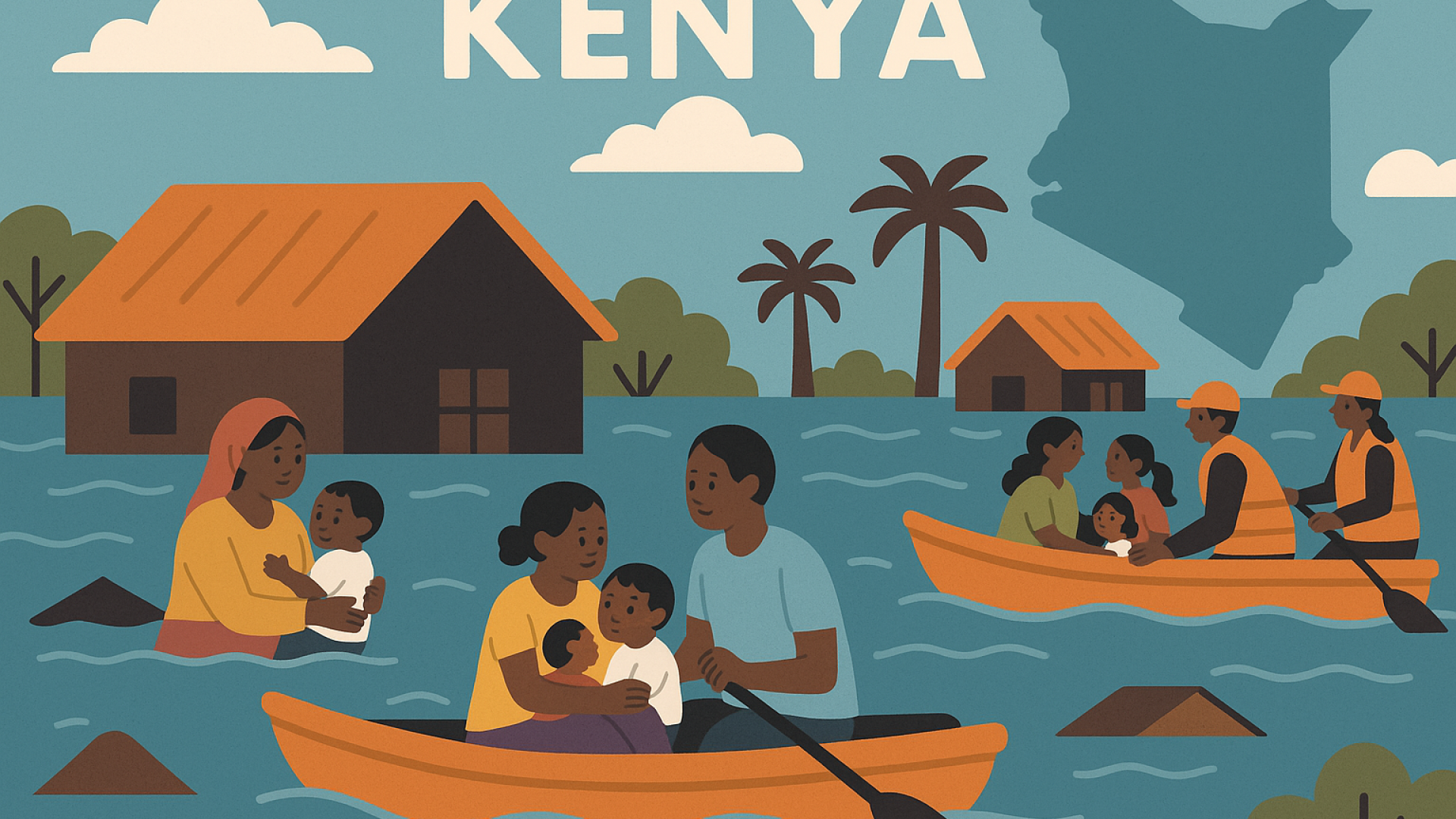
In early March 2026, Kenya has been grappling with one of the most severe flooding events in recent history. Heavy rains have caused rivers to overflow, leading to widespread destruction, loss of life, and displacement of communities. As of March 11, official reports confirm that at least 62 people have died due to the floods, with many more injured or missing. This article provides a comprehensive analysis of the flooding crisis in Kenya, exploring its causes, the immediate and long-term impacts on affected populations, and the efforts underway to mitigate the disaster and support recovery.
Context: Understanding the Flooding in Kenya
Kenya's climate is characterized by two rainy seasons, the long rains typically occurring from March to May and the short rains from October to December. However, in 2026, the long rains have been unusually intense and prolonged, exacerbated by changing climate patterns. Meteorological data indicates that the rainfall levels in several regions have surpassed historical averages, leading to saturated soils and swollen rivers.
Several factors contribute to the severity of the flooding:
- Climate Change: Increasing global temperatures have intensified the hydrological cycle, resulting in heavier and more unpredictable rainfall. This phenomenon has been linked to the increased frequency and intensity of extreme weather events worldwide, including in East Africa.
- Deforestation and Land Use Changes: The removal of vegetation cover in watersheds reduces the land's ability to absorb water, increasing runoff and flood risk. In Kenya, widespread deforestation for agriculture, charcoal production, and urban expansion has significantly degraded natural buffers against flooding.
- Urbanization: Rapid urban growth without adequate drainage infrastructure has led to water accumulation in cities and towns. Informal settlements, often located in flood-prone areas, are particularly vulnerable due to poor housing and lack of sanitation facilities.
- Topography and River Systems: Kenya's varied terrain, including the Rift Valley and numerous river basins, can channel floodwaters into vulnerable areas. The complex network of rivers such as the Tana, Athi, and Nzoia can overflow during heavy rains, inundating adjacent communities.
The Core Impact of the Floods
The flooding has had devastating consequences across multiple dimensions, affecting human lives, infrastructure, the economy, and public health.
Human Casualties and Displacement
At least 62 fatalities have been reported, with many more injured. The floods have swept away homes and infrastructure, leaving thousands of families displaced. Many have sought refuge in temporary camps, schools, or with relatives, often in overcrowded and unsanitary conditions. The displacement has heightened vulnerability to disease outbreaks, malnutrition, and psychological trauma, particularly among children and the elderly. Additionally, missing persons remain unaccounted for in some regions, raising concerns about further casualties.
Infrastructure Damage
Floodwaters have destroyed homes, schools, health facilities, roads, and bridges, severely disrupting daily life and essential services. In some counties, entire villages have been submerged, forcing the evacuation of residents. The damage to infrastructure has hindered relief efforts, with some areas becoming inaccessible due to washed-out roads and collapsed bridges. Communication networks have been severed in several locations, complicating coordination between government agencies, humanitarian organizations, and affected communities.
Agricultural and Economic Losses
Kenya's economy, heavily reliant on agriculture, has suffered significant setbacks. Flooding has submerged vast tracts of farmland, destroying crops such as maize, beans, and vegetables. Livestock losses have also been reported, with many animals drowned or displaced. The erosion of fertile topsoil further threatens future agricultural productivity. These losses jeopardize food security for millions and undermine the livelihoods of rural communities dependent on farming and livestock rearing. The economic impact extends beyond agriculture, affecting trade, transportation, and local businesses.
Health Risks
Flood conditions increase the risk of waterborne diseases such as cholera, typhoid, and dysentery due to contamination of drinking water sources. Stagnant water creates breeding grounds for mosquitoes, raising concerns about malaria and other vector-borne illnesses. Health facilities damaged or overwhelmed by the crisis struggle to provide adequate care, exacerbating public health challenges. Malnutrition rates may rise as food supplies dwindle and access to healthcare diminishes. Mental health issues, including stress and trauma related to loss and displacement, are also emerging concerns.
Response and Solutions
Government and Humanitarian Response
The Kenyan government has declared a state of emergency in the worst-affected counties and mobilized resources for rescue and relief operations. National and county authorities are working closely with international organizations such as the United Nations, Red Cross, and various NGOs to provide food, clean water, medical care, and temporary shelter. Emergency response teams have been deployed to conduct search and rescue missions, distribute relief supplies, and restore critical infrastructure. Efforts are also underway to improve early warning systems and disaster preparedness to reduce future risks.
Community Engagement and Resilience Building
Local communities have played a critical role in rescue efforts and in supporting displaced families. Community-based early warning systems and disaster preparedness programs are being strengthened to improve resilience against future floods. Training and awareness campaigns aim to equip residents with knowledge on evacuation procedures, hygiene practices, and emergency response. Community leaders and volunteers are instrumental in coordinating relief activities and ensuring vulnerable groups receive assistance. Empowering communities to participate in decision-making fosters ownership and sustainability of resilience initiatives.
Infrastructure and Environmental Management
Long-term solutions focus on improving flood management infrastructure, including:
- Constructing and maintaining levees, dams, and drainage systems to control water flow and reduce flooding in vulnerable areas.
- Reforestation and watershed restoration to enhance natural water absorption and stabilize soils, thereby reducing runoff and erosion.
- Implementing sustainable urban planning with adequate drainage to manage stormwater effectively, especially in rapidly growing urban centers.
These measures require coordinated planning, investment, and maintenance to be effective. Integrating traditional knowledge with modern engineering can enhance the design and acceptance of flood mitigation infrastructure.
Climate Adaptation Strategies
Kenya is increasingly integrating climate adaptation into national development plans. This includes investing in climate-resilient agriculture, such as drought-tolerant crop varieties and improved irrigation techniques, to reduce vulnerability to erratic weather patterns. Enhancing meteorological services and early warning systems enables timely dissemination of weather forecasts and hazard alerts. Policies aimed at reducing greenhouse gas emissions and promoting renewable energy sources contribute to global efforts to mitigate climate change. International partnerships and funding support Kenya's adaptation initiatives, recognizing the disproportionate impact of climate change on developing countries.
Conclusion
The severe flooding in Kenya in March 2026 underscores the urgent need for comprehensive approaches to disaster risk reduction and climate adaptation. While immediate humanitarian assistance is critical to save lives and alleviate suffering, long-term strategies must address the underlying causes of vulnerability. Strengthening infrastructure, protecting the environment, and empowering communities are essential steps toward building resilience. International cooperation and sustained investment will be vital to support Kenya and other vulnerable countries in facing the growing challenges posed by climate change and extreme weather events.
As the situation evolves, continued monitoring, transparent reporting, and inclusive dialogue will help ensure that responses are effective and equitable. The lessons learned from this crisis can inform global efforts to mitigate the impacts of natural disasters and safeguard the well-being of millions. It is imperative that governments, civil society, and the international community work collaboratively to build a safer, more resilient future for Kenya and the broader East African region.