 5 months ago
On March 12, 2026, global oil markets experienced renewed volatility following a targeted U.S. military strike on a critical Iranian oil export hub. This development has intensified concerns about the stability of oil supplies, the geopolitical landscape in the Middle East, and the broader implications for global energy security. The strike has not only disrupted immediate supply chains but also heightened fears of a prolonged conflict that could destabilize one of the world's most vital energy corridors.
Context: The Strategic Importance of Iran's Oil Infrastructure
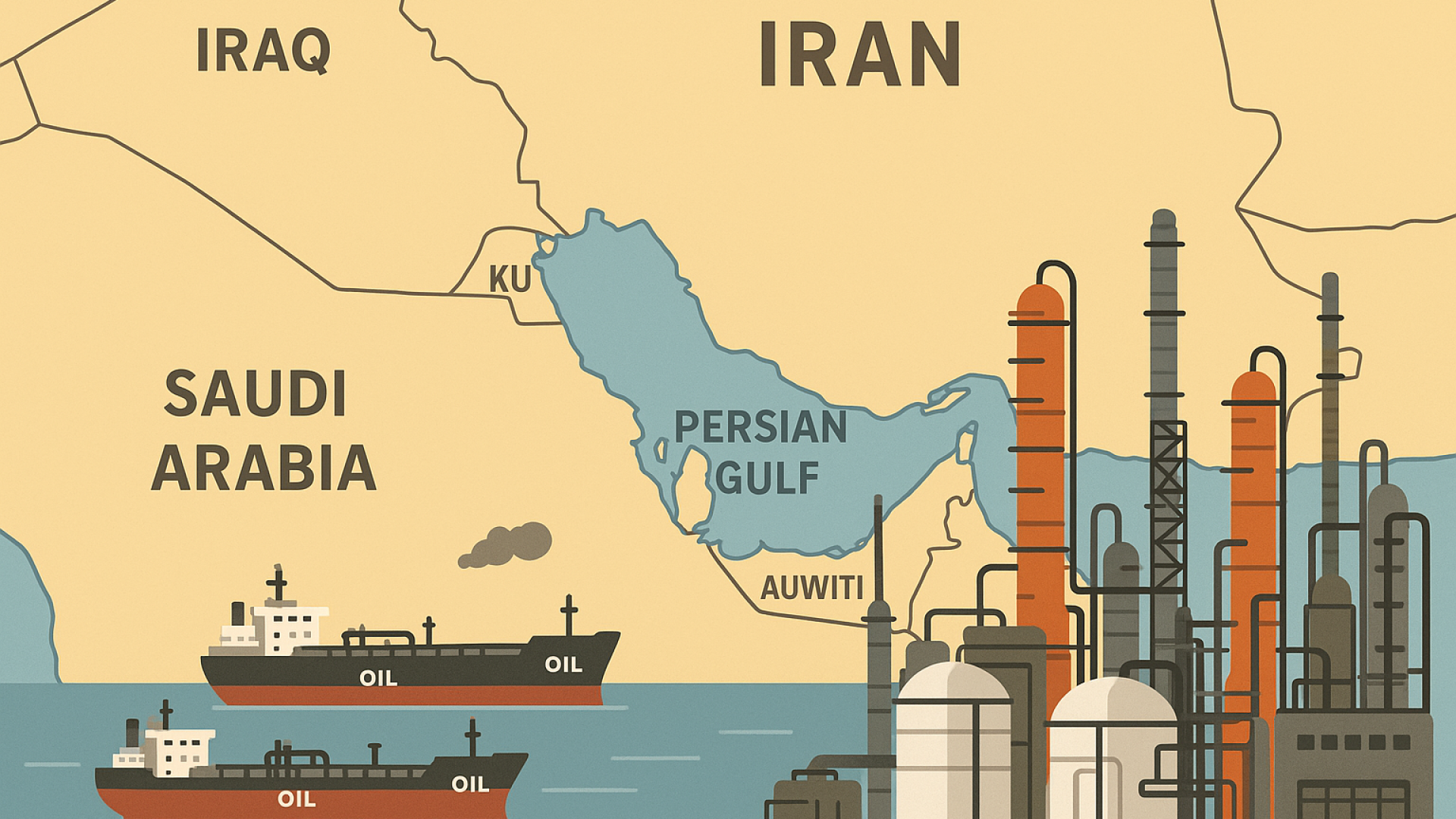
Iran holds one of the world's largest proven oil reserves, estimated at approximately 157 billion barrels, making it a pivotal player in the global energy market. Its export hubs, particularly those located along the Persian Gulf, serve as vital conduits for crude oil shipments to international markets. The Strait of Hormuz, adjacent to many of these facilities, is a strategic chokepoint through which nearly 20% of the world's petroleum passes daily. Any disruption to these facilities or the shipping lanes can have immediate and far-reaching effects on oil prices and global supply chains.
In recent years, tensions between the United States and Iran have fluctuated, influenced by diplomatic negotiations, sanctions, and regional conflicts. The U.S. has maintained a policy aimed at curbing Iran's nuclear ambitions and limiting its influence in the Middle East, often through economic sanctions and military posturing. These measures have included restrictions on Iran's oil exports, which have historically been a major source of revenue for the Iranian government. The recent strike represents a significant escalation in this ongoing strategic contest.
The Incident: Details of the U.S. Strike
According to official statements, the U.S. military conducted a precision strike targeting an Iranian oil export hub located near the Strait of Hormuz. This hub is a critical node in Iran's oil export infrastructure, facilitating the loading and shipment of crude oil to global markets. The strike aimed to degrade Iran's ability to export crude oil, which the U.S. alleges is linked to funding activities deemed destabilizing in the region, including support for proxy groups and military operations that threaten U.S. interests and allies.
While the U.S. government has emphasized that the strike was carefully calibrated to avoid civilian casualties and broader escalation, Iranian officials have condemned the action as an act of aggression, vowing retaliation. Iranian military commanders have issued statements warning of potential counterstrikes against U.S. assets in the region, raising fears of a wider military confrontation. The strike has prompted immediate concern among global markets and policymakers about the potential for further conflict and disruption to energy supplies.
Impact on Global Oil Markets
The immediate aftermath of the strike saw a sharp increase in crude oil prices, with Brent crude rising by over 7% within hours of the news breaking. This price surge reflects fears of supply shortages and heightened geopolitical risk. Traders and analysts are closely monitoring the situation, as any prolonged disruption to Iranian exports could tighten global supply, especially amid ongoing demand recovery following the COVID-19 pandemic and increased industrial activity worldwide.
Energy-importing countries are particularly vulnerable to price spikes, which can translate into higher costs for transportation, manufacturing, and consumer goods. For developing economies reliant on imported fuel, these increases could exacerbate inflationary pressures and economic instability. Conversely, oil-producing nations outside Iran may experience increased revenues due to higher prices but also face uncertainty regarding market stability and potential retaliatory actions that could affect their own exports.
Furthermore, the strike has prompted some countries to reassess their strategic petroleum reserves and supply chain resilience. Nations such as Japan, South Korea, and several European countries have begun exploring alternative supply routes and increasing stockpiles to buffer against potential disruptions. The incident has also accelerated discussions around energy diversification and the transition to renewable sources as a means to reduce dependence on geopolitically sensitive fossil fuels.
Geopolitical Ramifications
The strike has escalated tensions not only between the U.S. and Iran but also among regional actors and global powers with vested interests in Middle Eastern stability. Countries such as Saudi Arabia, the United Arab Emirates, and Israel are closely watching developments, balancing their security concerns with economic interests. Saudi Arabia and the UAE, as major oil producers and U.S. allies, have expressed cautious support for measures aimed at curbing Iran's regional influence but have also urged restraint to avoid a broader conflict that could disrupt global markets.
Moreover, global powers including China, Russia, and the European Union have called for restraint and dialogue, emphasizing the importance of maintaining open shipping lanes and avoiding military escalation. China and Russia, which maintain strategic partnerships with Iran, have condemned the strike as a violation of international law and warned against unilateral actions that could destabilize the region. The European Union has advocated for renewed diplomatic engagement, highlighting the risks that conflict poses to energy security and global economic recovery.
The incident underscores the fragile balance of power in the region and the risks inherent in energy geopolitics. It also highlights the complex web of alliances and rivalries that shape Middle Eastern dynamics, where energy resources are both a source of wealth and a potential flashpoint for conflict.
Potential Solutions and Diplomatic Efforts
In response to the crisis, international diplomatic channels are reportedly engaging in efforts to de-escalate tensions. The United Nations and several neutral countries have offered to mediate talks between the U.S. and Iran. Calls for renewed negotiations on Iran's nuclear program and regional security arrangements have gained urgency, with some analysts suggesting that a comprehensive multilateral framework involving key stakeholders could help stabilize the situation and secure energy supplies.
Efforts are also underway to strengthen mechanisms for conflict prevention in the Strait of Hormuz, including proposals for enhanced maritime security cooperation and confidence-building measures among regional navies. These initiatives aim to ensure the safe passage of commercial vessels and reduce the risk of accidental clashes that could escalate into broader hostilities.
On the economic front, countries are exploring strategic petroleum reserves and alternative supply routes to mitigate potential shortages. Investments in renewable energy and diversification of energy sources continue to be highlighted as long-term strategies to reduce vulnerability to geopolitical shocks. The crisis has renewed interest in accelerating the global energy transition, with governments and private sector actors recognizing the strategic imperative of reducing reliance on fossil fuels from volatile regions.
Looking Ahead: Navigating Uncertainty in Energy Markets
The U.S. strike on Iran's oil export hub marks a significant moment in the ongoing interplay between geopolitics and energy markets. While immediate volatility is expected to persist, the broader implications will depend on the responses of regional actors, the effectiveness of diplomatic efforts, and global economic conditions. Market participants will be closely watching indicators such as Iranian export volumes, regional military activity, and international diplomatic developments to gauge the trajectory of the crisis.
For policymakers, businesses, and consumers alike, this event serves as a reminder of the interconnectedness of security and energy. Building resilience through diversified energy portfolios, robust diplomatic engagement, and strategic planning will be essential to navigating the challenges ahead. The incident also underscores the importance of international cooperation in managing shared resources and mitigating risks that transcend national borders.
As the situation evolves, Kincaimedia will continue to provide in-depth analysis and updates on the developments shaping the global energy landscape, offering insights into market trends, geopolitical shifts, and policy responses that will influence the future of energy security worldwide.