 5 months ago
Introduction
On March 15, 2026, global energy markets remain on edge as tensions in the Strait of Hormuz continue to disrupt the flow of oil, a critical artery for the world’s energy supply. The U.S. Energy Secretary recently emphasized the uncertainty surrounding oil prices amid this instability, highlighting the precarious balance between geopolitical risks and economic realities. This article explores the context of the current situation, the core challenges faced by the United States and global markets, potential solutions, and the broader implications for international relations and economic stability.
Context: The Strategic Importance of the Strait of Hormuz
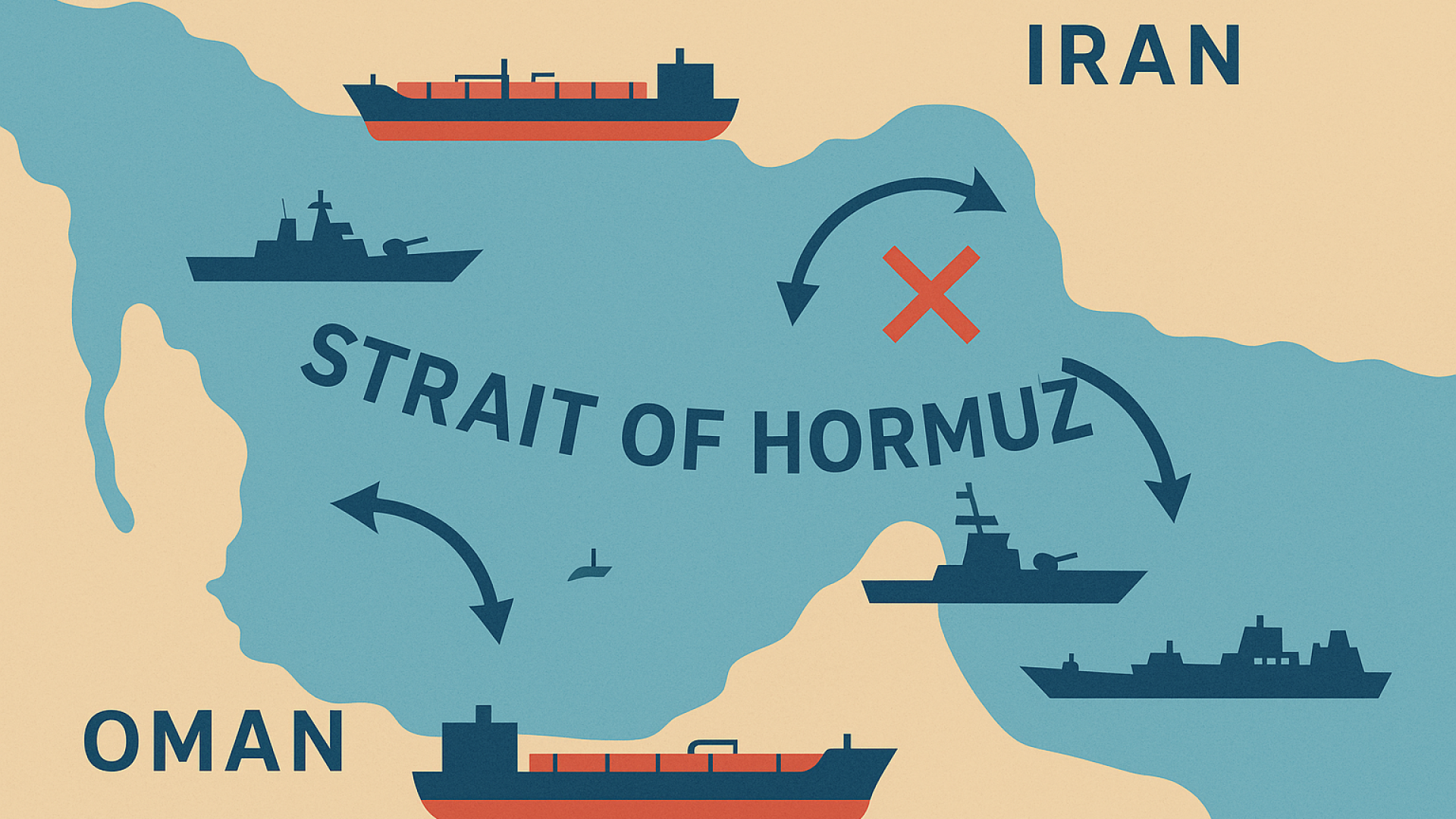
The Strait of Hormuz is a narrow waterway between the Persian Gulf and the Gulf of Oman, serving as a vital chokepoint through which approximately 20% of the world’s petroleum passes. Its strategic significance cannot be overstated, as disruptions here can ripple across global energy markets, affecting prices and supply chains worldwide.
In recent years, heightened tensions between Iran and Western powers, particularly the United States, have led to increased military presence and occasional confrontations in the region. These tensions have been exacerbated by sanctions, political rhetoric, and proxy conflicts, creating an environment where the risk of escalation remains high. The Strait’s geographic and geopolitical importance means that any instability here has immediate and far-reaching consequences, not only for regional actors but also for global energy consumers and markets.
Moreover, the Strait of Hormuz is not only a conduit for crude oil but also for liquefied natural gas (LNG), making it a critical passage for multiple forms of energy. The vulnerability of this narrow maritime corridor to blockades, attacks, or accidents has been a persistent concern for decades, prompting international efforts to ensure freedom of navigation and secure energy supplies.
Core Challenges: Energy Security and Economic Volatility
The U.S. Energy Secretary’s statement that there are "no guarantees on oil prices" reflects the complex challenges facing policymakers. Several key issues underpin this uncertainty:
- Geopolitical Risks: The potential for conflict or sabotage in the Strait threatens to disrupt oil shipments, leading to supply shortages and price spikes. The region’s volatility is fueled by longstanding political disputes, military posturing, and the presence of non-state actors, all of which increase the risk of sudden escalations.
- Market Volatility: Oil markets are highly sensitive to geopolitical news, and even rumors can trigger rapid price fluctuations, complicating planning for businesses and governments. This volatility undermines market confidence and can lead to speculative trading, further exacerbating price swings.
- Energy Transition Pressures: While the global push toward renewable energy continues, oil remains a dominant energy source, making short-term disruptions particularly impactful. The transition to cleaner energy is uneven across regions, and many economies still rely heavily on oil imports, making them vulnerable to supply shocks.
- Economic Implications: Higher oil prices can fuel inflation, slow economic growth, and exacerbate stagflation risks, especially in economies heavily reliant on energy imports. Rising energy costs increase production expenses, reduce consumer spending power, and can trigger broader economic instability.
Additionally, the unpredictability of oil prices complicates fiscal planning for governments and investment decisions for energy companies. Countries with limited energy diversification face heightened risks, and global supply chain disruptions can affect industries far beyond the energy sector.
Potential Solutions and Strategic Responses
Addressing the challenges posed by instability in the Strait of Hormuz requires a multifaceted approach involving diplomatic, military, economic, and technological strategies.
Diplomatic Engagement and Conflict De-escalation
Efforts to reduce tensions through dialogue and negotiation remain critical. Engaging regional actors, including Iran and Gulf Cooperation Council members, in diplomatic initiatives can help build confidence and reduce the risk of conflict. Multilateral forums and back-channel communications may facilitate agreements on maritime security and freedom of navigation. Confidence-building measures, such as joint naval exercises and communication hotlines, can also help prevent misunderstandings and accidental confrontations.
Furthermore, international organizations like the United Nations and the International Maritime Organization can play a role in mediating disputes and promoting adherence to international maritime law. The involvement of global powers in diplomatic efforts is essential to balance competing interests and foster a stable security environment.
Strengthening Energy Infrastructure and Diversification
To mitigate the impact of potential disruptions, countries and companies are investing in alternative supply routes and energy sources. This includes expanding pipeline networks that bypass vulnerable chokepoints, increasing strategic petroleum reserves, and accelerating the adoption of renewable energy technologies to reduce dependence on oil.
For example, projects such as pipelines through neighboring countries or the development of liquefied natural gas terminals provide alternative pathways for energy transport. Enhancing energy storage capabilities and improving energy efficiency also contribute to resilience. Diversification of energy imports and suppliers reduces the risk associated with over-reliance on any single route or source.
Enhancing Military Presence and Security Measures
The U.S. and its allies continue to maintain a robust naval presence in the region to deter hostile actions and ensure safe passage for commercial vessels. This includes coordinated patrols, surveillance, and rapid response capabilities. Naval coalitions and partnerships with regional navies enhance situational awareness and operational effectiveness.
However, military measures carry risks of escalation and must be balanced with diplomatic efforts. The presence of foreign military forces can be perceived as provocative, potentially increasing tensions. Therefore, transparency, clear rules of engagement, and communication channels are vital to prevent incidents.
Market Mechanisms and Economic Policies
Governments and international organizations can employ strategic reserves releases, financial instruments such as futures contracts, and coordinated policy responses to stabilize markets. Strategic petroleum reserves act as buffers during supply disruptions, helping to moderate price spikes.
Financial tools enable market participants to hedge risks and provide liquidity, reducing volatility. Coordinated policy responses, including communication strategies and regulatory measures, can prevent panic and speculative excesses. Additionally, promoting energy conservation and demand management during crises can alleviate pressure on supply.
Broader Implications: Global Energy and Economic Stability
The instability in the Strait of Hormuz is emblematic of broader challenges facing the global energy landscape. It underscores the vulnerability of supply chains to geopolitical shocks and the interconnectedness of energy security with economic and political stability.
For the United States, balancing energy security with diplomatic relations in the Middle East remains a delicate task. The situation also highlights the urgency of accelerating energy transition efforts to build resilience against future disruptions. Investing in renewable energy, energy storage, and smart grid technologies can reduce dependence on volatile fossil fuel markets.
On a global scale, countries must collaborate to ensure maritime security, promote sustainable energy policies, and prepare for economic contingencies. International cooperation is essential to manage shared risks and foster stability. The evolving dynamics in the Strait of Hormuz serve as a reminder of the complex interplay between geopolitics and the global economy.
Moreover, the current tensions have prompted renewed discussions on energy diplomacy, emphasizing the need for integrated approaches that consider environmental, economic, and security dimensions. The transition to a more sustainable and secure energy future requires coordinated action across sectors and borders.
Conclusion
As of March 2026, the uncertainty surrounding oil prices amid Strait of Hormuz instability presents significant challenges for policymakers, businesses, and consumers worldwide. The U.S. Energy Secretary’s candid acknowledgment of this uncertainty calls for a comprehensive and coordinated response that integrates diplomacy, security, infrastructure investment, and market management.
Ultimately, navigating this period of volatility requires not only immediate tactical measures but also long-term strategic vision to enhance energy resilience and foster international cooperation. The lessons learned from the current tensions will shape the future of global energy security and economic stability for years to come.