 5 months ago
Introduction
On March 14, 2026, global energy markets remain on edge as tensions in the Strait of Hormuz continue to unsettle the delicate balance of oil supply and demand. The Strait, a critical chokepoint through which a significant portion of the world's petroleum passes, has recently witnessed renewed instability, prompting urgent responses from international stakeholders. U.S. Energy Secretary's recent statements underscore the uncertainty surrounding oil prices, emphasizing that no guarantees can be made amid the ongoing geopolitical volatility.
This renewed volatility has reignited concerns not only about immediate supply disruptions but also about the broader implications for global energy security and economic stability. As the world becomes increasingly interconnected, the ripple effects of instability in one region can quickly cascade across continents, affecting everything from fuel prices at the pump to the cost of goods and services worldwide.
Context: The Strait of Hormuz and Its Global Significance
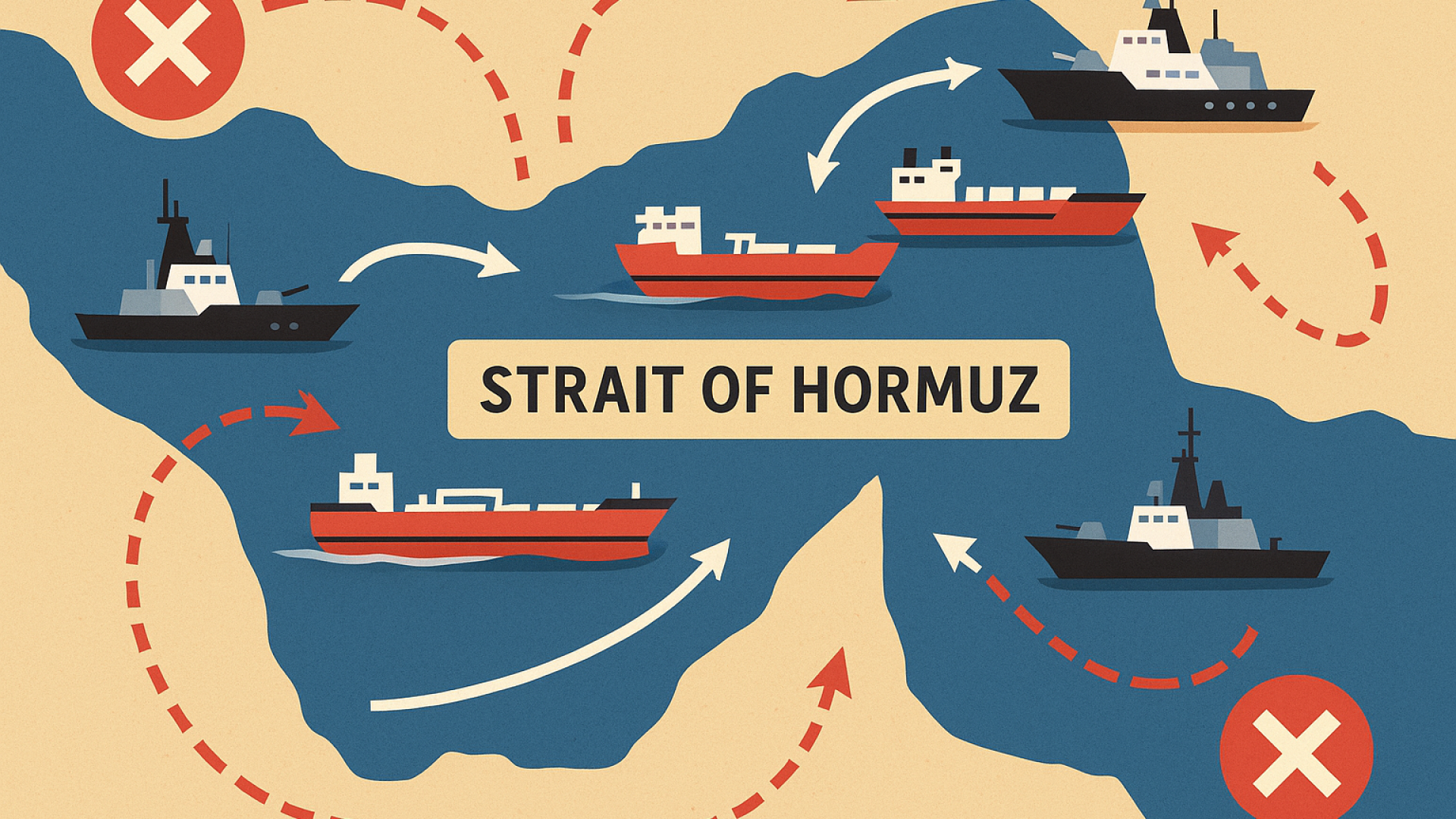
The Strait of Hormuz is a narrow waterway between the Persian Gulf and the Gulf of Oman, serving as a vital artery for global energy transportation. Approximately 20% of the world's petroleum, including nearly a third of seaborne oil trade, transits this passage daily. Any disruption here has historically led to immediate ripples across global energy markets, affecting prices, supply chains, and economic stability worldwide.
Given its strategic importance, the Strait has long been a focal point of geopolitical tension. The waterway's narrowness—just 21 miles at its narrowest point—makes it particularly vulnerable to blockades, military confrontations, or accidents that could severely restrict the flow of oil. This vulnerability has made the Strait a flashpoint in regional and international power struggles for decades.
Recent months have seen escalating tensions between Iran and various international actors, including the United States, over regional security, nuclear ambitions, and maritime navigation rights. These tensions have manifested in increased military presence, occasional confrontations, and heightened rhetoric, all contributing to an atmosphere of uncertainty. Iran's strategic posture in the region, combined with its capacity to influence shipping lanes, has amplified concerns about potential disruptions.
Moreover, the geopolitical landscape surrounding the Strait is complicated by the involvement of multiple regional and global powers, each with their own interests and alliances. The Gulf Cooperation Council (GCC) countries, Russia, China, and the European Union all play roles in shaping the dynamics of this critical region, making any resolution complex and multifaceted.
Core Issues: Energy Security and Market Volatility
In this volatile environment, the U.S. Energy Secretary's remarks highlight a critical reality: the unpredictability of oil prices amid geopolitical instability. While the U.S. and its allies have strategic reserves and diversified energy sources, the global market remains vulnerable to supply shocks. The Secretary's cautionary stance reflects the challenges policymakers face in balancing immediate energy needs with long-term security considerations.
Energy security is not merely about ensuring adequate supply; it also encompasses the stability and resilience of energy systems against disruptions. The Strait of Hormuz's instability threatens this security by introducing risks that can trigger rapid price fluctuations and supply uncertainties. These risks complicate planning for governments, businesses, and consumers alike.
Market analysts note that oil prices have experienced wild swings in recent weeks, influenced by both real and perceived threats to supply. Traders react not only to physical disruptions but also to geopolitical signals, making the market highly sensitive to news and diplomatic developments. This sensitivity can lead to speculative trading, further amplifying price volatility.
Additionally, the unpredictability affects investment decisions in the energy sector. Companies may hesitate to commit capital to exploration, production, or infrastructure projects in uncertain environments, potentially constraining future supply and exacerbating long-term vulnerabilities.
Potential Solutions and Strategic Responses
Addressing the multifaceted challenges posed by the Strait of Hormuz instability requires a combination of diplomatic, military, and economic strategies:
- Diplomatic Engagement: Renewed dialogue between Iran and international stakeholders could reduce tensions. Multilateral talks focusing on maritime security, nuclear non-proliferation, and regional cooperation may pave the way for de-escalation. Confidence-building measures, such as transparency in naval operations and agreements on safe passage, could help lower the risk of misunderstandings or accidental confrontations.
- Energy Diversification: Accelerating the transition to alternative energy sources and increasing domestic production can reduce reliance on vulnerable chokepoints. Investments in renewables, nuclear energy, and energy efficiency are critical components. By broadening the energy mix, countries can mitigate the impact of disruptions in any single supply route or source.
- Strategic Reserves and Alliances: Maintaining and potentially expanding strategic petroleum reserves provides a buffer against supply disruptions. Strengthening alliances with Gulf Cooperation Council (GCC) countries and other partners enhances collective security and intelligence sharing. Joint contingency planning and coordinated responses can improve resilience against crises.
- Maritime Security Operations: Coordinated naval patrols and freedom of navigation operations can deter aggressive actions and ensure safe passage for commercial vessels. International cooperation in maritime security can help uphold international law and reduce the risk of unilateral actions that escalate tensions.
Furthermore, technological advancements such as improved surveillance, early warning systems, and alternative shipping routes (where feasible) can contribute to mitigating risks associated with the Strait. Investment in infrastructure that allows for the transport of oil and gas via pipelines bypassing the Strait could also be explored as a long-term strategy.
Broader Economic and Geopolitical Implications
The instability in the Strait of Hormuz extends beyond energy markets, influencing global economic forecasts and geopolitical alignments. Economists warn of the risk of stagflation—a combination of stagnant economic growth and inflation—if energy prices remain volatile or spike sharply. Such conditions could strain consumer spending, disrupt manufacturing, and complicate monetary policy decisions.
Higher energy costs tend to increase production and transportation expenses, which can be passed on to consumers in the form of higher prices for goods and services. This inflationary pressure, combined with slower economic growth due to uncertainty and reduced investment, creates a challenging environment for policymakers.
Geopolitically, the situation tests the resilience of international institutions and alliances. The U.S.'s approach to securing the Strait and managing relations with Iran will have lasting effects on regional stability, global trade routes, and diplomatic norms. How the international community responds could redefine power balances in the Middle East and influence global energy governance frameworks.
Moreover, the tensions highlight the interconnectedness of energy security with broader issues such as nuclear non-proliferation, regional conflicts, and international law. The Strait of Hormuz serves as a microcosm of the complex challenges facing the 21st-century global order, where energy resources, security concerns, and diplomacy intersect.
Conclusion
As of mid-March 2026, the situation in the Strait of Hormuz remains fluid and fraught with uncertainty. The U.S. Energy Secretary's acknowledgment of the unpredictability of oil prices serves as a sober reminder of the complex interplay between geopolitics and energy security. Moving forward, a balanced approach combining diplomacy, strategic planning, and innovation in energy policy will be essential to mitigate risks and ensure stability for global markets and economies.
Stakeholders worldwide must remain vigilant and adaptable, recognizing that the challenges posed by the Strait of Hormuz are emblematic of broader shifts in international relations and energy dynamics in the 21st century. Collaborative efforts that integrate security, economic, and environmental considerations will be vital in navigating this uncertain landscape and securing a more stable energy future for all.