 4 months ago
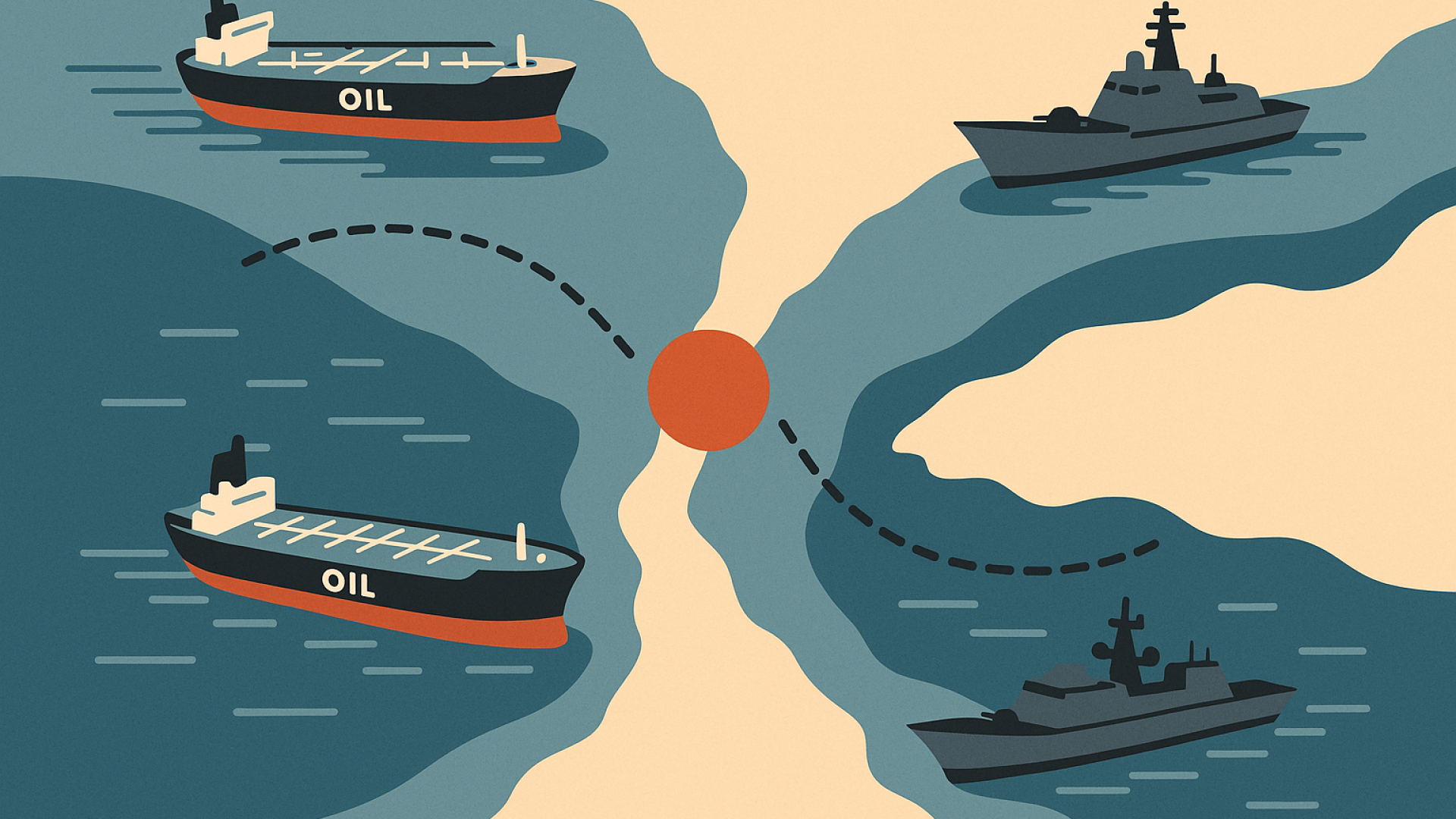
The Strait of Hormuz, a narrow but critically important waterway connecting the Persian Gulf with the Gulf of Oman and the Arabian Sea, continues to be one of the most strategically significant chokepoints for global oil transportation. In early 2026, escalating geopolitical tensions in this region have once again thrust energy security and economic stability into the international spotlight. The U.S. Energy Secretary recently underscored the uncertainty surrounding oil prices amid these developments, highlighting the intricate and multifaceted challenges that arise at the intersection of international diplomacy, energy markets, and national security.
Context: The Strategic Importance of the Strait of Hormuz
Approximately 20% of the world's petroleum exports transit through the Strait of Hormuz, making it an indispensable artery for global energy supplies. The countries bordering the Gulf region—including Saudi Arabia, Iran, Iraq, Kuwait, and the United Arab Emirates—are heavily reliant on this narrow maritime passage to export crude oil and natural gas to global markets. Given the volume and value of energy resources passing through this corridor, any disruption—whether due to conflict, accidents, or political maneuvering—can have immediate and far-reaching consequences for global energy markets and economic stability worldwide.
Historically, the Strait of Hormuz has been a flashpoint for regional conflicts and international tensions. Iran, in particular, has leveraged its geographic position to exert influence over the passage, occasionally threatening to close or restrict transit in response to political pressures, sanctions, or military provocations. These threats have often been used as strategic tools to gain leverage in diplomatic negotiations or to signal discontent with foreign policies. The recent instability observed in 2026 has revived longstanding concerns about the security of energy shipments and the potential for sudden supply shocks that could ripple through global markets.
Current Developments and Their Implications
In March 2026, intelligence reports and media coverage highlighted increased military activity and confrontations near the Strait of Hormuz. These developments have heightened fears of potential disruptions to oil exports from the Gulf region. In response, the U.S. Energy Secretary issued a candid statement acknowledging the unpredictability of oil prices given the volatile situation, cautioning that there are no guarantees on price stability in the near term. This frank admission reflects the broader uncertainty facing policymakers, market participants, and consumers alike.
Oil prices are influenced by a complex interplay of factors, including geopolitical risks, production levels from major exporters, global demand trends, and the ongoing energy transition toward renewable sources. The instability in the Strait of Hormuz adds a significant layer of risk that complicates forecasting and strategic planning. Market participants must now navigate a landscape where supply disruptions could occur suddenly, and where price volatility may become more pronounced, impacting everything from consumer fuel costs to industrial production expenses.
Economic and Market Impact
The potential for supply disruptions in the Strait of Hormuz carries immediate and tangible implications for global oil prices. Historically, even rumors or threats of closure have triggered sharp price spikes, reflecting the market's sensitivity to supply risks. For economies heavily dependent on oil imports, such volatility can translate into inflationary pressures, increased production costs, and broader economic uncertainty that may slow growth or exacerbate social tensions.
In the United States, the energy sector is closely monitored for signs of how international developments might affect domestic markets. While the U.S. has made significant strides toward energy independence in recent years—largely due to advances in shale oil and gas production—it remains integrated with global markets. Price shocks originating from geopolitical tensions can influence gasoline prices at the pump, heating costs, and manufacturing expenses, thereby affecting consumers and businesses alike.
Financial markets also respond dynamically to geopolitical risks. During periods of heightened uncertainty, investors often seek safe-haven assets such as gold, government bonds, or stable currencies, which can lead to fluctuations in currency values, bond yields, and commodity prices. The energy sector, in particular, experiences heightened volatility, influencing investment decisions, corporate strategies, and capital flows. This volatility can create challenges for energy companies in planning production, managing costs, and securing financing for new projects.
Policy Responses and Strategic Options
Given the critical nature of the Strait of Hormuz, the U.S. government and its allies have several strategic options to mitigate risks and ensure continued energy security. These options include:
- Military Presence and Security Cooperation: Maintaining a robust naval presence in the region to deter hostile actions and ensure the safe passage of commercial vessels. This includes joint exercises with regional partners and intelligence sharing to monitor threats.
- Diplomatic Engagement: Pursuing diplomatic channels to de-escalate tensions, including direct negotiations with Iran and regional stakeholders to establish security frameworks that guarantee freedom of navigation and reduce the risk of conflict.
- Energy Diversification: Accelerating efforts to diversify energy sources and supply routes, thereby reducing dependence on vulnerable chokepoints like the Strait of Hormuz. This includes expanding pipeline infrastructure, developing alternative maritime routes, and increasing investment in renewable energy.
- Strategic Reserves: Utilizing strategic petroleum reserves to buffer against short-term supply disruptions and stabilize markets. Timely release of reserves can help moderate price spikes and provide breathing room for diplomatic solutions.
- International Partnerships: Collaborating with global allies, international organizations, and energy-consuming nations to coordinate responses, share intelligence, and develop contingency plans that enhance collective energy security.
Each of these strategic options carries its own risks and benefits. Military actions, while potentially effective in deterring aggression, risk escalating tensions if not carefully managed. Diplomatic efforts require patience and compromise but offer sustainable pathways to stability. Diversification and reserves provide practical buffers but require long-term investment and coordination. Ultimately, a balanced approach that integrates these elements is essential to navigate the complex security environment surrounding the Strait of Hormuz.
Long-Term Considerations: Transitioning to a Resilient Energy Future
The instability in the Strait of Hormuz underscores the broader imperative for energy resilience and sustainability. As the world confronts the twin challenges of climate change and geopolitical uncertainty, transitioning to renewable energy sources and enhancing energy efficiency become critical strategies to reduce vulnerability to supply shocks and price volatility.
Investments in alternative energy infrastructure—such as solar, wind, and nuclear power—alongside advancements in energy storage technologies and smart grid systems, can help decouple economic growth from fossil fuel dependencies. This transition not only addresses pressing environmental goals but also enhances national and global security by diversifying energy supply chains and reducing reliance on geopolitically sensitive regions.
Moreover, fostering innovation in energy technologies, promoting sustainable consumption patterns, and encouraging energy conservation are essential components of building a more stable and equitable energy future. Governments, private sector actors, and civil society must collaborate to create policies and incentives that accelerate this transformation while ensuring energy access and affordability.
Conclusion: Navigating Complexity with Prudence and Vision
The situation surrounding the Strait of Hormuz in 2026 serves as a stark reminder of the intricate linkages between geopolitics, energy security, and economic stability. While immediate challenges demand vigilant management and strategic responses, they also highlight the necessity of long-term vision in energy policy. Policymakers, industry leaders, and international partners must work collaboratively to navigate these uncertainties, balancing short-term imperatives with sustainable solutions.
By adopting a comprehensive approach that integrates military readiness, diplomatic engagement, market mechanisms, and energy transition strategies, the global community can help ensure that energy remains a catalyst for prosperity rather than a source of conflict and instability. As developments unfold in the Strait of Hormuz and beyond, the lessons learned will likely shape energy strategies and international relations for decades to come, emphasizing resilience, cooperation, and innovation as pillars of a secure energy future.