 5 months ago
Introduction
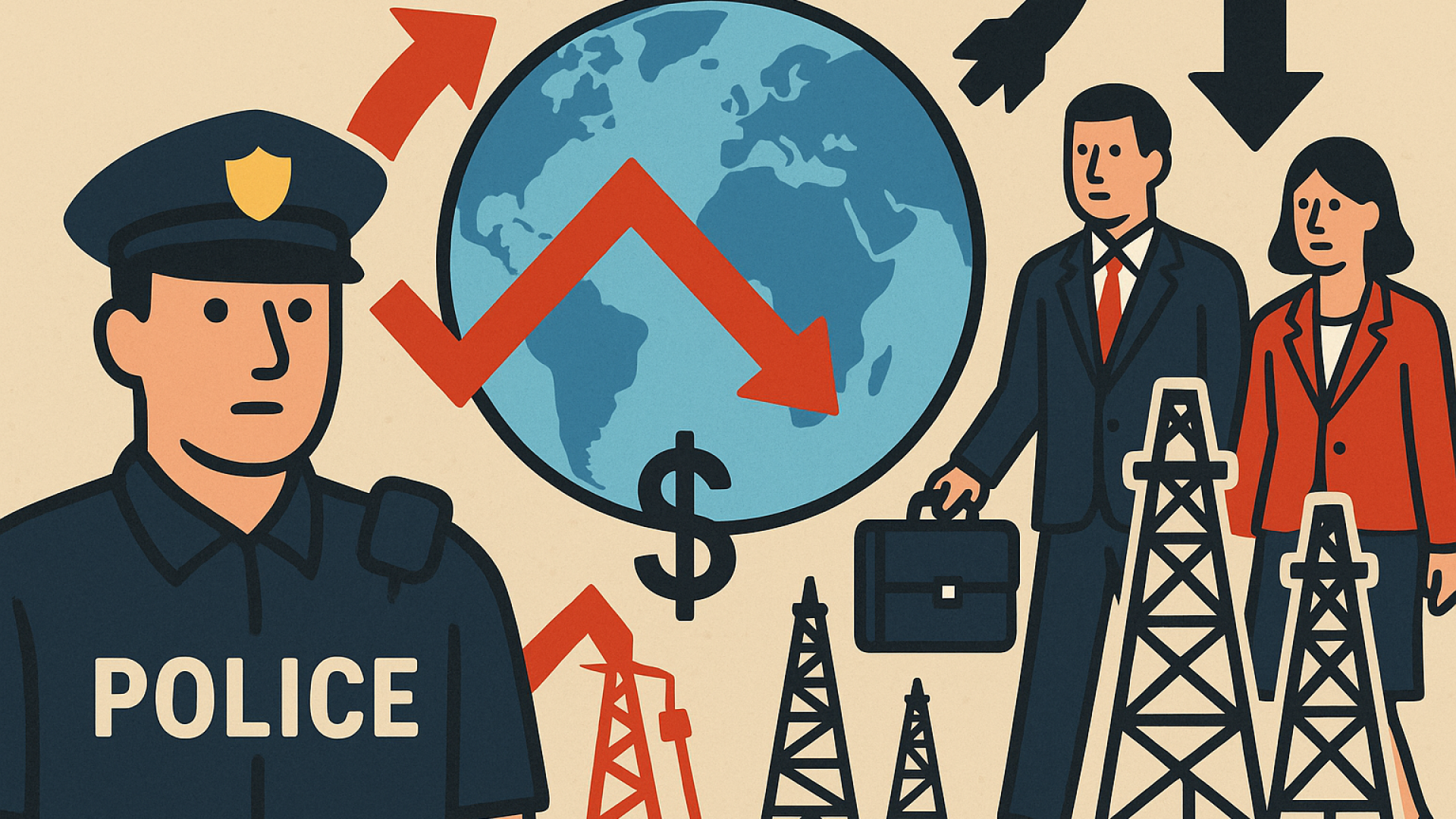
As the world moves through March 2026, a complex web of geopolitical tensions, economic uncertainties, and social transformations is shaping the global landscape. Recent events, ranging from security threats in Europe to energy market volatility and shifting economic forecasts in the United States, underscore the interconnected challenges nations face today. This article provides a comprehensive analysis of these developments, offering context, core issues, potential solutions, and concluding reflections on their broader implications.
Context: Rising Security Concerns in Europe
In early March 2026, French authorities detained two brothers suspected of plotting a "lethal and antisemitic" attack. This incident highlights ongoing security challenges in Europe, where extremist ideologies continue to pose threats to public safety and social cohesion. The French police's swift action reflects heightened vigilance amid a backdrop of rising antisemitism and radicalization in parts of the continent.
Europe has grappled with similar threats over the past decade, with governments balancing civil liberties and security measures. The detention of these suspects is a reminder of the persistent risks posed by extremist groups and the importance of intelligence-sharing and community engagement to prevent violence. The broader European context includes rising nationalist movements and social polarization, which have sometimes fueled extremist narratives. Governments across the continent are increasingly investing in counterterrorism strategies, including enhanced surveillance, community policing, and educational programs aimed at fostering tolerance and resilience against radicalization.
Core Issue 1: Energy Market Volatility Amid Strait of Hormuz Instability
Simultaneously, the global energy sector faces uncertainty as the Strait of Hormuz, a critical chokepoint for oil shipments, experiences instability. The U.S. Energy Secretary recently stated that there are "no guarantees" on oil prices, reflecting concerns about supply disruptions due to geopolitical tensions in the region.
The Strait of Hormuz is vital for global energy security, with a significant portion of the world's oil passing through its narrow waters. Any conflict or blockade could lead to sharp price spikes and supply shortages, affecting economies worldwide. The U.S. and its allies are exploring diplomatic and military options to secure the passage, but the situation remains volatile.
Recent escalations involving regional powers have heightened fears of potential disruptions. Iran's increased military presence and missile tests near the strait have raised alarms among international observers. Additionally, tensions between the United States and Iran continue to influence the security dynamics of the region. Energy-importing countries are closely monitoring developments, as prolonged instability could exacerbate inflationary pressures globally and hinder economic recovery efforts post-pandemic.
Core Issue 2: Economic Outlook and Stagflation Risks in the United States
Amid these geopolitical uncertainties, economic analysts in South Africa and beyond are questioning whether the U.S. economy is heading toward stagflation—a combination of stagnant growth and high inflation. This scenario poses significant challenges for policymakers, investors, and consumers alike.
Factors contributing to this risk include persistent inflationary pressures, supply chain disruptions, and cautious consumer spending. The Federal Reserve's monetary policy decisions in the coming months will be critical in steering the economy away from prolonged stagnation while managing inflation.
Inflation in the U.S. has remained stubbornly above target levels despite aggressive interest rate hikes. Supply chain bottlenecks, exacerbated by geopolitical tensions and lingering effects of the COVID-19 pandemic, continue to constrain production and distribution. Consumer confidence has shown signs of wavering, with increased savings rates and reduced discretionary spending signaling caution. Economists warn that if growth remains sluggish while inflation persists, the U.S. could face a prolonged period of economic malaise, complicating efforts to maintain employment levels and fiscal stability.
Core Issue 3: Social and Economic Shifts in the Workforce
On a more positive note, social dynamics are evolving, particularly in the United States, where Black women are launching businesses at unprecedented rates after leaving corporate jobs. This entrepreneurial surge reflects broader trends of workforce transformation, driven by desires for autonomy, flexibility, and economic empowerment.
This movement has implications for economic growth, diversity in business ownership, and community development. Supporting these entrepreneurs through access to capital, mentorship, and inclusive policies can amplify their impact.
The rise in entrepreneurship among Black women is reshaping the business landscape, contributing to job creation and innovation. Many are leveraging digital platforms and social media to reach wider markets, while others focus on community-based enterprises that address local needs. This trend also highlights systemic challenges, such as disparities in access to funding and resources, which policymakers and private sector leaders are increasingly seeking to address through targeted programs and partnerships.
Solutions and Strategic Responses
- Enhancing Security Measures: European governments must continue investing in intelligence capabilities, community outreach, and counter-radicalization programs to prevent extremist violence. International cooperation and information sharing are essential to address transnational threats effectively. Strengthening legal frameworks and fostering trust between law enforcement and communities can improve early detection and intervention efforts.
- Stabilizing Energy Markets: Diplomatic engagement with stakeholders in the Strait of Hormuz region is crucial to de-escalate tensions. Diversifying energy sources and investing in renewable alternatives can reduce dependency on vulnerable chokepoints. Strategic petroleum reserves and international energy partnerships can also provide buffers against sudden supply shocks.
- Economic Policy Adjustments: To mitigate stagflation risks, policymakers should balance inflation control with growth stimulation. Targeted fiscal measures, supply chain resilience initiatives, and support for innovation can foster a more robust economic environment. Coordination between monetary and fiscal authorities will be vital to navigate the delicate balance between curbing inflation and encouraging investment.
- Supporting Entrepreneurship: Expanding access to funding, business development resources, and networks for underrepresented entrepreneurs, especially Black women, can drive inclusive economic progress and job creation. Public-private partnerships, mentorship programs, and policy reforms aimed at reducing barriers can enhance the sustainability and scalability of these businesses.
Conclusion
March 2026 presents a snapshot of a world navigating complex challenges and opportunities. From security threats in Europe to energy market uncertainties and evolving economic landscapes, the global community must adopt multifaceted strategies to promote stability and growth. Embracing innovation, fostering cooperation, and prioritizing inclusivity will be key to addressing these issues effectively.
As events continue to unfold, staying informed and engaged remains essential for policymakers, businesses, and citizens alike. The coming months will test the resilience and adaptability of societies worldwide, underscoring the importance of thoughtful analysis and proactive solutions. Ultimately, the ability to respond collaboratively and creatively to these intertwined challenges will determine the trajectory of global stability and prosperity in the years ahead.