 5 months ago
Introduction
March 2026 is unfolding as a month marked by significant geopolitical tensions and economic uncertainties that are capturing global attention. From law enforcement actions in France addressing extremist threats to concerns over energy security in the Middle East, the world is navigating a complex landscape. Additionally, economic debates about stagflation in the United States and the resilience of financial markets add layers of complexity to the global outlook. This article explores these developments in detail, providing context, analysis, and potential solutions to the challenges faced.
Context: Rising Security Concerns in France and the Middle East
In recent days, French police have detained two brothers suspected of plotting a "lethal and antisemitic" attack. This incident highlights ongoing security challenges in Europe related to extremist violence and the persistent threat of antisemitism. The French authorities are intensifying their efforts to prevent such attacks, reflecting broader concerns about radicalization and domestic terrorism. This case has reignited public discourse on the effectiveness of current counterterrorism strategies and the need for enhanced community vigilance.
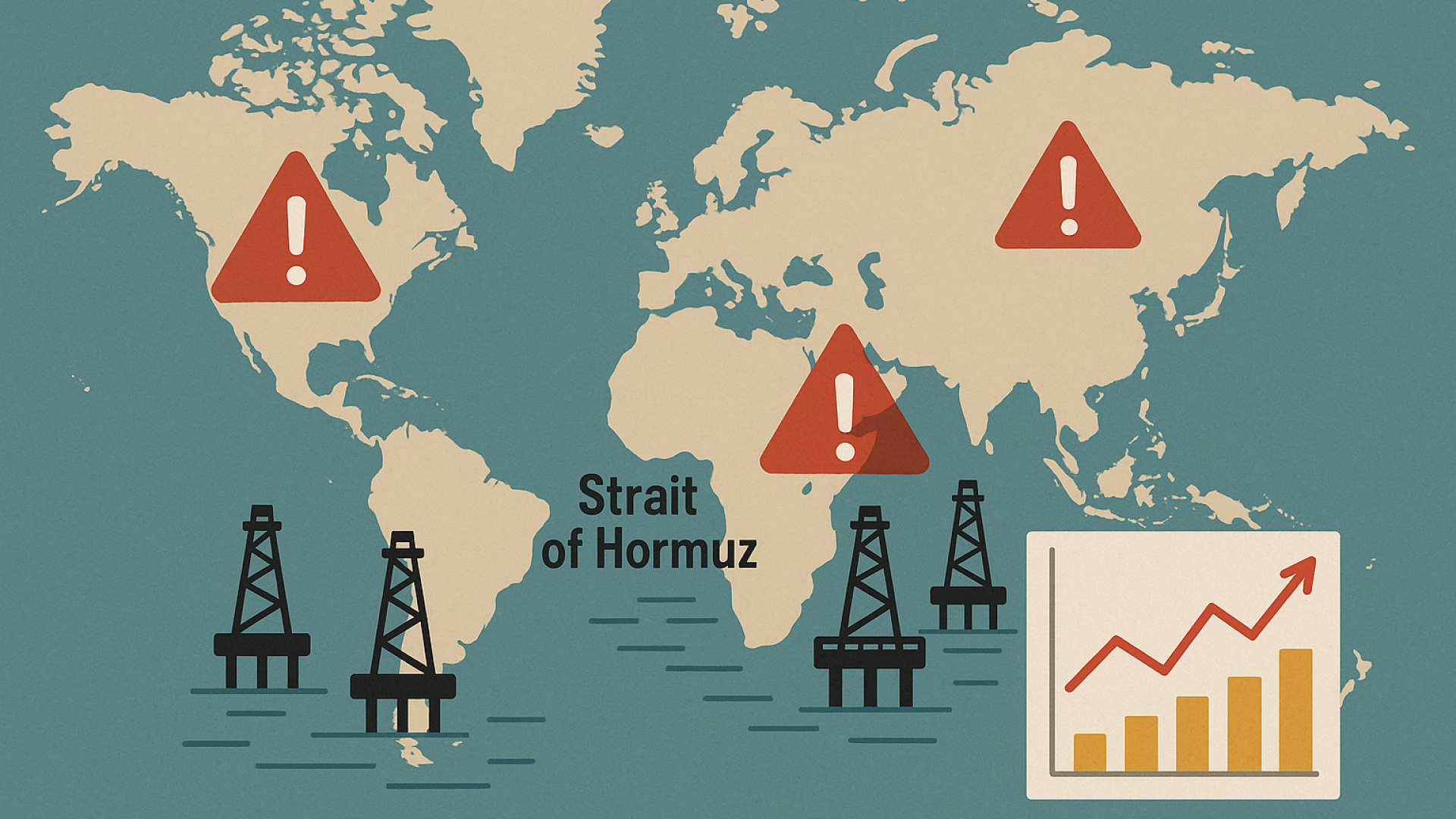
Simultaneously, the Strait of Hormuz, a critical chokepoint for global oil shipments, remains a hotspot of instability. The U.S. Energy Secretary has recently stated that there are no guarantees on oil prices given the volatile situation in this region. This uncertainty has significant implications for global energy markets, affecting everything from fuel prices to geopolitical alliances. The strategic importance of the Strait cannot be overstated, as approximately 20% of the world’s petroleum passes through this narrow waterway, making any disruption a potential catalyst for global economic ripple effects.
Core Issues: Economic and Political Implications
Security and Extremism in France
The detention of the brothers in France is part of a broader pattern of law enforcement responding to extremist threats. Antisemitic violence has seen a troubling resurgence in parts of Europe, fueled by a mix of ideological extremism, social tensions, and geopolitical conflicts. French authorities are under pressure to balance civil liberties with the need for robust security measures. The challenge lies in dismantling extremist networks without alienating communities or infringing on rights. Experts emphasize the importance of early intervention programs, education, and social integration efforts to address the root causes of radicalization.
Moreover, the French government is exploring enhanced surveillance technologies and increased funding for intelligence agencies to better track and prevent extremist activities. However, these measures have sparked debates about privacy and the potential for stigmatization of minority groups, underscoring the delicate balance between security and human rights.
Energy Market Volatility and the Strait of Hormuz
The Strait of Hormuz is a strategic maritime passage through which a significant portion of the world’s oil supply transits. Instability in this region, driven by geopolitical tensions involving Iran and other regional actors, threatens to disrupt supply chains and drive up global oil prices. The U.S. Energy Secretary’s cautionary remarks underscore the unpredictability of the situation. Energy markets are reacting with increased volatility, which could have ripple effects on inflation and economic growth worldwide.
Recent incidents, including naval confrontations and threats to commercial shipping, have heightened fears of a potential blockade or conflict. In response, several countries are reassessing their energy security strategies, including stockpiling reserves and seeking alternative supply routes such as pipelines bypassing the Strait. The volatility has also accelerated investments in renewable energy and energy efficiency as long-term solutions to reduce dependency on geopolitically sensitive regions.
Economic Concerns: Is the U.S. Heading Toward Stagflation?
Amid these geopolitical tensions, economic analysts in South Africa and beyond are questioning whether the U.S. economy is on the brink of stagflation—a scenario characterized by stagnant economic growth, high unemployment, and rising inflation. This concern is fueled by persistent inflationary pressures, supply chain disruptions, and the potential for energy price shocks stemming from Middle East instability. Stagflation poses a difficult policy challenge, as measures to curb inflation can further slow growth and increase unemployment.
Recent economic data indicate slowing GDP growth alongside elevated consumer prices, with wage growth failing to keep pace with inflation in many sectors. The Federal Reserve faces a complex dilemma: raising interest rates to combat inflation risks dampening economic activity, while maintaining lower rates could exacerbate price pressures. Economists suggest that structural reforms, targeted fiscal stimulus, and investments in productivity-enhancing technologies may be necessary to navigate this precarious economic environment.
Financial Market Resilience and Defensive Stocks
In the finance sector, questions arise about which stocks can withstand these turbulent times. Some analysts highlight certain defensive stocks as having "impregnable defenses" due to their stable earnings, strong balance sheets, and essential service offerings. These stocks may provide investors with a degree of protection against market swings caused by geopolitical and economic uncertainties.
Industries such as utilities, consumer staples, and healthcare are often cited as defensive sectors, given their consistent demand regardless of economic cycles. Additionally, companies with diversified global operations and robust cash flows are better positioned to absorb shocks. Investors are increasingly focusing on quality over growth, seeking assets that can deliver steady returns amid volatility.
Social and Cultural Shifts: Black Women Entrepreneurs
On a more positive note, there is a notable rise in entrepreneurship among Black women who are leaving corporate jobs to launch businesses at unprecedented rates. This trend reflects broader social and economic shifts, including a desire for autonomy, innovation, and addressing market gaps. These new businesses contribute to economic dynamism and diversity, offering fresh perspectives and opportunities.
Research indicates that Black women entrepreneurs are driving growth in sectors such as technology, health and wellness, and creative industries. Their ventures often focus on community empowerment and social impact, aligning business success with broader societal goals. Support networks, including incubators and funding initiatives tailored to minority entrepreneurs, are playing a crucial role in sustaining this momentum.
Potential Solutions and Strategic Responses
Enhancing Security and Community Engagement in France
To effectively counter extremist threats, French authorities could adopt a multi-faceted approach that combines intelligence-led policing with community engagement initiatives. Building trust within vulnerable communities and promoting inclusive narratives can help prevent radicalization. Additionally, international cooperation on intelligence sharing and counterterrorism strategies remains crucial.
Programs aimed at youth engagement, education on tolerance, and economic opportunities can reduce the appeal of extremist ideologies. Civil society organizations and religious leaders have a role in fostering dialogue and resilience against hate-driven narratives. Transparency and accountability in security operations are essential to maintaining public confidence and preventing backlash.
Stabilizing Energy Markets and Diversifying Supply
Given the volatility in the Strait of Hormuz, energy-importing countries might accelerate efforts to diversify their energy sources, including investments in renewable energy and alternative supply routes. Strategic petroleum reserves and international coordination can also help buffer against supply shocks. Diplomatic efforts aimed at de-escalating tensions in the Middle East are essential to long-term stability.
Collaborative frameworks involving regional stakeholders and global powers could facilitate conflict resolution and secure maritime navigation. Technological innovations such as floating LNG terminals and expanded pipeline networks offer practical alternatives to reduce reliance on vulnerable chokepoints. Furthermore, promoting energy efficiency and demand management can mitigate the impact of supply disruptions.
Addressing Economic Risks of Stagflation
Policymakers in the U.S. and globally face the challenge of balancing inflation control with economic growth. This may involve targeted fiscal policies, support for innovation and productivity, and measures to strengthen labor markets. Central banks might need to adopt flexible approaches that consider both inflation and employment objectives.
Investments in infrastructure, education, and technology can enhance long-term economic potential, offsetting short-term headwinds. Social safety nets and retraining programs can help workers adapt to changing economic conditions. Transparent communication from policymakers is vital to managing market expectations and maintaining confidence.
Supporting Entrepreneurial Growth and Inclusion
To sustain the momentum of Black women entrepreneurs, governments and private sectors can provide tailored support such as access to capital, mentorship programs, and business development resources. Encouraging diversity in entrepreneurship contributes to economic resilience and social equity.
Public-private partnerships can facilitate networking opportunities and reduce barriers to market entry. Educational initiatives focusing on financial literacy and digital skills empower entrepreneurs to scale their businesses effectively. Celebrating success stories and fostering inclusive ecosystems help normalize diversity in the entrepreneurial landscape.
Conclusion
March 2026 is a pivotal moment characterized by intersecting challenges in security, energy, economics, and social change. The detention of suspects in France and the instability in the Strait of Hormuz underscore the fragility of global security and energy systems. Economic concerns about stagflation and market resilience add complexity to the outlook, while the rise of Black women entrepreneurs offers a hopeful counterpoint. Navigating these issues requires coordinated efforts across governments, industries, and communities to foster stability, growth, and inclusion in an uncertain world. The coming months will test the adaptability and resolve of global actors as they seek to mitigate risks and harness opportunities amid evolving dynamics.