 5 months ago
Introduction
The year 2026 is proving to be a pivotal moment in global politics and economics. From the reverberations of past U.S. administrations influencing current international alliances to the evolving landscape of digital finance and geopolitical tensions, the world stands at a complex crossroads. This article delves into the most pressing issues shaping the present and near future, providing a comprehensive analysis that spans political dynamics, economic resilience, and technological innovation.
Context: Political Turbulence and Shifting Alliances
Recent developments have underscored the continuing impact of the Trump era on both domestic and international affairs. Notably, NewsGuard's lawsuit against the Federal Trade Commission (FTC) highlights ongoing disputes over media credibility ratings, a contentious issue rooted in regulatory actions taken during the previous administration. This legal battle reflects broader concerns about information integrity and government oversight in an era of heightened political polarization. The lawsuit not only challenges the FTC's authority but also raises fundamental questions about the role of government in regulating media and the boundaries of free speech in a digital age.
Meanwhile, former President Donald Trump finds himself politically challenged by the unfolding conflict in Iran. The war has not only complicated his political standing but also intensified his criticism of news coverage and strained relationships within the MAGA movement. This internal discord illustrates the fragility of political coalitions and the influence of foreign policy crises on domestic politics. The conflict has exposed divisions within conservative circles, with some factions advocating for a more aggressive stance while others call for diplomatic solutions, thereby complicating Trump's efforts to consolidate support ahead of potential future campaigns.
On the other side of the political spectrum, figures like Pete Buttigieg are navigating their roles with an eye toward the future. Buttigieg's recent remarks emphasize the importance of focusing on the present political landscape of 2026 while preparing for the 2028 election cycle. His candid assessment of the Pentagon and White House operations as 'amateur hour' signals growing frustration with current governance and a call for more competent leadership. Buttigieg's critique resonates with a broader public sentiment demanding accountability and efficiency in government institutions, highlighting the challenges faced by the current administration in managing complex domestic and international issues.
Core Issues: Economic Resilience and Technological Innovation
Economic challenges remain at the forefront, particularly in regions like Central Oregon, where seasonal economies demand innovative approaches to financial stability. Building resilience in such areas requires a multifaceted strategy that includes diversification, community support, and leveraging technology to create new opportunities. Seasonal fluctuations in tourism and agriculture have historically made these economies vulnerable to external shocks, but emerging trends in remote work and digital entrepreneurship offer promising avenues for sustainable growth.
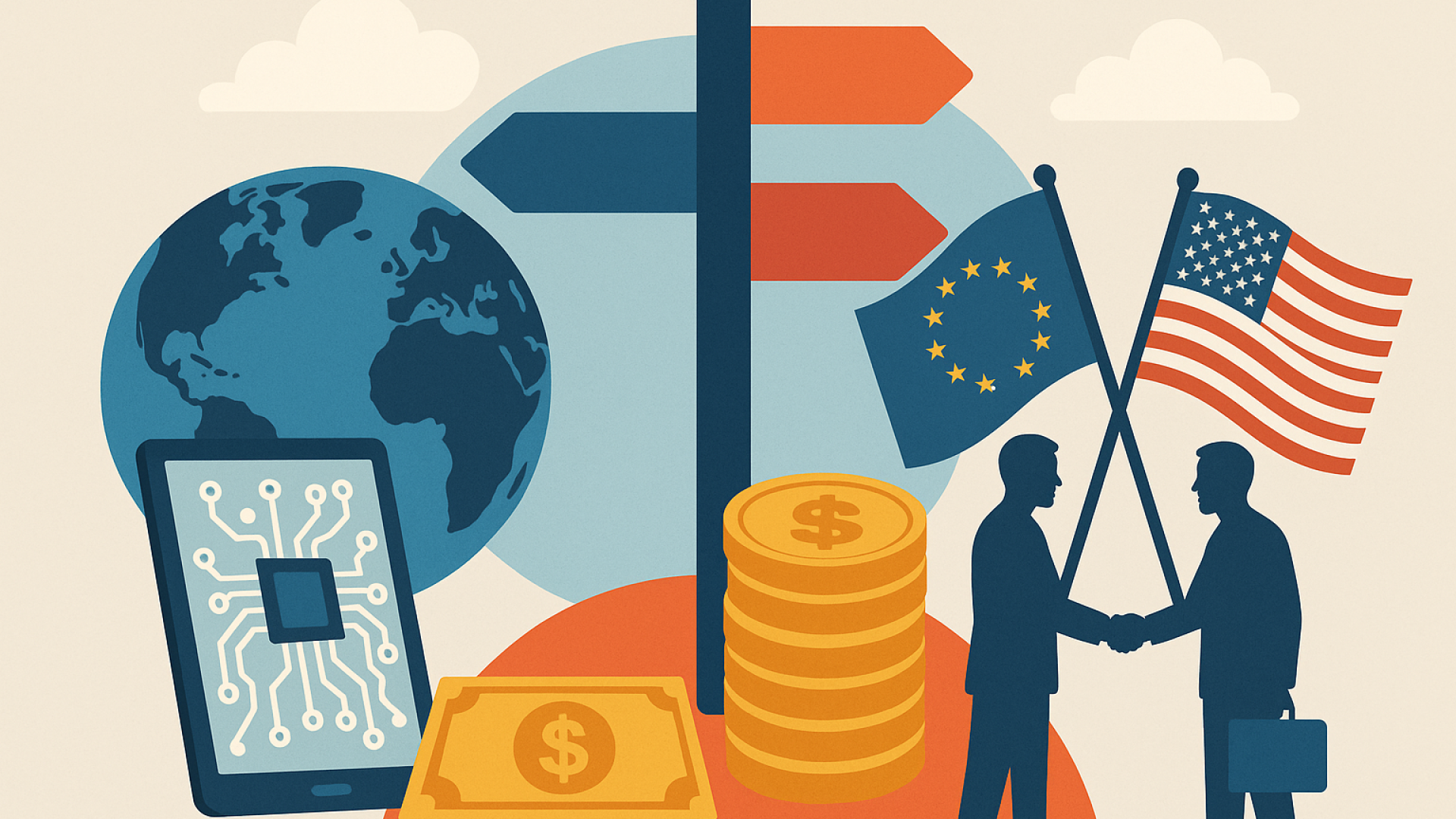
In the financial sector, Mastercard's launch of a Crypto Partner Program with over 85 digital asset and payments companies marks a significant step toward mainstreaming cryptocurrency. This initiative reflects the growing acceptance of digital assets and the potential for blockchain technology to transform payment systems globally. However, it also raises questions about regulation, security, and the future role of traditional financial institutions. The program aims to bridge the gap between conventional banking and the rapidly evolving crypto ecosystem, fostering innovation while addressing concerns related to fraud, money laundering, and consumer protection.
Geopolitical tensions continue to influence markets, as evidenced by recent U.S. strikes on Iranian export hubs that have injected fresh volatility into oil markets. Such actions underscore the interconnectedness of global security and economic stability, with energy prices often serving as a barometer for geopolitical risk. The strikes have disrupted supply chains and heightened uncertainty among investors, prompting calls for diplomatic engagement to prevent further escalation. Additionally, the situation has accelerated discussions around energy diversification and the transition to renewable sources as a means to reduce dependency on volatile regions.
Solutions and Forward-Looking Perspectives
Addressing these complex challenges requires coordinated efforts across multiple domains. In politics, fostering dialogue and transparency can help rebuild trust both domestically and internationally. For media organizations and regulators, balancing oversight with freedom of expression remains critical to maintaining credibility and public confidence. Initiatives aimed at improving media literacy and combating misinformation are essential components of this effort, empowering citizens to navigate an increasingly complex information environment.
Economically, regions dependent on seasonal industries must prioritize diversification and innovation. Public-private partnerships, investment in education and technology, and community engagement are essential components of sustainable growth. By embracing digital tools and fostering entrepreneurship, these communities can create resilient economies less susceptible to external shocks. Furthermore, policies that support workforce development and infrastructure improvements will be vital in enabling long-term prosperity.
Financial institutions embracing digital currencies should work closely with regulators to establish frameworks that protect consumers while encouraging innovation. Collaborative efforts can help create standardized practices, enhance security protocols, and promote transparency within the crypto space. Such measures will be crucial in building public trust and integrating digital assets into mainstream financial systems.
On the geopolitical front, diplomatic engagement and conflict resolution strategies are paramount to reducing volatility and fostering stability. Energy diversification and investment in renewable sources can mitigate the impact of geopolitical shocks on markets and consumers. International cooperation on climate initiatives and energy security will play a significant role in shaping a more stable and sustainable global economy.
Conclusion
The landscape of 2026 is marked by significant challenges and opportunities. Political dynamics shaped by past administrations continue to influence current events, while economic and technological developments offer pathways to resilience and growth. Navigating this complex environment demands informed leadership, strategic innovation, and a commitment to collaboration across sectors and borders. As the world adapts to these changes, the decisions made today will profoundly shape the trajectory of the coming years. Embracing a holistic approach that integrates political stability, economic diversification, and technological advancement will be essential in forging a prosperous and secure future.