 6 months ago
Introduction
On March 13, 2026, a significant fire broke out at a textile manufacturing plant located in upstate New York. The blaze quickly escalated, drawing a large response from local firefighting units and emergency services. This incident has raised concerns about industrial safety protocols, emergency preparedness, and the environmental and economic impacts on the local community. The event not only disrupted operations at the plant but also highlighted vulnerabilities in industrial fire prevention and response strategies that demand urgent attention.
Context: The Textile Industry and Industrial Fire Risks
The textile manufacturing sector has long been a vital part of the regional economy in upstate New York, providing employment opportunities to thousands and contributing significantly to local development and economic stability. Textile plants typically handle large quantities of raw materials such as cotton, wool, synthetic fibers, and chemical dyes, all of which present inherent fire hazards. The combination of flammable fibers, dust accumulation, and chemical substances creates an environment where fires can ignite and spread rapidly if not properly managed.
Historically, industrial fires in textile plants have resulted in devastating consequences, including tragic loss of life, extensive property damage, and long-term economic disruption for communities dependent on these facilities. For example, past incidents in similar manufacturing settings have led to prolonged shutdowns, job losses, and costly rebuilding efforts. This historical context underscores the critical importance of implementing stringent safety measures, regular maintenance, and effective emergency response strategies to mitigate fire risks in such environments.
The Incident: What Happened at the Upstate Plant?
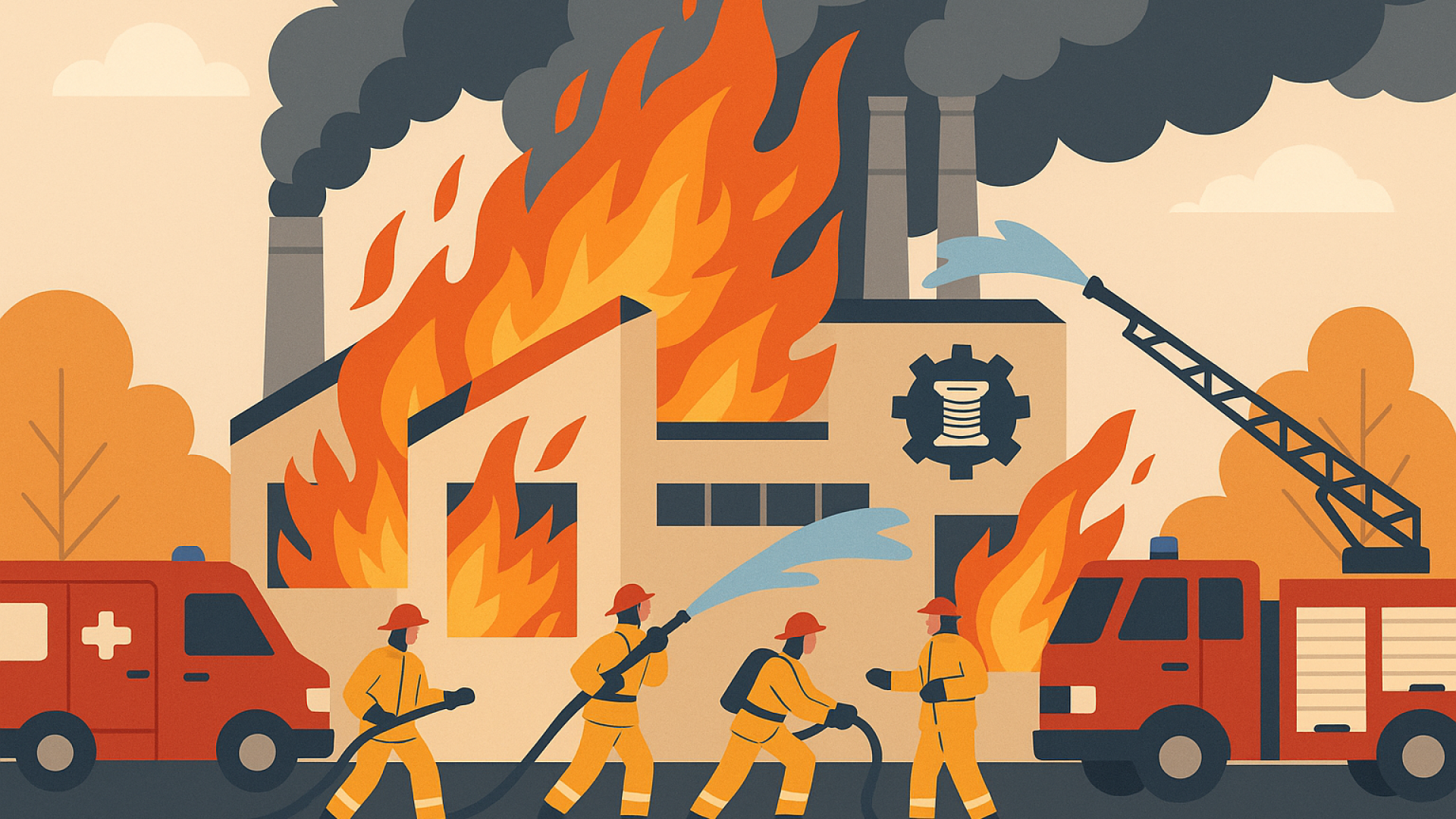
According to initial reports, the fire at the textile manufacturing plant was first detected in the early afternoon hours when employees noticed smoke emanating from one of the production areas. The plant management was immediately alerted, and emergency services were contacted without delay. Firefighters arrived on the scene within minutes, but by that time, the fire had already spread to multiple sections of the facility, fueled by the abundance of combustible materials present.
The firefighting response was swift and comprehensive, involving several fire engines, specialized equipment, and coordinated efforts from multiple fire departments across the region. Firefighters worked tirelessly through challenging conditions to contain the blaze, prevent its spread to adjacent buildings, and ensure the safety of all personnel on site. Their efforts were instrumental in preventing a more catastrophic outcome.
Fortunately, there were no reported fatalities, though a few workers sustained minor injuries and were treated either on-site or at nearby medical facilities. The plant was evacuated promptly following established emergency protocols, which helped minimize harm to employees. Emergency response teams also established a perimeter to keep the public safe and facilitate efficient firefighting operations.
Causes and Contributing Factors
While investigations into the exact cause of the fire are still ongoing, preliminary assessments suggest that the blaze may have originated from an electrical fault in one of the machinery units. Textile manufacturing equipment often operates under high temperatures and electrical loads, which can increase the risk of malfunctions if maintenance is inadequate or safety standards are not rigorously followed.
Additional factors likely contributed to the rapid spread of the fire. The accumulation of lint and dust within the facility, which are highly combustible, can act as accelerants in industrial fires. Moreover, the presence of flammable chemicals used in fabric treatment processes further exacerbated the situation. These elements highlight the critical need for regular cleaning, thorough maintenance, and strict adherence to safety standards in industrial environments to prevent such incidents.
Experts emphasize that electrical systems in industrial plants require frequent inspections and upgrades to mitigate risks. Similarly, effective ventilation and dust control systems are essential to reduce the buildup of combustible materials. The incident serves as a stark reminder of how multiple small oversights can combine to create a dangerous situation.
Impact on the Community and Economy
The fire has had immediate and potentially long-term effects on the local community. The textile plant is a significant employer in the area, providing jobs to hundreds of workers and supporting numerous families. Its temporary closure due to fire damage disrupts the livelihoods of many employees, who face uncertainty regarding their income and job security. This disruption also extends to local suppliers and businesses connected to the plant’s operations, which may experience financial strain due to interrupted contracts and reduced demand.
Beyond economic concerns, environmental issues have been raised regarding the smoke released during the fire and the potential chemical runoff resulting from firefighting efforts. Authorities have initiated monitoring of air and water quality in the surrounding areas to assess and mitigate any adverse effects on public health and the local ecosystem. The release of toxic substances from burning synthetic fibers and chemical treatments poses risks that require careful management and remediation.
Community members have expressed concerns about long-term environmental damage and the adequacy of communication from plant management and local officials. The incident has sparked discussions about the need for greater transparency and proactive engagement with residents regarding industrial risks and safety measures.
Emergency Response and Lessons Learned
The firefighting teams demonstrated commendable coordination, professionalism, and resilience in managing the blaze. Their rapid deployment and strategic containment efforts prevented what could have been a far more catastrophic event, protecting lives and limiting property damage. The collaboration between multiple fire departments and emergency services showcased the effectiveness of regional preparedness and mutual aid agreements.
However, this incident also reveals areas for improvement in industrial fire prevention and emergency preparedness. Key lessons include:
- Enhanced Safety Protocols: Regular safety audits, comprehensive risk assessments, and timely upgrades to electrical and mechanical systems are essential to reduce the risk of similar incidents. Implementing stricter compliance checks can help identify vulnerabilities before they lead to emergencies.
- Employee Training: Ongoing training programs in fire prevention, hazard recognition, and emergency response are critical for all plant personnel. Empowering employees with knowledge and drills ensures swift and effective action during crises.
- Fire Suppression Systems: Investment in advanced fire detection and suppression technologies, such as automatic sprinklers, heat sensors, and smoke alarms, can provide early warnings and automatic containment, minimizing fire spread and damage.
- Community Engagement: Transparent communication with local residents about potential risks, safety measures, and emergency plans fosters trust and preparedness. Establishing community liaison groups can facilitate dialogue and collaborative safety efforts.
Broader Implications for Industrial Safety
This fire serves as a powerful reminder of the vulnerabilities present in industrial settings, particularly in sectors dealing with flammable materials and complex machinery. It underscores the necessity for regulatory bodies to enforce stringent safety standards and for companies to prioritize comprehensive risk management strategies. Regular inspections, adherence to best practices, and investment in safety infrastructure are non-negotiable components of responsible industrial operations.
Moreover, the incident highlights the importance of integrating environmental considerations into emergency response planning. Protecting public health and minimizing ecological damage must be central to firefighting strategies in industrial contexts. This includes preparedness for hazardous material containment, pollution control, and post-incident environmental remediation.
Policymakers and industry leaders are encouraged to use this event as a case study to review existing regulations and promote innovations in fire safety technology and training. Collaborative efforts between government agencies, industry stakeholders, and community organizations can drive improvements that enhance resilience and sustainability.
Conclusion
The blaze at the upstate textile manufacturing plant on March 13, 2026, was a serious event that tested the readiness and resilience of emergency services and the local community. While the immediate crisis was managed effectively, the incident calls for a renewed focus on industrial safety, preventive maintenance, and environmental stewardship to prevent future occurrences.
Moving forward, stakeholders—including industry leaders, regulators, and community members—must collaborate to implement comprehensive safety frameworks that protect lives, property, and the environment. By learning from this event, the textile industry and other manufacturing sectors can enhance their preparedness, reduce the likelihood of future disasters, and foster safer, more sustainable industrial operations that benefit workers and communities alike.