 4 months ago
Introduction
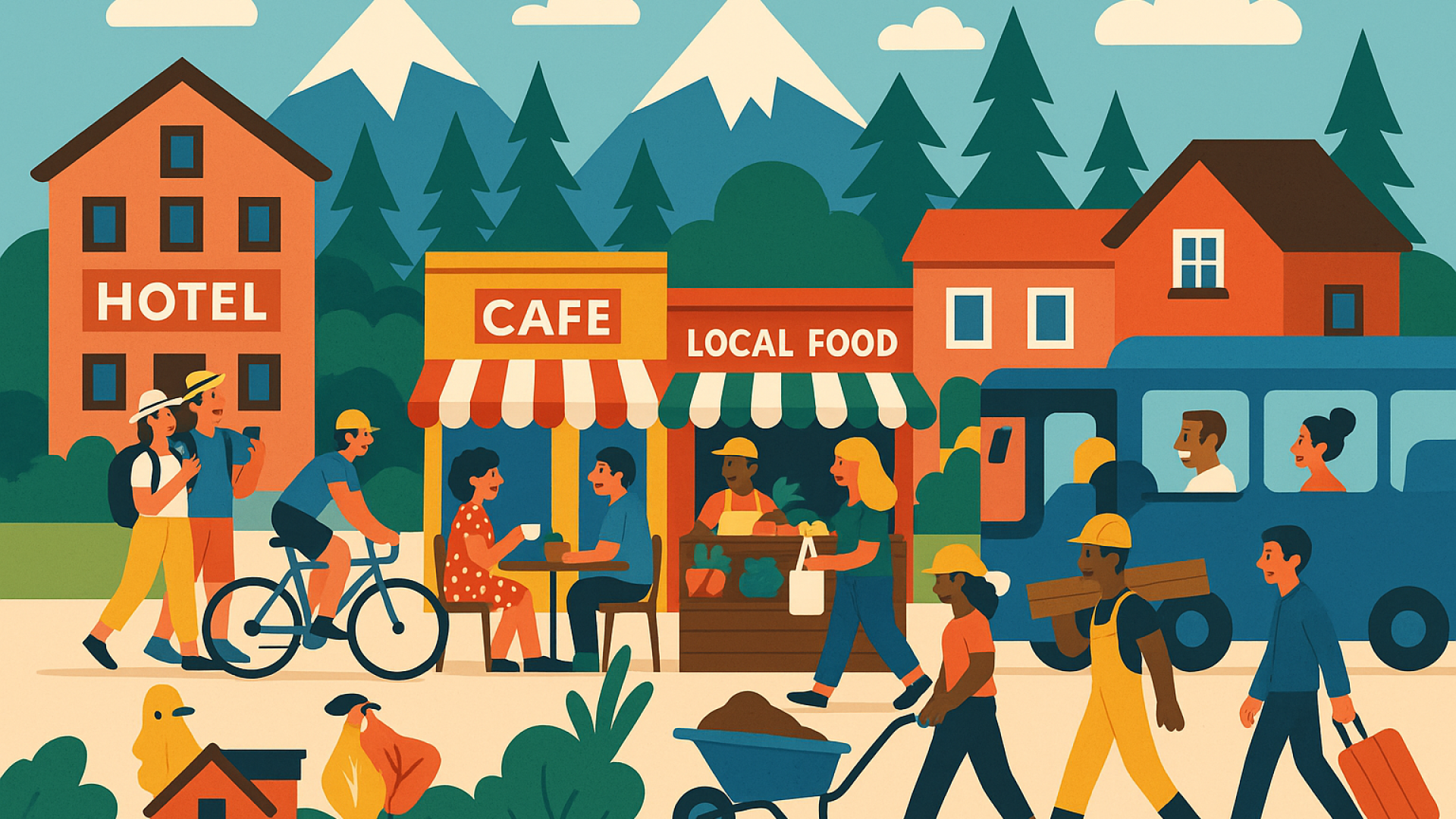
Central Oregon, renowned for its breathtaking landscapes, abundant outdoor recreational opportunities, and thriving tourism sector, operates predominantly on a seasonal economic model. This model brings substantial economic benefits during peak seasons, attracting visitors from across the country and beyond. However, the inherent seasonality also introduces significant financial challenges for residents, local businesses, and government entities alike. The cyclical nature of income and employment opportunities creates periods of boom and bust that can strain financial stability. Therefore, building financial resilience within this seasonal framework is essential to fostering long-term economic stability, community well-being, and sustainable growth in the region.
Context: Understanding Central Oregon's Seasonal Economy
The economy of Central Oregon is deeply intertwined with its natural environment and climate, which dictate the rhythm of its primary industries. Tourism, outdoor recreation, and agriculture form the backbone of the local economy, each subject to pronounced seasonal fluctuations. Winter months see an influx of visitors drawn to skiing, snowboarding, and other winter sports, while the summer months attract hikers, mountain bikers, festival attendees, and nature enthusiasts. Agriculture, including specialty crops and livestock farming, follows seasonal cycles that impact production and income.
This seasonality results in significant variability in employment and income levels throughout the year. The population itself is a dynamic mix of permanent residents, seasonal workers who migrate for employment opportunities, and transient visitors. Each group faces distinct financial challenges and vulnerabilities. Businesses often experience a surge in revenue during peak tourist seasons but struggle to maintain consistent cash flow during off-peak periods. This volatility can ripple through the community, affecting household financial security, business viability, and the capacity of local governments to provide essential services.
Core Challenges in Building Financial Resilience
1. Income Volatility and Employment Instability
A large segment of Central Oregon’s workforce depends on seasonal employment, which typically offers limited hours, temporary contracts, and inconsistent paychecks. This income volatility complicates personal financial management, making it difficult for individuals and families to budget effectively, save for emergencies, or invest in long-term goals such as education, homeownership, or retirement. The unpredictability of employment can also lead to heightened financial stress, increased reliance on credit, and vulnerability to economic shocks.
2. Business Cash Flow Management
Small and medium-sized enterprises (SMEs) in sectors like tourism, hospitality, and agriculture face significant challenges in managing cash flow across the year. Peak seasons may generate substantial revenue, but businesses must strategically allocate these funds to cover fixed costs and operational expenses during slower months. Without robust financial planning, access to credit, or savings, many businesses risk downsizing or closure during off-peak periods. This instability not only threatens individual businesses but also the broader economic ecosystem.
3. Housing Affordability and Availability
The seasonal economy drives heightened demand for short-term rentals and seasonal housing accommodations, which can inflate housing prices and reduce availability for permanent residents. This dynamic exacerbates existing housing affordability challenges, making it increasingly difficult for workers—especially those in lower-wage seasonal jobs—to secure stable, affordable housing near their places of employment. The resulting housing insecurity can lead to longer commutes, increased transportation costs, and diminished quality of life.
4. Infrastructure and Public Services Strain
Fluctuating population levels due to seasonal tourism and transient workers place uneven demands on infrastructure and public services. Local governments face the complex task of balancing budgets and planning for peak usage periods without overextending resources during off-peak times. This challenge can limit investments in long-term infrastructure improvements, such as transportation networks, utilities, and social services, which are critical for supporting both residents and visitors year-round.
Strategies for Enhancing Financial Resilience
1. Diversifying Income Sources
One of the most effective ways to mitigate the risks associated with seasonal employment is to encourage diversification of income sources among residents. Promoting year-round industries such as technology, remote work, renewable energy, and value-added agricultural products can provide more stable employment opportunities. Workforce development programs tailored to equip residents with versatile skills can facilitate transitions between sectors and reduce dependence on seasonal jobs. Additionally, fostering entrepreneurship and small business development in non-seasonal industries can broaden the economic base.
2. Strengthening Financial Literacy and Planning
Improving financial literacy among individuals and business owners is critical for managing income volatility. Educational initiatives, including workshops and counseling on budgeting, saving, debt management, and credit access, empower residents to build emergency funds and plan for seasonal downturns. Financial literacy programs can also help businesses develop better cash flow management practices and prepare for off-season challenges.
3. Expanding Access to Flexible Financial Products
Financial institutions can play a pivotal role by designing products tailored to the unique needs of seasonal workers and businesses. Flexible loan structures, savings accounts with variable deposit options, and revolving credit lines that accommodate fluctuating cash flows can provide vital financial buffers during lean periods. Collaborations between banks, credit unions, and community organizations can enhance access to these products, particularly for underserved populations.
4. Supporting Small Business Resilience
Local governments and economic development organizations can bolster small business resilience through targeted support measures. Offering grants, low-interest loans, and technical assistance helps businesses manage cash flow, invest in off-season marketing, diversify product offerings, and adopt innovative technologies. Encouraging collaboration and resource-sharing among businesses can reduce costs and foster a supportive business community. Additionally, facilitating access to regional and national markets can help businesses expand beyond seasonal constraints.
5. Addressing Housing Challenges
To stabilize the housing market and improve affordability, policymakers can implement regulations that balance the demand for short-term rentals with the needs of permanent residents. Incentives for developing affordable, year-round rental units and workforce housing projects can ensure that workers have access to stable housing near employment centers. Partnerships with nonprofit housing organizations and leveraging state and federal funding can accelerate the development of such housing solutions.
6. Investing in Infrastructure and Public Services
Strategic investments in infrastructure that accommodate seasonal population fluctuations can enhance service delivery and reduce operational costs. Scalable public transportation systems, flexible utility networks, and multi-use community facilities can adapt to changing demand levels. Incorporating smart technologies and sustainable design principles can improve efficiency and resilience. Moreover, enhancing broadband infrastructure supports remote work opportunities and year-round economic diversification.
Case Studies and Examples
Communities with similar seasonal economic profiles have pioneered innovative approaches to building financial resilience. For instance, some mountain towns have extended their tourist seasons by developing winter and summer festivals, attracting visitors beyond traditional peak periods. Investments in broadband infrastructure have enabled these communities to attract remote workers, thereby stabilizing the local economy year-round. Agricultural cooperatives have empowered farmers by facilitating collective marketing, processing, and distribution, which helps stabilize income streams. Additionally, some regions have implemented housing policies that successfully balance short-term rental markets with affordable housing needs, improving workforce retention.
Conclusion
Building financial resilience in Central Oregon's seasonal economy demands a comprehensive, multifaceted approach that addresses the interconnected challenges of income volatility, business sustainability, housing affordability, and infrastructure capacity. By fostering economic diversification, enhancing financial literacy, expanding access to tailored financial products, and implementing supportive housing and infrastructure policies, the region can cultivate a more stable and prosperous economic future for all residents. Achieving these goals will require collaborative efforts among government agencies, businesses, community organizations, and residents. Together, they can navigate the complexities of the seasonal economy, mitigate its risks, and harness its opportunities to promote sustainable growth and community well-being in Central Oregon.