 4 months ago
Introduction
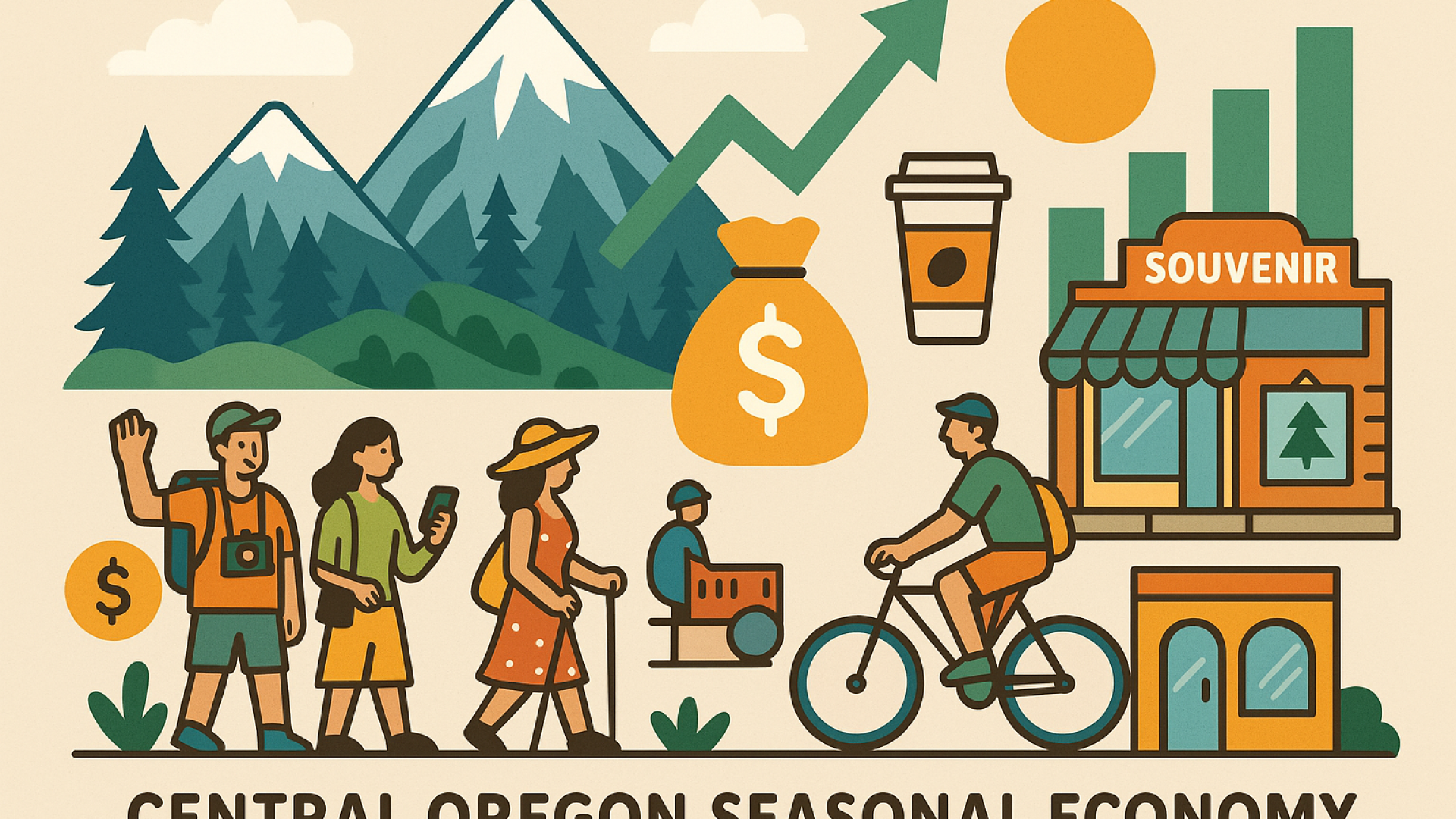
Central Oregon, renowned for its breathtaking landscapes and dynamic tourism industry, operates within a predominantly seasonal economic framework. The region experiences significant economic activity spikes during specific periods, especially in the summer and winter months, fueled largely by outdoor recreation, tourism, and hospitality sectors. While these peak seasons generate substantial revenue and employment opportunities, they simultaneously expose the local economy to vulnerabilities during off-peak times. The cyclical nature of this economic model presents unique challenges that necessitate strategic planning and intervention. Building financial resilience in such an environment is essential to securing long-term economic stability and fostering sustainable growth for the diverse communities that call Central Oregon home.
Context: Understanding Central Oregon's Seasonal Economy
Central Oregon's economy is deeply intertwined with tourism and outdoor recreational activities. Popular destinations such as Bend, Sunriver, and Sisters draw visitors year-round for skiing, hiking, mountain biking, fishing, and other outdoor pursuits. These activities create a robust seasonal demand that supports numerous jobs and business ventures. However, the reliance on weather-dependent and holiday-driven tourism means that economic activity fluctuates significantly throughout the year.
During peak seasons, businesses often experience a surge in revenues and employment, enabling them to capitalize on the influx of visitors. Conversely, the off-season frequently results in diminished income streams and workforce reductions, leading to financial uncertainty for both workers and business owners. This cyclical pattern complicates efforts to maintain steady cash flow, plan for future investments, and sustain operational continuity.
Beyond the immediate economic impacts, the seasonal nature of the economy also affects the region's housing market, infrastructure, and public services. Seasonal workers, who form a critical part of the labor force, often encounter housing shortages and affordability challenges. Meanwhile, local governments face the complex task of balancing fluctuating tax revenues with the obligation to provide consistent public services year-round, including education, healthcare, transportation, and emergency services.
Core Challenges in Building Financial Resilience
1. Income Volatility for Workers and Businesses
Income volatility stands as one of the most significant challenges confronting seasonal workers and small businesses in Central Oregon. Many employees depend on temporary, part-time, or contract-based jobs that are only available during peak tourism periods. This employment instability often results in financial insecurity, making it difficult for workers to cover essential living expenses, save for the future, or access credit. The lack of steady income can also lead to increased stress and reduced quality of life.
Small businesses face parallel challenges. The unpredictability of cash flows during off-peak months complicates the management of fixed expenses such as rent, utilities, insurance, and payroll. This financial uncertainty can deter business owners from investing in growth initiatives, technological upgrades, or workforce development, ultimately limiting the potential for innovation and competitiveness.
2. Limited Access to Financial Services and Support
Seasonal workers and business owners frequently encounter barriers when seeking financial products tailored to their unique income patterns. Traditional lending institutions often perceive seasonal income as high-risk, leading to higher interest rates, stringent loan requirements, or outright denial of credit applications. This limited access to affordable financing restricts the ability of individuals and businesses to smooth income fluctuations, invest in opportunities, or manage unexpected expenses.
Moreover, there is a notable gap in financial literacy resources that address the specific challenges of managing seasonal income. Without targeted education and support, workers and entrepreneurs may struggle with budgeting, saving, and planning for periods of reduced earnings, exacerbating financial instability.
3. Housing Affordability and Availability
The demand for affordable housing in Central Oregon is intensified by the influx of seasonal workers who require temporary or long-term accommodations. The existing housing supply often falls short of meeting this demand, leading to shortages and escalating costs. High housing prices not only increase financial pressure on workers but also hinder the ability of businesses to attract and retain a reliable workforce.
Housing affordability challenges extend beyond seasonal workers to affect the broader community, contributing to socioeconomic disparities and limiting economic mobility. Addressing these issues is critical to maintaining a healthy labor market and supporting sustainable economic development.
4. Infrastructure and Public Service Strain
The seasonal population surges place considerable strain on Central Oregon's infrastructure and public services. Roads, public transportation systems, utilities, and emergency services must accommodate fluctuating demand, which can lead to congestion, wear and tear, and service disruptions during peak periods. Conversely, during off-peak times, underutilization of infrastructure can result in inefficiencies and budgetary challenges.
Local governments face the complex task of managing these variable demands while operating within constrained fiscal environments. Balancing the need for scalable infrastructure investments with the realities of fluctuating tax revenues requires innovative planning, regional cooperation, and flexible budgeting approaches.
Strategies for Building Financial Resilience
1. Diversifying Economic Activities
Reducing dependence on seasonal tourism by diversifying the economic base is a fundamental strategy for enhancing financial resilience. Encouraging growth in sectors such as technology, manufacturing, agriculture, and remote work can provide more stable, year-round employment opportunities. This diversification not only stabilizes income streams but also fosters innovation and attracts a broader talent pool.
Local governments and economic development agencies play a pivotal role in facilitating diversification. Initiatives may include offering tax incentives and grants to businesses in emerging sectors, investing in broadband and digital infrastructure to support remote work, and creating entrepreneurship programs that nurture startups and small enterprises.
2. Enhancing Financial Literacy and Access
Targeted financial education programs designed specifically for seasonal workers and business owners can empower individuals to better manage income volatility. Workshops, online courses, and one-on-one counseling can cover topics such as budgeting for fluctuating income, building emergency savings, and understanding credit management.
In parallel, expanding access to flexible financial products is crucial. Income smoothing loans, which allow borrowers to repay based on seasonal earnings, emergency savings accounts with easy access, and microloans tailored to small business cash flow needs can provide vital financial buffers. Collaboration between community organizations, credit unions, and banks can facilitate the development and dissemination of these products.
3. Expanding Affordable Housing Solutions
Addressing housing affordability requires coordinated efforts across multiple stakeholders. Increasing the supply of affordable housing units through incentives for developers, zoning reforms, and public-private partnerships can alleviate shortages. Workforce housing developments specifically designed to accommodate seasonal employees can provide stable, affordable options.
Innovative housing models such as cooperative housing, shared living spaces, or seasonal worker dormitories offer alternative solutions that can reduce costs and foster community among residents. Local governments, non-profits, and developers must collaborate to design and implement these initiatives effectively, ensuring they meet the diverse needs of the workforce.
4. Strengthening Infrastructure and Public Services
Investing in scalable and adaptable infrastructure is essential to accommodate the seasonal fluctuations in population and demand. Enhancements to public transportation can reduce congestion and improve accessibility during peak seasons. Upgrading utility systems to handle variable loads and incorporating smart technologies can optimize resource use and reduce operational costs.
Flexible budgeting strategies, such as multi-year financial planning and reserve funds, can help local governments manage revenue volatility. Regional cooperation among municipalities can also enable shared services and infrastructure investments, improving efficiency and resilience.
5. Promoting Community Support Networks
Strong community networks provide critical social and financial support that can mitigate the impacts of seasonal economic challenges. Cooperative buying groups can reduce costs for essential goods and services, while shared childcare arrangements can alleviate burdens on working families. Peer-to-peer lending platforms and community credit circles offer alternative financing options that build trust and mutual assistance.
Fostering these grassroots initiatives enhances social cohesion and creates safety nets that complement formal economic and governmental support systems, contributing to overall community resilience.
Case Studies and Examples
Several communities within Central Oregon and comparable regions have pioneered innovative approaches to address the challenges of seasonal economies. For example, some towns have developed year-round tourism attractions, such as cultural festivals, indoor recreational facilities, and off-season events, to smooth demand and extend visitor stays.
Workforce development programs focusing on multi-skilling employees enable workers to transition between sectors or roles throughout the year, enhancing employment stability. For instance, training programs that equip hospitality workers with skills applicable in retail or healthcare sectors increase their year-round job prospects.
Financial institutions in the region have introduced specialized loan products that account for seasonal income cycles, offering flexible repayment schedules and lower barriers to credit. These products help small businesses manage cash flow fluctuations and invest in growth despite seasonal constraints.
Conclusion
Central Oregon's seasonal economy presents a complex blend of opportunities and challenges. While tourism and outdoor recreation are vital economic drivers, their inherent seasonality creates financial vulnerabilities for workers, businesses, and communities. Addressing these challenges requires a comprehensive and coordinated approach that encompasses economic diversification, enhanced financial services, affordable housing solutions, resilient infrastructure, and robust community support networks.
By embracing these strategies, Central Oregon can build a more stable and sustainable economic foundation that supports its residents throughout the year. This resilience will enable the region to adapt to changing economic conditions, attract and retain talent, and continue thriving as a vibrant and prosperous community.