 6 months ago
Introduction
In recent years, a remarkable and transformative shift has been observed in the professional trajectories of Black women across the United States. As of early 2026, both quantitative data and anecdotal evidence reveal that Black women are leaving traditional corporate roles at an accelerating pace, choosing instead to channel their talents, skills, and ambitions into entrepreneurship. This movement is not only reshaping the business landscape but also challenging long-standing economic and social paradigms that have historically limited opportunities for Black women in the workforce.
The surge in Black women entrepreneurs is a powerful testament to resilience, creativity, and the pursuit of autonomy. It reflects a broader societal shift toward valuing diverse leadership and inclusive economic participation. This article explores the factors driving this corporate exodus, the unprecedented growth in Black women-owned businesses, the challenges they face, and the support systems emerging to sustain this momentum.
Context: The Corporate Exodus
The departure of Black women from corporate environments is rooted in a complex interplay of systemic and personal factors. Persistent systemic barriers such as racial and gender discrimination, microaggressions, and exclusion from leadership pipelines have long hindered Black women’s advancement within corporate hierarchies. Many report feeling marginalized, undervalued, and overlooked despite their qualifications and contributions.
Additionally, the lack of equitable advancement opportunities and workplace cultures that fail to foster inclusion have contributed to growing dissatisfaction. The COVID-19 pandemic further catalyzed this shift by exposing vulnerabilities in traditional work structures, such as inflexible schedules and inadequate support for work-life balance, prompting many Black women to reconsider their career paths and priorities.
Recent surveys indicate that a significant percentage of Black women professionals are dissatisfied with corporate cultures that often marginalize their voices and undervalue their contributions. This dissatisfaction has fueled a wave of resignations and career pivots, with many choosing entrepreneurship as a viable and empowering alternative that offers greater control over their professional destinies.
The Core: Unprecedented Growth in Black Women-Owned Businesses
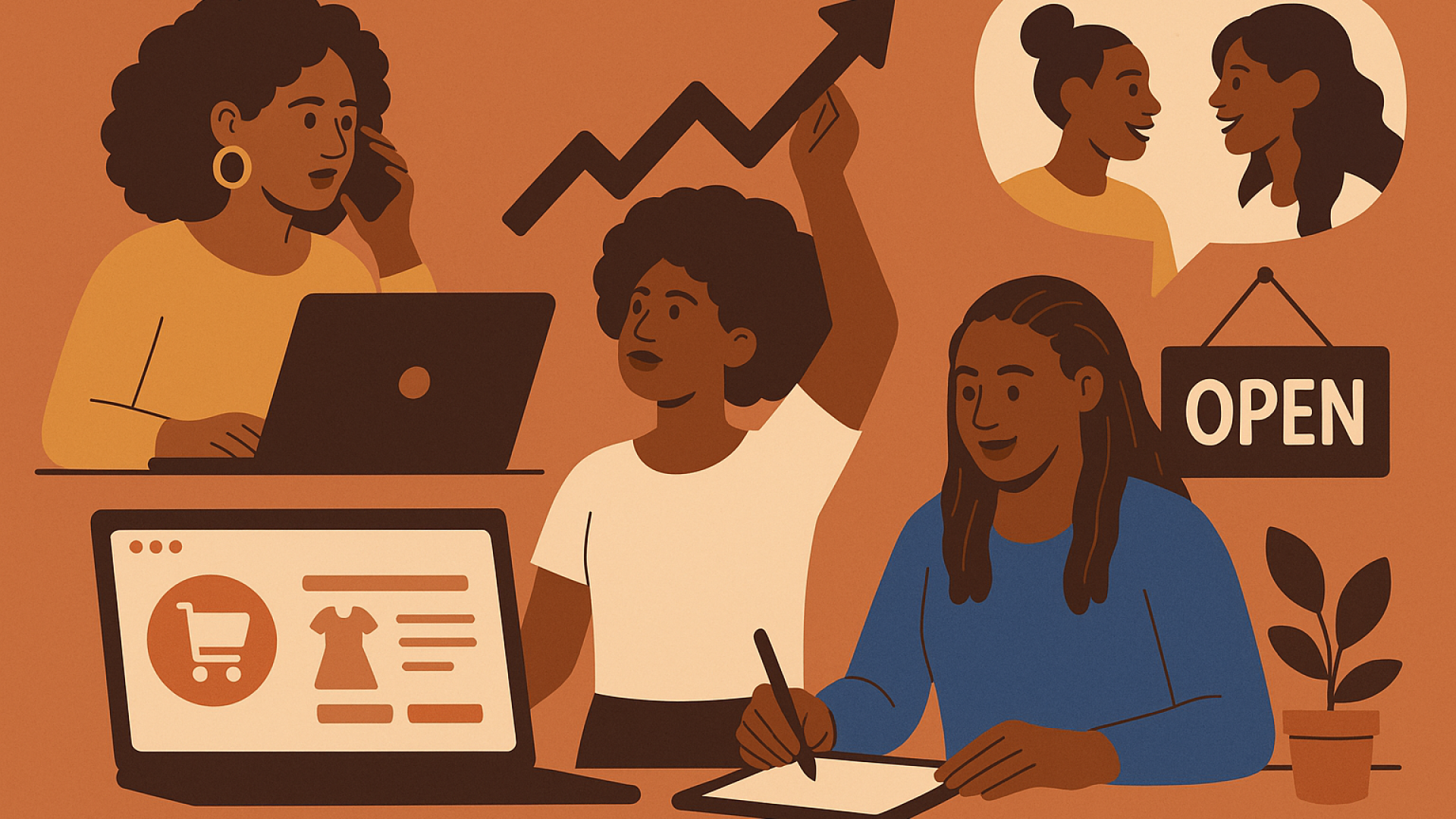
Entrepreneurship among Black women has surged to unprecedented levels, marking one of the most dynamic shifts in the American business landscape. According to reports from the National Association of Women Business Owners (NAWBO) and other organizations tracking business ownership trends, Black women are starting new businesses at rates higher than any other demographic group. This surge is characterized by remarkable diversity in industry sectors, innovative business models, and a strong emphasis on community impact and social responsibility.
- Diverse Industries: Black women entrepreneurs are making their mark across a wide spectrum of industries, including technology startups, digital marketing agencies, health and wellness enterprises, sustainable fashion brands, beauty and skincare lines, food and beverage businesses, and professional services. This diversity reflects both the broad skill sets of these entrepreneurs and their ability to identify and capitalize on emerging market opportunities.
- Community-Centered Models: Many new ventures emphasize social responsibility, community upliftment, and economic empowerment. These businesses often adopt holistic approaches that extend beyond profit generation to include initiatives such as job creation within underserved communities, mentorship programs, and partnerships with local organizations. This community-centered focus helps foster economic resilience and social cohesion.
- Use of Technology: Leveraging digital platforms, social media, and e-commerce, Black women entrepreneurs are reaching broader markets and building scalable businesses with relatively low overhead costs. The adept use of technology enables them to compete effectively in the global marketplace, innovate rapidly, and maintain flexibility in operations.
This entrepreneurial wave is not only creating jobs and wealth but also fostering innovation and resilience within Black communities nationwide. It is redefining what it means to be a business owner and leader in the 21st century.
Challenges Faced by Black Women Entrepreneurs
Despite the promising growth and enthusiasm, Black women entrepreneurs continue to face significant and multifaceted challenges that can impede their business development and sustainability. One of the most critical barriers is access to capital. Many Black women struggle to secure funding from traditional financial institutions due to systemic biases in lending practices, lack of collateral, and limited credit histories. Investor networks often remain exclusive, limiting opportunities for scaling businesses.
In addition to financial hurdles, the lack of mentorship and professional networks tailored to the unique experiences of Black women can hinder business growth. Navigating complex regulatory environments, managing operational challenges, and balancing entrepreneurial responsibilities with personal and family obligations add further layers of difficulty.
Moreover, Black women entrepreneurs often face the dual pressures of combating stereotypes and overcoming societal expectations, which can affect confidence and access to opportunities. These challenges underscore the need for targeted support and systemic change to create a more equitable entrepreneurial ecosystem.
Solutions and Support Systems
Recognizing these challenges, various stakeholders—including government agencies, philanthropic organizations, venture capital firms, and community groups—have mobilized to support Black women entrepreneurs through a range of initiatives designed to bridge gaps and foster growth.
- Targeted Funding Programs: Specialized venture capital funds, grants, and loan programs have been launched specifically aimed at Black women-led startups. These initiatives seek to address the capital gap by providing accessible financial resources and investment opportunities that were previously limited.
- Mentorship and Networking: Dedicated mentorship programs and professional networks offer guidance, resources, and connections essential for business development. These platforms facilitate knowledge sharing, peer support, and access to industry experts, helping entrepreneurs navigate challenges and seize opportunities.
- Educational Resources: Workshops, online courses, incubator and accelerator programs focus on enhancing critical business skills such as financial literacy, marketing strategies, digital technology adoption, and leadership development. These resources empower entrepreneurs to build sustainable and competitive businesses.
- Policy Advocacy: Advocacy groups are actively pushing for policies that promote equitable access to capital, procurement opportunities, and anti-discrimination protections in business environments. Efforts include lobbying for supplier diversity mandates, tax incentives, and regulatory reforms that support minority-owned businesses.
Collectively, these efforts are gradually creating a more supportive and inclusive ecosystem that empowers Black women entrepreneurs to thrive and scale their ventures.
Broader Economic and Social Implications
The rise of Black women entrepreneurs carries significant implications that extend beyond individual success stories. Economically, this trend contributes to job creation, innovation, and diversification of the marketplace. Black women-owned businesses inject fresh ideas, products, and services into the economy, stimulating competition and growth.
Socially, the surge challenges pervasive stereotypes and promotes greater representation of Black women in leadership and business ownership roles. This visibility fosters empowerment and inspires future generations to pursue entrepreneurial ambitions.
Moreover, as these businesses grow, they often reinvest in their communities by supporting local development initiatives, education programs, and social services. This cyclical impact helps address systemic inequities, promotes inclusive economic growth, and strengthens community resilience.
Looking Ahead: Sustaining Momentum
To sustain and amplify this momentum, a multi-faceted and collaborative approach is essential. Continued investment in capital access, education, mentorship, and technology adoption must be prioritized to ensure that Black women entrepreneurs have the tools and resources needed for long-term success.
Corporations can also play a pivotal role by partnering with Black women-owned businesses through supplier diversity programs, joint ventures, and mentorship opportunities. Such partnerships not only provide economic benefits but also promote inclusive corporate cultures.
Furthermore, amplifying the narratives of successful Black women entrepreneurs through media representation, awards, and public recognition is crucial. Celebrating these stories helps shift public perceptions, dismantle biases, and inspire future entrepreneurs.
Policymakers, investors, and community leaders must continue to collaborate to build an ecosystem that supports innovation, equity, and sustainable growth for Black women entrepreneurs.
Conclusion
The unprecedented rise of Black women entrepreneurs following their departure from corporate jobs marks a transformative moment in the American economic landscape. This trend reflects a broader quest for autonomy, equity, and meaningful impact in professional and community spheres. While challenges remain, the growing ecosystem of support, coupled with the resilience and ingenuity of these entrepreneurs, signals a promising future.
As society continues to evolve, embracing and investing in the potential of Black women-led businesses will be crucial for fostering innovation, economic justice, and inclusive prosperity. The surge of Black women entrepreneurs is not just a business phenomenon—it is a powerful movement reshaping the fabric of American entrepreneurship and paving the way for a more equitable and dynamic economy.